 Prescription
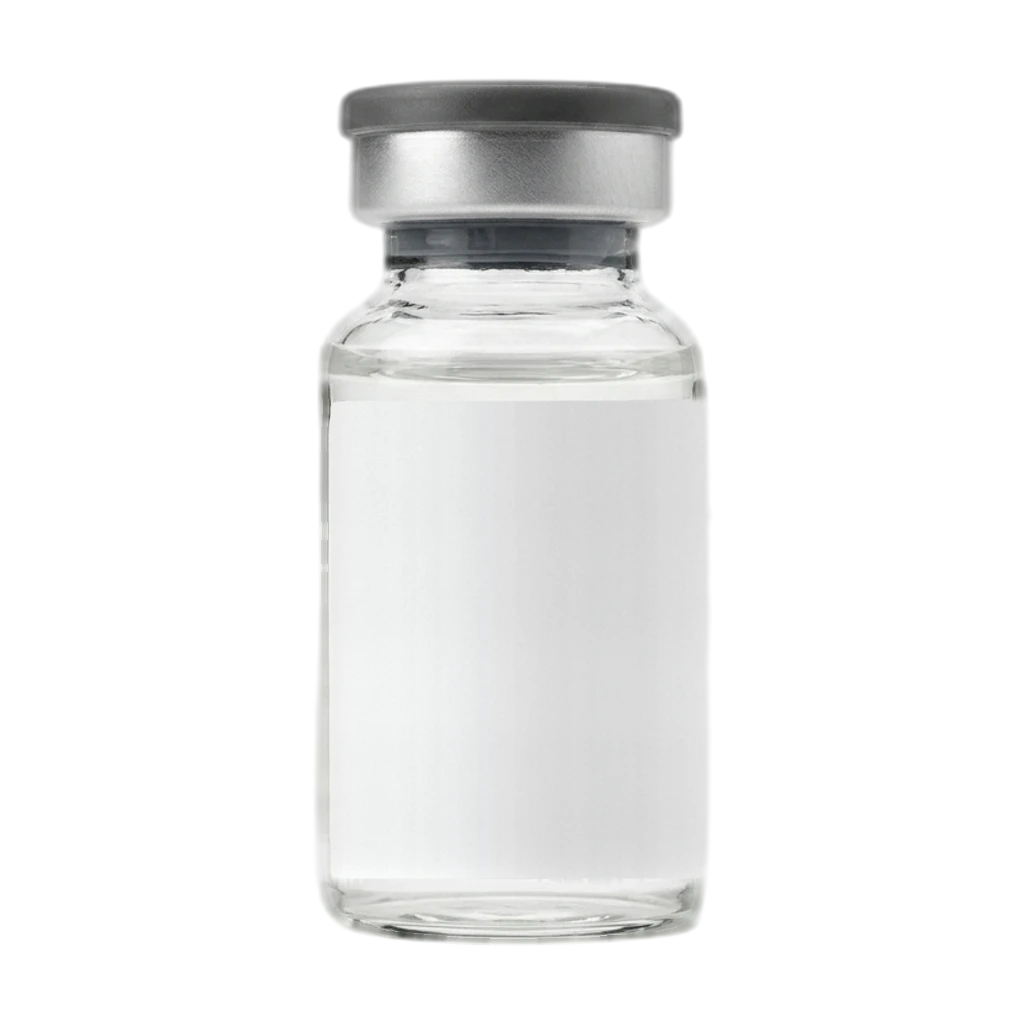
 Prescription RequiredCompounded
MICC Injection
MICC is an intramuscular (IM) injection that combines four nutrients—methionine, inositol, choline, and vitamin B12 (cyanocobalamin)—to support a doctor-guided weight-management plan. These ingredients help your body break down fats and carbohydrates more efficiently, convert food into usable energy, and may lessen workout recovery time. MICC works best when paired with healthy eating, regular exercise, and follow-up visits with your healthcare provider.
Requires a valid prescription from your provider. Not sure if it's right for you? Ask a pharmacist.
These statements have not been evaluated by the Food and Drug Administration. Compounded products are not FDA-approved and are not intended to diagnose, treat, cure, or prevent any disease. Individual results may vary. This information is for educational purposes only and is not medical advice — always consult your healthcare provider before starting any new treatment.
Clinical information
Medication information for patients and providers.
Use as directed by your healthcare provider. They will tell you how much to inject and how often. If you miss a dose, take it as soon as you remember unless it is almost time for your next dose. Do not double up doses. Your provider will decide how long you should continue treatment.
Each ingredient supports metabolism in a different way. Methionine helps the liver process fats and sugars so they can be used for energy. Inositol improves how your cells respond to insulin, which can raise metabolic rate. Choline moves fat out of the liver and into the bloodstream where it can be burned for fuel, which may shorten muscle recovery time. Cyanocobalamin (vitamin B12) changes carbohydrates into glucose, boosting overall energy levels. Most patients notice better energy within a few days and gradual fat-loss support over several weeks when the injection is combined with diet and exercise. The metabolic benefits last about one week after each dose.
Do not use if you are allergic to methionine, inositol, choline, vitamin B12, or any injection components. Do not use if you have Leber’s disease (a rare eye disorder) because high-dose B12 can damage your optic nerve. Avoid use during pregnancy or breastfeeding unless your provider decides the benefits outweigh the risks. Not recommended for children under 18. Tell your provider if you have severe liver disease, chronic kidney disease, gout, or high homocysteine levels before starting this medication.
Tell your provider about all medicines and supplements you take. MICC may decrease the effect of levodopa used for Parkinson’s disease. Large amounts of vitamin B12 can lessen the response to certain antibiotics like chloramphenicol. Using choline with other cholinergic drugs (such as donepezil) can increase sweating or stomach cramps. Alcohol can lower B-vitamin levels and reduce benefits, so limit intake. Herbal weight-loss products or high-dose niacin may raise the risk of liver irritation when combined with MICC.
Very common (affects more than 1 in 10 people): mild pain, redness, or swelling at the injection site that usually resolves within 24 hours. Common (affects 1–10 in 100 people): headache, nausea, mild diarrhea, feeling jittery, or a brief metallic taste. Uncommon (affects 1–10 in 1,000 people): itching, rash, lightheadedness, or joint pain. Rare but serious: severe allergic reaction with hives, breathing trouble, or swelling of the face and throat; vision changes in people with Leber’s disease; high uric acid leading to a gout flare. Seek immediate medical help for serious reactions. Most mild side effects improve as your body adjusts or after the injection site heals.
Store in the original vial at room temperature between 68-77°F (20-25°C). Keep away from direct sunlight, heat sources, and excess moisture. Do not freeze. Keep the rubber stopper clean and always wipe with alcohol before drawing a dose. Once opened, use within 30 days. Keep out of reach of children. Dispose of unused or expired vials through a pharmacy take-back program or place in a sealed container with used needles according to local sharps disposal rules.
Frequently asked questions.
Your healthcare provider will set a schedule based on your weight-loss plan. Many patients receive one injection weekly, but this can vary. Follow the schedule your provider gives you for best results.
Most people notice a small boost in energy within a few days after the first dose because of the vitamin B12. Fat-loss support develops gradually over several weeks alongside diet and exercise.
Some providers allow home injections after teaching proper technique, dose measurement, and safe needle disposal. Never inject yourself until your healthcare provider has given clear instructions and watched you do a practice dose.
Mild soreness or redness is common and should fade within a day. Applying a cool compress for 10 minutes can help. If pain, swelling, or redness gets worse after 24 hours, contact your healthcare provider.
In most cases yes, but there are exceptions such as levodopa for Parkinson’s disease and certain antibiotics. Always show your full medication list—including vitamins and herbal products—to your provider before starting MICC.
Yes. MICC supports weight loss by helping your body process fat and carbs, but it will not replace healthy eating and regular physical activity. Combining all three gives the best chance for lasting results.
Place the vial back in its box, keep it at room temperature (68-77°F), and protect it from light. Make sure the cap is on tight and store it somewhere children cannot reach.
More in Weight Management
View all →Bring this to the bench.
Transfer an existing prescription, or have your prescriber send a new one.