
Pricing & Options
Sign in to see instant pricing
Available Strengths (2)·Most prescribed
Active Ingredients
Important Disclaimer
These statements have not been evaluated by the Food and Drug Administration (FDA). Compounded products are not FDA-approved and are not intended to diagnose, treat, cure, or prevent any disease. Individual results may vary. The information provided is for educational purposes only and should not be considered medical advice. Always consult with your healthcare provider before starting any new treatment.
Clinical Information
Evidence-based details for healthcare providers
A valid prescription from a DEA-registered prescriber is required.
Limited to 5 refills within 6 months of the original prescription date.
Subject to state and federal controlled substance regulations.
Use as directed by your healthcare provider. Apply a thin layer only to the area prescribed and rub in gently. Wash your hands after applying unless your hands are the treated area. If you miss a dose, apply it when you remember unless it is close to the next scheduled dose; do not apply extra to make up for a missed dose. Your healthcare provider will decide how often to use it and how long you should continue treatment.
This medication works by helping calm overactive pain signals in the nerves. Ketamine blocks NMDA receptors, which are like “on switches” that can keep nerve pain turned up too high. When used on the skin, it is meant to work mostly in the area where you apply it, which may reduce pain, burning, tingling, or sensitivity. Some people notice relief within 30 to 60 minutes, but it may take several days of regular use to get the best effect. How long it lasts can vary, but relief may last a few hours after each application.
Do not use if you are allergic to ketamine or any ingredient in the cream (can cause serious allergic reactions). Do not use on broken skin, open wounds, severe rash, or infected skin unless your prescriber tells you to, because this can increase absorption and side effects. Do not use if you are pregnant, trying to become pregnant, or breastfeeding unless your prescriber has specifically told you to, because safety is not well established. Do not use in children unless specifically prescribed by a pediatric specialist. Do not use if you have uncontrolled high blood pressure, serious heart disease, a history of psychosis, or severe liver disease unless your prescriber says it is safe, because ketamine absorbed into the body may worsen these conditions.
This medication may interact with medicines or substances that cause sleepiness. Major: opioids (such as oxycodone, hydrocodone), benzodiazepines (such as Xanax, Ativan, Valium), sleep medicines (such as Ambien), muscle relaxers (such as cyclobenzaprine), and alcohol can increase dizziness, confusion, slowed breathing, and falls—avoid alcohol and use caution with these medicines. Moderate: antidepressants and anxiety medicines that affect the brain (such as SSRIs/SNRIs, tricyclics, or antipsychotics) may increase side effects like confusion or changes in mood—tell your prescriber about all mental health medicines. Moderate: blood pressure or heart medicines may be affected if enough ketamine is absorbed—call your prescriber if you notice fast heartbeat, chest pain, or severe headache. Other topical products: using heat (heating pads), occlusive wraps, or other numbing creams on the same area may increase absorption—do not combine unless your prescriber tells you to. Herbal products: kava, valerian, kratom, and cannabis may increase sleepiness or dizziness—use caution and discuss with your prescriber.
Common (may affect up to 1 in 10 people): skin irritation where applied (redness, itching, dryness, burning), mild dizziness, sleepiness, or nausea. Less common (may affect up to 1 in 100 people): headache, blurred vision, feeling “spaced out,” mood changes, fast heartbeat, or higher blood pressure, especially if used on large areas or under tight covering. Rare but serious: severe allergic reaction (hives, swelling of face/lips/tongue, trouble breathing), severe confusion or hallucinations, chest pain, fainting, severe weakness, or severe skin rash—stop using and get emergency help for breathing problems, swelling, or severe mental changes. Most mild skin reactions improve after reducing use or stopping, but contact your prescriber if symptoms last more than a few days or are getting worse.
Store at room temperature (68-77 degrees F / 20-25 degrees C) unless your pharmacy label says otherwise. Keep the cream tightly closed and protect it from heat, moisture, and direct sunlight. Do not store in the bathroom or near a sink where it can get humid. Keep out of reach of children and pets. Do not use past the beyond-use date on the prescription label. Dispose of unused or expired medication through a pharmacy take-back program when available; if not available, ask your pharmacist for safe disposal instructions for compounded medications.
Frequently Asked Questions
What is ketamine compounded cream used for?
It is used for certain types of long-lasting pain, especially pain that feels like burning, tingling, or sensitivity from irritated nerves. Your prescriber chooses it when a topical medicine may help and when they want to limit whole-body side effects. Use it only for the condition and area your prescriber listed.
How do I apply the cream safely?
Apply a thin layer to the prescribed area and rub in gently. Wash your hands after applying unless your hands are being treated. Do not apply to broken skin, and do not cover with plastic wrap or use a heating pad unless your prescriber tells you to.
How soon will I feel relief and how long will it last?
Some people feel relief within 30 to 60 minutes, but others need several days of steady use. Relief may last a few hours after each use, but this can vary. If you do not notice any benefit after a fair trial, contact your prescriber.
Can this cream make me sleepy or affect my thinking?
Yes, especially if you use it on a large area, use it too often, cover it tightly, or also take medicines that cause sleepiness. Until you know how it affects you, avoid driving or doing tasks that require full alertness. Call your prescriber if you feel very confused, unusually anxious, or have hallucinations.
Can I drink alcohol while using ketamine cream?
It is best to avoid alcohol because it can increase dizziness, sleepiness, and poor coordination. Alcohol can also raise the risk of dangerous side effects if ketamine is absorbed into the body. If you drink, discuss safe limits with your prescriber.
What should I do if I get skin irritation?
Mild redness or burning can happen, especially when you first start. Stop using it and contact your prescriber if the reaction is strong, spreading, blistering, or not improving. Do not add other creams or steroids to the area unless your prescriber tells you to.
Is ketamine cream safe during pregnancy or breastfeeding?
Safety is not well established, and ketamine may be absorbed into the body. Tell your prescriber right away if you are pregnant, planning pregnancy, or breastfeeding. Do not use it unless your prescriber specifically says the benefits outweigh the risks.
Why does my compounded cream look or feel different from a previous refill?
Compounded medications are made to order and may use different bases depending on availability and your prescription. A different base can change how the cream feels and how fast it absorbs. If you notice a major change in effect or skin reaction, call your pharmacy or prescriber.
Related Products
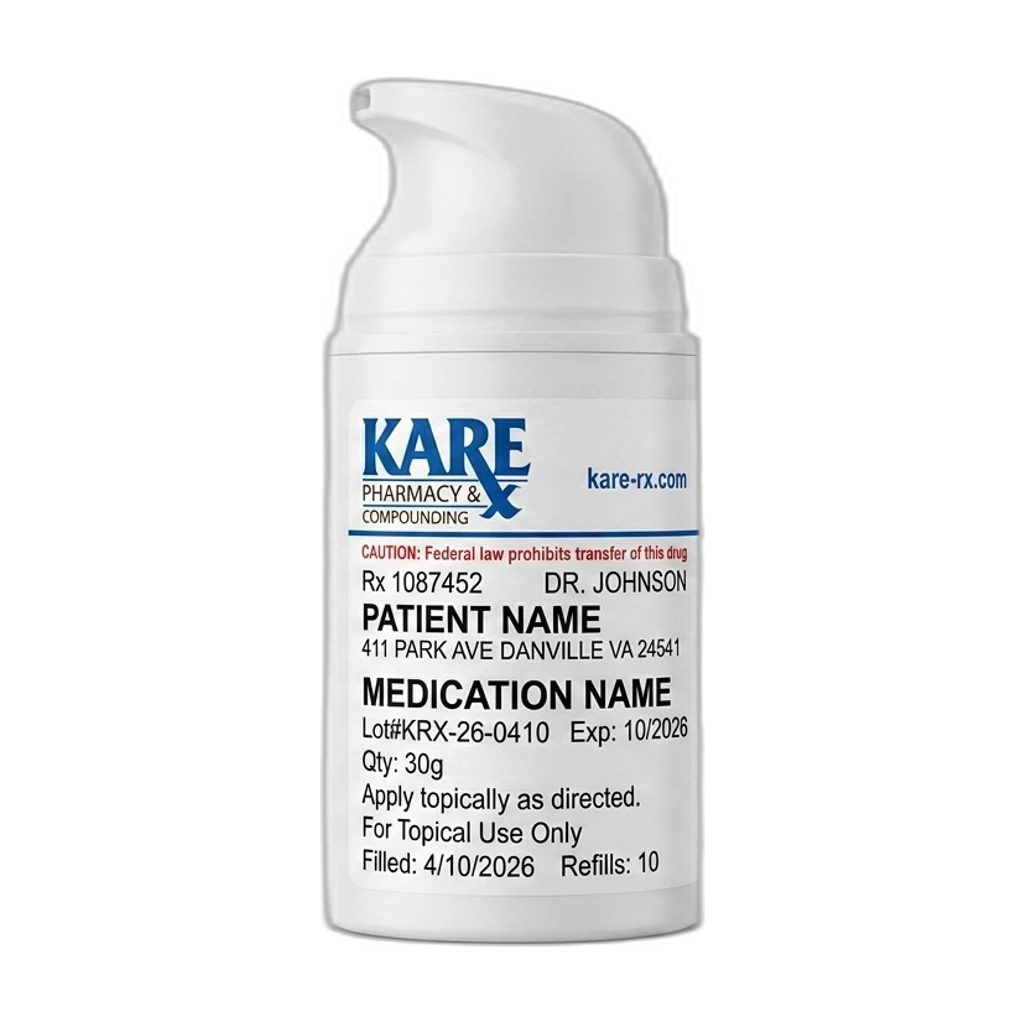
Ketamine | Ketoprofen | Gabapentin | Clonidine | Lidocaine Cream
This compounded cream combines five active drugs that work together to help ease nerve and muscle pain when applied to the skin. It is made for patients who have chronic pain that has not improved with single-drug treatments. Because the medicine stays mostly in the skin and tissues where it is applied, it may lower the chance of whole-body side effects seen with oral pain pills.
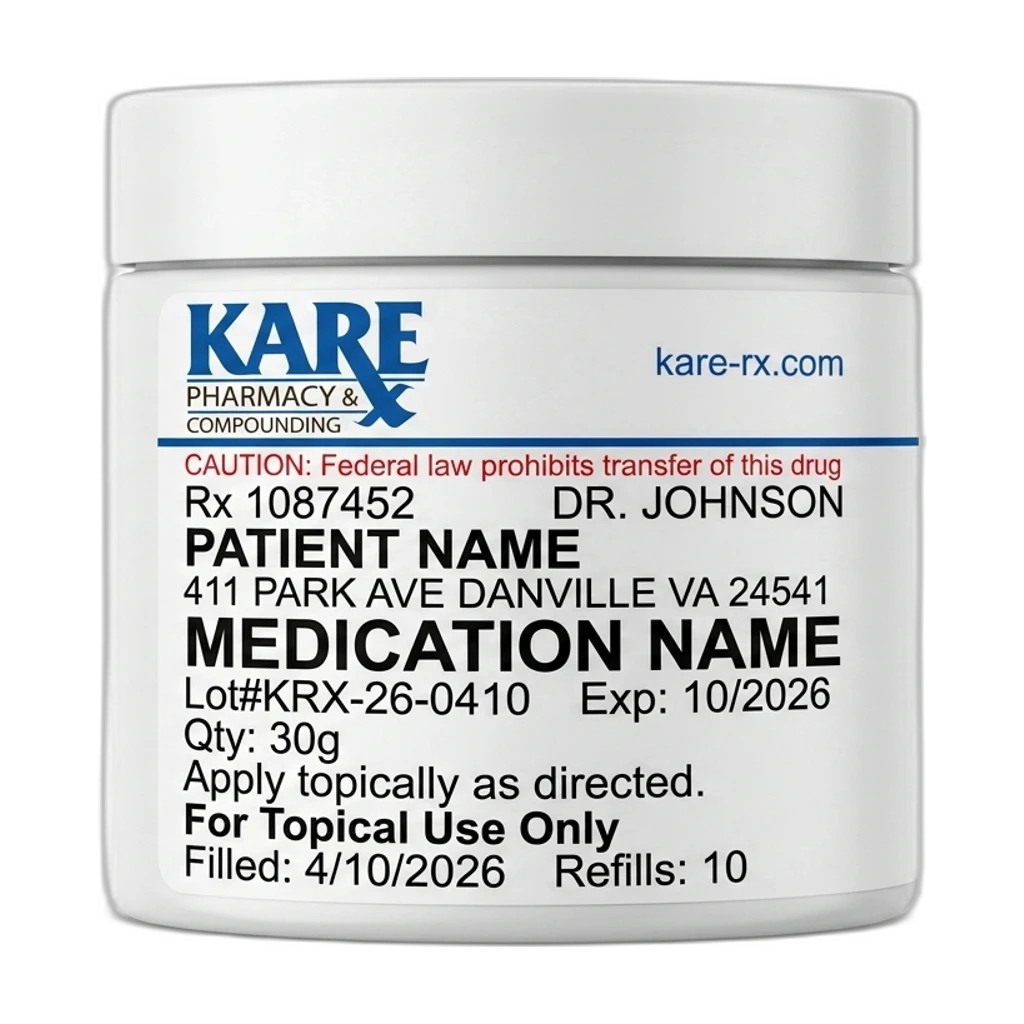
Diltiazem | Lidocaine Ointment
This compounded ointment combines diltiazem 2% and lidocaine 3% to ease pain and help healing in the anal area. Diltiazem relaxes the tight muscle around the anus, which can improve blood flow and reduce pressure on fissures or hemorrhoids. Lidocaine provides fast numbing relief so you feel less burning, itching, or pain while the area heals. Your healthcare provider may prescribe this ointment when over-the-counter treatments have not given enough relief.
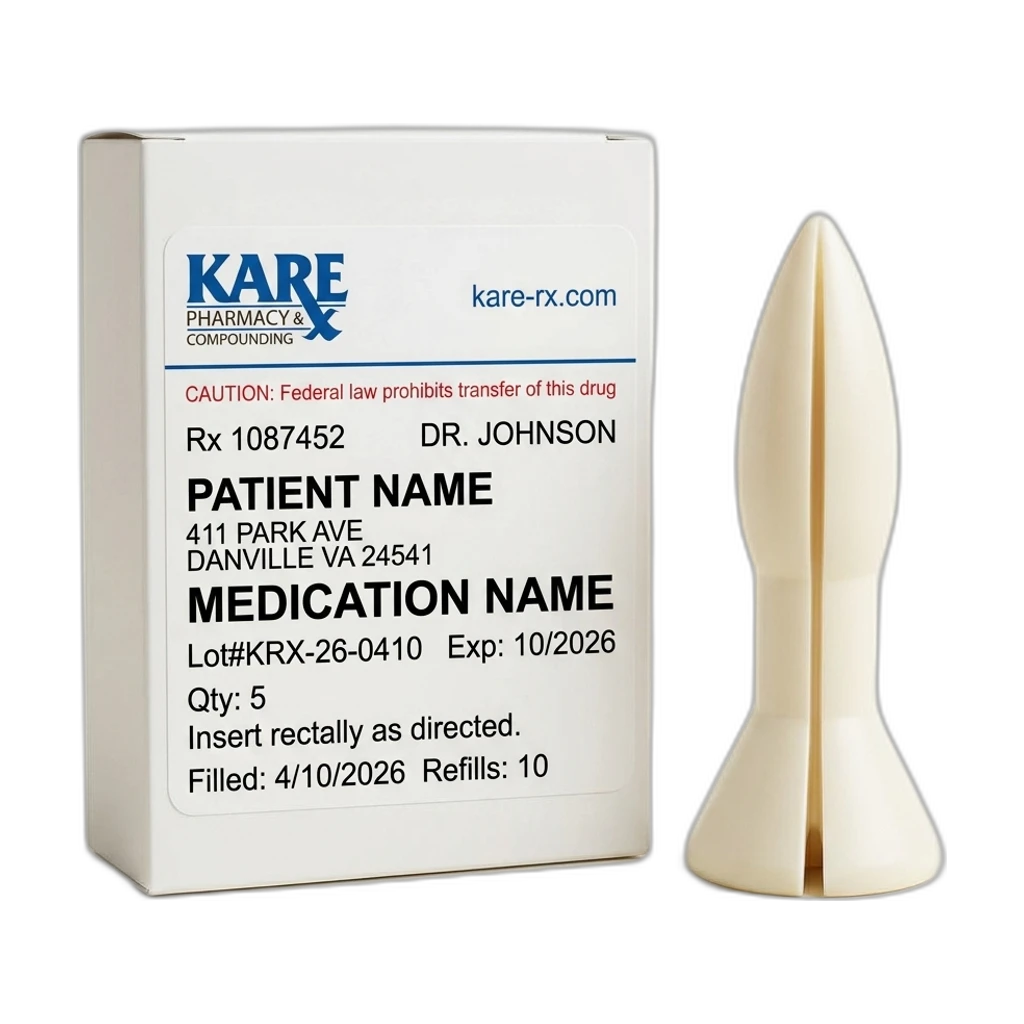
Hydrocortisone | Lidocaine | Nifedipine Rectal Rocket
This compounded suppository (often called a "rectal rocket") combines hydrocortisone 3%, lidocaine 2%, and nifedipine 0.3% to help ease pain, swelling, and itching caused by hemorrhoids or anal fissures. The special shape lets part of the suppository stay outside the anus while the rest sits inside, giving medicine to both internal and external areas at the same time. Your healthcare provider may choose this product when creams or over-the-counter treatments are not enough.
Gabapentin | Amitriptyline | Lidocaine Cream
Gabapentin, amitriptyline, and lidocaine transdermal cream is a compounded topical medication used for certain types of nerve-related pain on the skin. It is applied to a specific painful area to help reduce burning, tingling, and sensitivity. Because this is a compounded medication, it is made for an individual patient based on a prescriber’s order and is not FDA-approved as a combined product.