
Pricing & Options
Sign in to see instant pricing
Available Strength
Active Ingredients
Important Disclaimer
These statements have not been evaluated by the Food and Drug Administration (FDA). Compounded products are not FDA-approved and are not intended to diagnose, treat, cure, or prevent any disease. Individual results may vary. The information provided is for educational purposes only and should not be considered medical advice. Always consult with your healthcare provider before starting any new treatment.
Clinical Information
Evidence-based details for healthcare providers
A valid prescription from a DEA-registered prescriber is required.
Limited to 5 refills within 6 months of the original prescription date.
Subject to state and federal controlled substance regulations.
Use as directed by your healthcare provider. Apply a thin layer only to the area your prescriber told you to treat. Wash your hands before and after use unless your hands are the treatment area. Do not apply more often or use more than prescribed. If you miss an application, use it when you remember unless it is close to your next scheduled dose. Do not apply extra to make up for a missed dose.
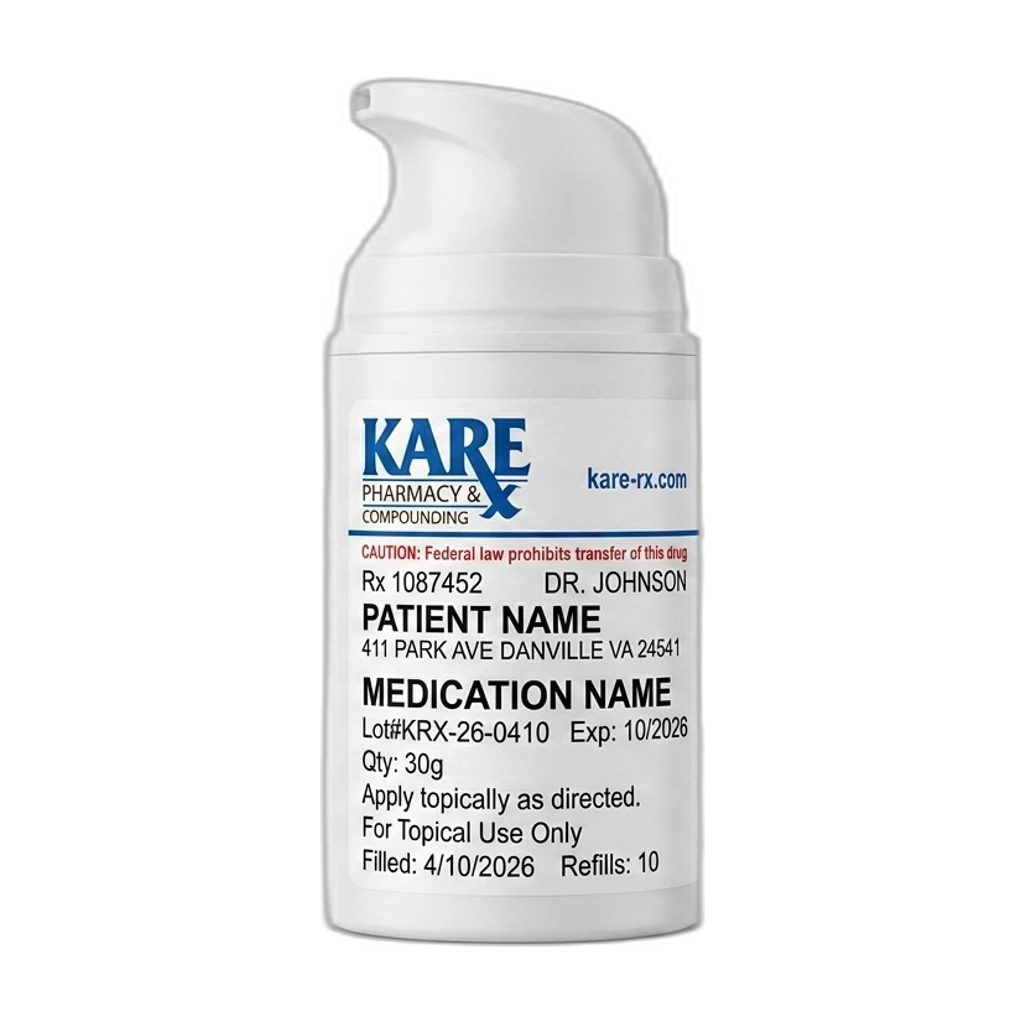
This compounded cream combines several medicines that may help lower pain signals in different ways. Lidocaine is a local numbing medicine that blocks sodium channels in nerve endings, which can reduce pain, burning, or sensitivity in the treated area and may start working within 30 minutes to a few hours. Baclofen helps relax overactive muscle and nerve signaling by acting on GABA-B receptors, while diazepam increases calming nerve signals through GABA-A receptors and may reduce muscle tightness or spasm if some of the medicine is absorbed through the skin. Gabapentin may help calm irritated nerves by reducing the release of certain pain-signaling chemicals through calcium channel effects. Because this is a topical compounded product, how fast it works and how long relief lasts can vary by person, skin site, and amount used. Some people notice early symptom relief within days, while fuller benefit may take 1 to 2 weeks of regular use as directed.
Do not use if you are allergic to diazepam, gabapentin, baclofen, lidocaine, other amide-type local anesthetics, or any ingredient in the base. Do not use on broken, infected, severely irritated, or burned skin unless your healthcare provider specifically told you to do so, because this can increase absorption and side effects. Do not use near the eyes, inside the mouth, or on large body areas unless specifically prescribed. Do not use if you are pregnant, planning pregnancy, or breastfeeding unless your prescriber decides the benefit outweighs the risk, because some ingredients may be absorbed and may affect the baby. Do not use in children unless specifically prescribed by a qualified clinician. Use extra caution or avoid use if you have severe liver disease, severe kidney disease, breathing problems, a seizure disorder, myasthenia gravis, glaucoma, or a history of substance misuse, because even topical use may rarely lead to meaningful body absorption.
This medication may interact with other medicines that cause sleepiness or slow breathing if enough is absorbed through the skin. Major interactions include opioids such as oxycodone, hydrocodone, morphine, or tramadol; benzodiazepines such as Xanax, Ativan, or clonazepam; sleep medicines such as zolpidem; muscle relaxers such as cyclobenzaprine or tizanidine; and alcohol. These combinations may raise the risk of extreme drowsiness, confusion, poor coordination, or slowed breathing. Moderate interactions may occur with seizure medicines, antidepressants, antipsychotics, antihistamines like diphenhydramine, and cannabis products because they may add to dizziness or sedation. Medicines that affect liver enzymes, such as certain antifungals or macrolide antibiotics, may change diazepam levels if systemic absorption occurs. Other numbing products containing lidocaine, prilocaine, or benzocaine may increase the risk of numbness, heart rhythm problems, or seizures if overused. Tell your healthcare provider and pharmacist about all prescription drugs, over-the-counter medicines, vitamins, herbal products, and alcohol or cannabis use before starting this product.
Common side effects at the application site may include mild burning, stinging, redness, itching, dryness, or temporary numbness. Some people may also have dizziness, drowsiness, blurred thinking, or unsteadiness if enough medication is absorbed, especially with large amounts, frequent use, or use on thin or damaged skin. These effects are more likely in older adults and usually improve after the medicine is reduced or stopped. Less common side effects may include rash, swelling, muscle weakness, headache, nausea, or changes in balance. Rare but serious reactions include allergic reaction with hives, facial swelling, or trouble breathing; severe sleepiness; confusion; slowed breathing; irregular heartbeat; seizure; or fainting. Stop use and get urgent medical help right away if any serious reaction happens.
Store at room temperature, ideally 68-77 degrees F (20-25 degrees C), unless your pharmacy label says otherwise. Keep tightly closed and protect from heat, moisture, and direct light. Do not store in the bathroom, near sinks, or in a hot car. Keep out of reach of children and pets. Because this compounded product contains diazepam, store it in a secure place to prevent misuse or accidental exposure. Do not freeze unless the pharmacy specifically instructs you to do so. Dispose of expired or unused medicine through a pharmacy take-back program when available, or follow your pharmacist's instructions for safe disposal.
Frequently Asked Questions
How do I apply this cream safely?
Apply a thin layer only to the area your prescriber told you to treat. Wash your hands before and after use, and keep the cream away from your eyes, mouth, and broken skin unless your clinician gave different instructions. Do not cover the area with a heating pad or tight bandage unless you were told to do so.
Can this cream make me sleepy even though it goes on the skin?
Yes. Even though it is topical, some medicine may still be absorbed into your body, especially if you use large amounts or apply it to damaged skin. If you feel sleepy, dizzy, confused, or unsteady, stop using it and contact your healthcare provider.
When should I expect it to start working?
Some people notice mild relief within hours to a few days, mainly from the lidocaine. Full benefit may take 1 to 2 weeks of regular use because the other ingredients may need time to calm irritated nerves and muscle tension.
Can I use this cream with pain pills or muscle relaxers?
Use caution. This cream may add to the effects of opioids, sleeping pills, anxiety medicines, alcohol, cannabis, and muscle relaxers, which can increase drowsiness and slow breathing. Tell your prescriber about everything you take before using this product.
What should I do if my skin gets irritated?
Mild redness or burning may happen at first and may improve as your skin adjusts. If you develop a strong rash, swelling, severe burning, blisters, or spreading irritation, stop using the cream and contact your healthcare provider right away.
Is this cream safe during pregnancy or breastfeeding?
Talk with your healthcare provider before using it. Some of the ingredients may be absorbed through the skin, and the risks during pregnancy or breastfeeding may not be fully known for this compounded combination. Your prescriber should decide if the expected benefit is worth the possible risk.
Can I put this on broken skin or use it after a hot shower?
Do not apply it to broken, infected, or badly irritated skin unless your prescriber specifically told you to. Heat, hot water, and damaged skin can increase how much medicine gets into your body and may raise the risk of side effects.
Why does the label say this is compounded?
Compounded means the pharmacy prepared this medicine for your specific prescription instead of using a mass-made commercial product. Compounded medicines are not FDA-approved as finished products, so it is important to use them exactly as directed and keep all follow-up visits with your provider.
Related Products
Ketoprofen | Gabapentin | Baclofen | Lidocaine Cream
A compounded topical cream that combines an anti-inflammatory drug (ketoprofen), two nerve and muscle pain modulators (gabapentin and baclofen), and a local anesthetic (lidocaine) to help relieve localized muscle, joint, and nerve pain without the need for high-dose oral medicines.
Shingles Relief Cream
This compounded cream combines gabapentin, ketoprofen, amitriptyline, lidocaine, and acyclovir to help ease the pain, burning, and itching that often come with shingles (herpes zoster). The blend targets nerve pain, reduces inflammation, numbs the skin, and delivers an antiviral effect right where the rash appears. It is made for topical use only and is not meant to treat shingles systemically. Always use exactly as prescribed by your healthcare provider.
Ketamine | Ketoprofen | Gabapentin | Clonidine | Lidocaine Cream
This compounded cream combines five active drugs that work together to help ease nerve and muscle pain when applied to the skin. It is made for patients who have chronic pain that has not improved with single-drug treatments. Because the medicine stays mostly in the skin and tissues where it is applied, it may lower the chance of whole-body side effects seen with oral pain pills.
Gabapentin | Amitriptyline | Lidocaine Cream
Gabapentin, amitriptyline, and lidocaine transdermal cream is a compounded topical medication used for certain types of nerve-related pain on the skin. It is applied to a specific painful area to help reduce burning, tingling, and sensitivity. Because this is a compounded medication, it is made for an individual patient based on a prescriber’s order and is not FDA-approved as a combined product.