 Prescription
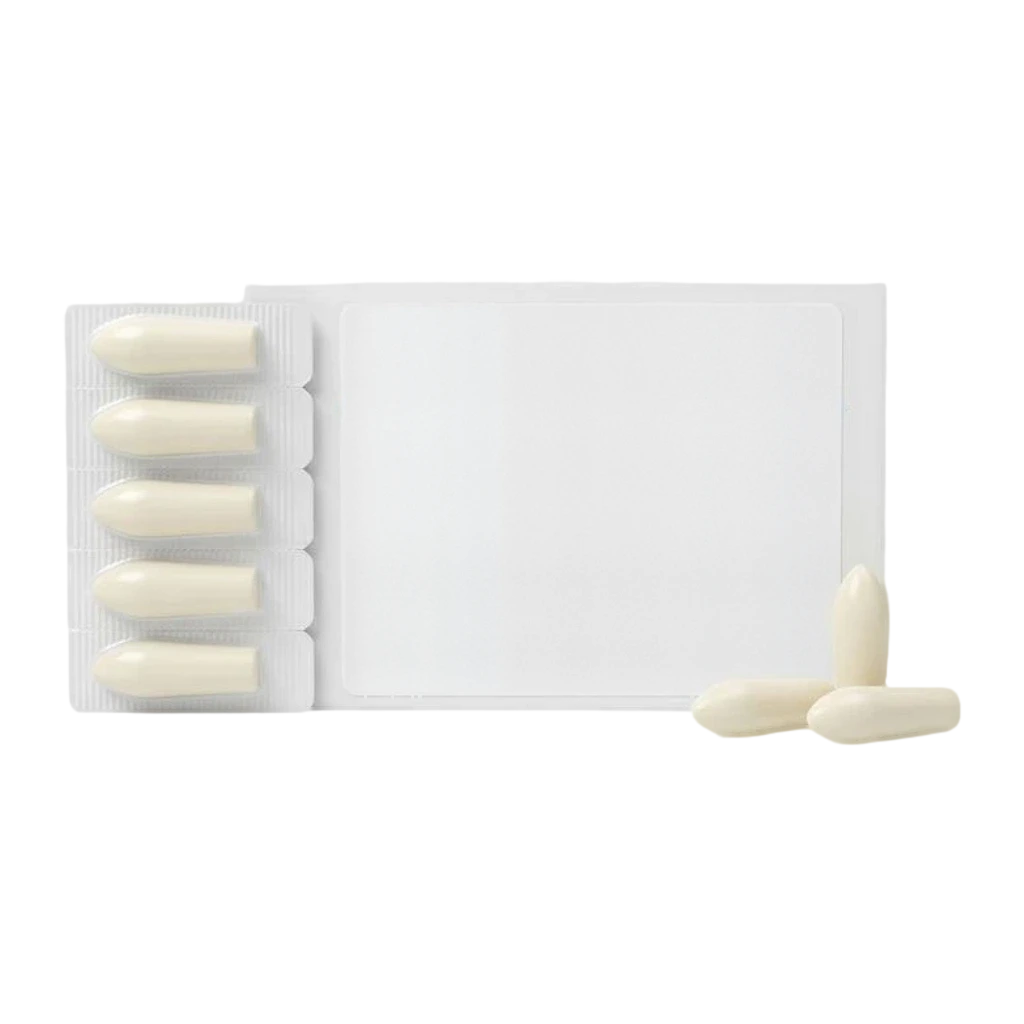
 Prescription RequiredCompounded
Hydrocortisone Suppository
Hydrocortisone is a corticosteroid prescribed for inflammation and irritation in the rectal area. This 3% rectal suppository provides local delivery of hydrocortisone.
Requires a valid prescription from your provider. Not sure if it's right for you? Ask a pharmacist.
These statements have not been evaluated by the Food and Drug Administration. Compounded products are not FDA-approved and are not intended to diagnose, treat, cure, or prevent any disease. Individual results may vary. This information is for educational purposes only and is not medical advice — always consult your healthcare provider before starting any new treatment.
Clinical information
Medication information for patients and providers.
Use as directed by the prescribing healthcare provider. If a dose is missed, use it when remembered unless it is close to the next scheduled dose. Do not use extra doses to make up for a missed dose. The prescriber will decide how often and how long this medication should be used.
Hydrocortisone is a corticosteroid that lowers inflammation in the tissue where it is placed. It reduces the release of chemicals in the body that cause swelling, redness, itching, and discomfort. Because this product is used rectally, it is intended to act mainly at the site of use, although some of the medicine can still be absorbed into the body. Some people notice relief of irritation within a short time, while fuller improvement in inflammation may take several days of regular use.
Do not use if allergic to hydrocortisone or any ingredient in the suppository. Do not use if there is a fungal, viral, or untreated bacterial infection in the rectal area, because corticosteroids can make infections harder to recognize and may allow them to worsen. Do not use in children unless specifically prescribed. Use during pregnancy or breastfeeding only when the prescriber has determined it is appropriate. Use caution in people with diabetes, weakened immune systems, stomach or intestinal ulcers, tuberculosis, or a history of steroid-related side effects, because even rectal hydrocortisone may be absorbed into the body.
This medication may interact with other corticosteroids, including prednisone or dexamethasone, which can increase the overall steroid effect and raise the risk of side effects. It may also interact with medicines that weaken the immune system, such as methotrexate, tacrolimus, or cyclosporine, which may increase infection risk. Blood thinners such as warfarin may require closer monitoring because steroids can change bleeding risk in some patients. Use caution with nonsteroidal anti-inflammatory drugs such as ibuprofen or naproxen, and with regular alcohol use, because the combination may raise the chance of stomach irritation or bleeding. Diabetes medicines, including insulin and metformin, may need closer monitoring because steroids can raise blood sugar.
Common: mild burning, irritation, dryness, or discomfort in the rectal area after use. Less common: skin thinning in the area, delayed healing, worsening irritation, or signs of a local yeast or bacterial infection. Rare but serious: allergic reaction with rash, swelling, trouble breathing, or severe dizziness; new or worsening infection; unusual tiredness; vision changes; swelling; or changes in blood sugar. Local mild effects may settle as the body adjusts, but serious symptoms need prompt medical attention.
Store in the refrigerator at 36-46 degrees F (2-8 degrees C). Keep in a tightly closed, light-resistant container and protect from heat, moisture, and direct light. Keep refrigerated after opening as well. Do not store in the bathroom or near sinks. Do not use after the beyond-use date printed on the label. Dispose of unused or expired medication through a pharmacy take-back program when available.
1. FDA Label: Hydrocortisone Acetate Suppositories Prescribing Information (DailyMed).
2. USP Monograph: Hydrocortisone.
3. American Society of Colon and Rectal Surgeons clinical practice guidance for hemorrhoids.
Frequently asked questions.
This medication is commonly prescribed for inflammation and irritation in the rectal area. Prescribers may use rectal hydrocortisone when local steroid treatment is needed.
Some symptoms such as irritation or discomfort may start to calm down within a short time after use. More complete improvement in inflammation may take several days of regular use.
Yes. Even though it is used rectally, a small amount can be absorbed into the bloodstream. The chance is usually higher with longer use, higher total exposure, or use in people who are more sensitive to steroids.
Watch for worsening pain, bleeding, severe irritation, signs of infection, or an allergic reaction such as swelling or trouble breathing. Also watch for body-wide steroid effects such as unusual swelling, vision changes, or changes in blood sugar if there are risk factors for those problems.
Hydrocortisone rectal products should be used during pregnancy or breastfeeding only when the prescriber decides the expected benefit outweighs the risk. This is especially important with repeated use or longer treatment courses.
It can. Important examples include other steroid medicines, blood thinners, diabetes medicines, and drugs that affect the immune system. Alcohol and pain relievers such as ibuprofen or naproxen may also increase stomach irritation risk in some people.
Related products
View all →
Bring this to the bench.
Transfer an existing prescription, or have your prescriber send a new one.