 Prescription
 Prescription RequiredCompounded
Nifedipine | Lidocaine | Hydrocortisone Cream
This compounded rectal cream combines nifedipine, lidocaine, and hydrocortisone to ease pain, itch, and swelling caused by anal fissures or hemorrhoids. Nifedipine relaxes the tight muscles around the anus to improve blood flow and speed healing. Lidocaine numbs the area for quick pain relief. Hydrocortisone lessens redness, swelling, and itching.
Requires a valid prescription from your provider. Not sure if it's right for you? Ask a pharmacist.
These statements have not been evaluated by the Food and Drug Administration. Compounded products are not FDA-approved and are not intended to diagnose, treat, cure, or prevent any disease. Individual results may vary. This information is for educational purposes only and is not medical advice — always consult your healthcare provider before starting any new treatment.
Clinical information
Medication information for patients and providers.
Use as directed by your healthcare provider. Apply a thin layer to the affected area using a gloved finger or applicator. Wash hands before and after use. If you miss a dose, apply it as soon as you remember unless it is almost time for your next dose. Do not apply extra amounts to make up for a missed dose.
Nifedipine blocks calcium channels in the tiny blood vessels and muscles around the anus. This relaxes the muscle, boosts blood flow, and helps the fissure heal. Lidocaine stops nerve signals that carry pain, giving relief within minutes; the numbing effect lasts 30-60 minutes. Hydrocortisone is a mild steroid that lowers inflammation and itching; it starts to calm the area within a few hours. With regular use, most people notice less pain in a few days, and fissures often heal within 2-4 weeks.
Do not use if you are allergic to nifedipine, other calcium channel blockers, lidocaine, hydrocortisone, or any ingredients in this cream. Do not use if you have a fungal, viral, or bacterial infection in the rectal area unless your provider is treating it. Do not use on broken skin that is actively bleeding or oozing pus. Avoid if you are pregnant or breastfeeding unless your provider says the benefits outweigh the risks. Not for use in children under 12 years without medical advice.
Because some nifedipine can enter the bloodstream, the cream may add to the effect of blood pressure medicines such as amlodipine, diltiazem, or beta-blockers, possibly causing dizziness or light-headedness. Using other local anesthetic products (like lidocaine patches) at the same time can raise the chance of numbness or irregular heartbeat. Steroid creams or suppositories used in the same area may increase skin thinning. Tell your provider about all prescription drugs, over-the-counter medicines, and herbal products, especially grapefruit products, blood pressure pills, and anti-seizure drugs like phenytoin.
Very common (more than 1 in 10 people): mild burning or warmth at the application site that usually fades within minutes. Common (1-10 in 100 people): itching, temporary redness, headache, light-headedness when standing up. Uncommon (1-10 in 1,000 people): low blood pressure, fainting, skin thinning or stretch marks with long-term use, allergic rash. Rare but serious: severe allergic reaction with swelling of face or throat, slow heart rate, or irregular heartbeat. If severe burning, rash, dizziness that does not go away, or trouble breathing occurs, stop using the cream and seek medical help right away.
Store tightly closed in the original container at room temperature, 68-77°F (20-25°C). Keep away from heat, moisture, and direct light; nifedipine breaks down in strong light. Do not freeze. Keep out of bathrooms and hot cars. Throw away any leftover or expired cream through a pharmacy take-back program or seal it in a plastic bag with coffee grounds before putting it in household trash.
Frequently asked questions.
The lidocaine starts to numb pain within minutes. Most people feel less pain after the first few applications. Complete healing of a fissure often takes 2–4 weeks of steady use.
Yes, but tell your provider. A small amount of nifedipine can enter your blood and may slightly lower blood pressure. Your provider may ask you to check your pressure more often, especially when you first start the cream.
A mild sting or warmth is common and usually goes away in a few minutes. If the pain is strong, lasts more than 15 minutes, or the skin looks very red or swollen, stop using the cream and call your healthcare provider.
Use only if your provider decides the benefits are greater than the risks. Limited data suggest low absorption, but nifedipine can affect blood pressure, and steroids may affect fetal growth if overused. Always discuss with your obstetrician before starting.
Small amounts of alcohol are generally fine, but drinking a lot can widen blood vessels and add to any light-headed feeling caused by nifedipine. If you notice dizziness after drinking, scale back or avoid alcohol.
Wash the applicator with warm soapy water after each use, rinse well, and let it air-dry. Make sure it is completely dry before storing it with the cap on to keep germs away.
More in Pain Management
View all →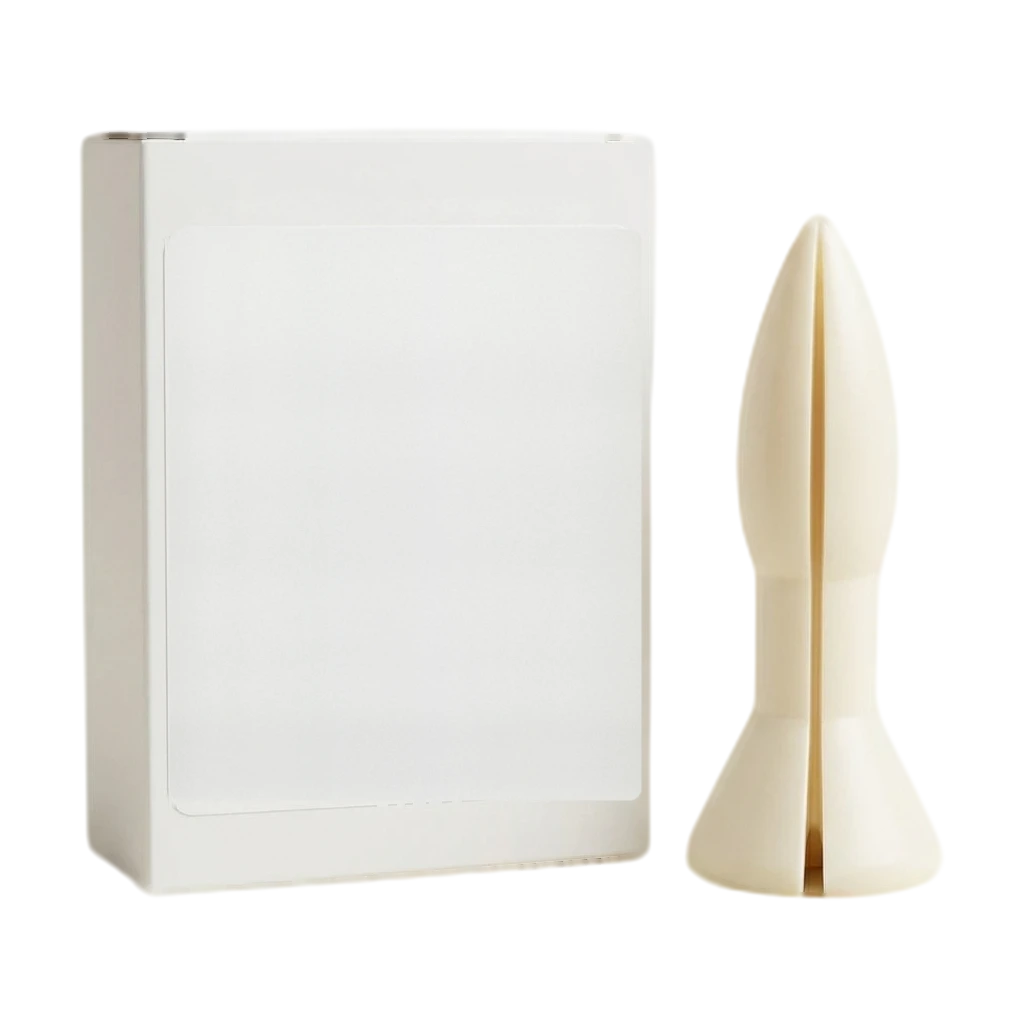
Bring this to the bench.
Transfer an existing prescription, or have your prescriber send a new one.