
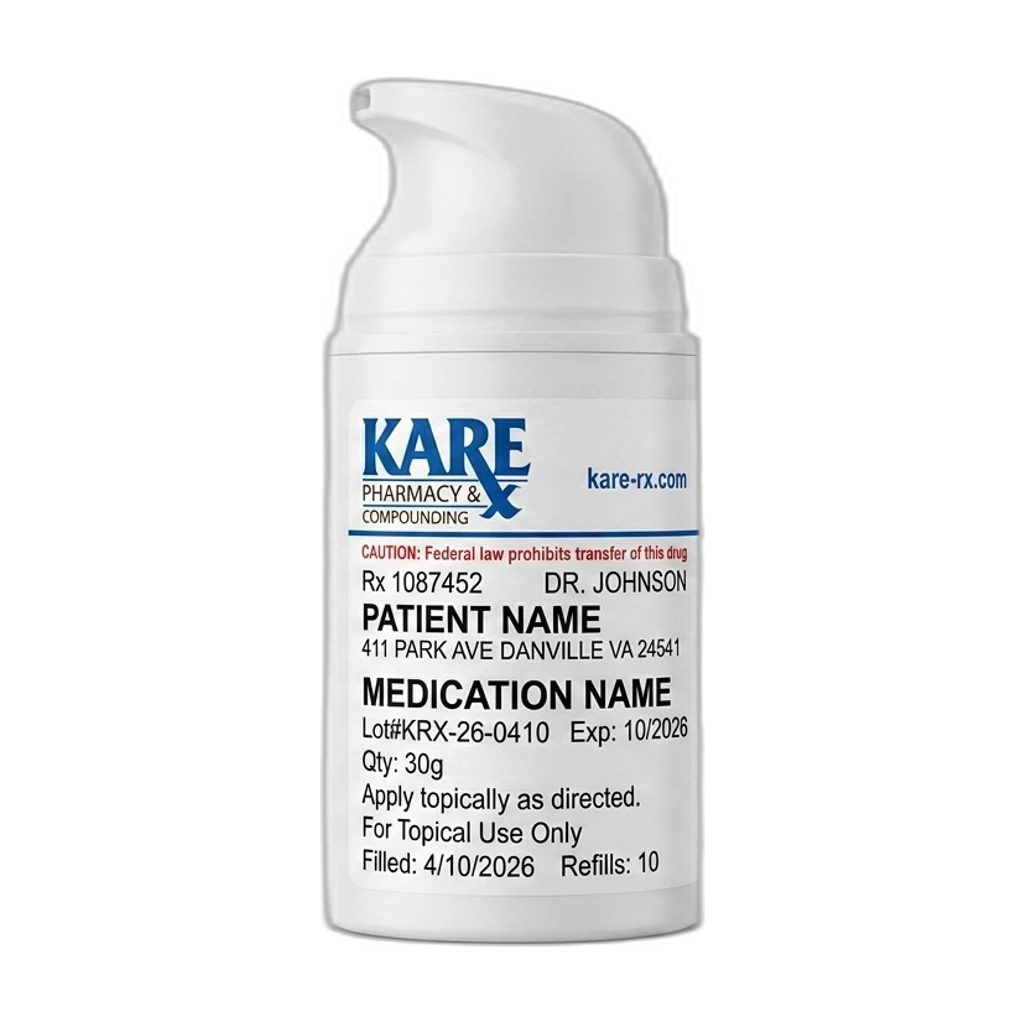
Pricing & Options
Sign in to see instant pricing
Available Strengths (3)·Most prescribed
Active Ingredients
Important Disclaimer
These statements have not been evaluated by the Food and Drug Administration (FDA). Compounded products are not FDA-approved and are not intended to diagnose, treat, cure, or prevent any disease. Individual results may vary. The information provided is for educational purposes only and should not be considered medical advice. Always consult with your healthcare provider before starting any new treatment.
Clinical Information
Evidence-based details for healthcare providers
Use as directed by your healthcare provider. Apply the measured amount to clean, dry skin (often inner forearm or thigh). If you miss a dose, apply it when you remember unless it is almost time for the next dose. Never apply two doses at the same time.
Estradiol is a form of estrogen that replaces the natural hormone your body makes less of after menopause. When you rub the cream on your skin, the medicine moves through the outer skin layers and enters the bloodstream. It binds to estrogen receptors in tissues like the brain, bones, and vagina. This helps reduce hot flashes and dryness within a few weeks. Many women notice improvement in 2–4 weeks, with full benefit in about 3 months. The effect lasts about 24 hours, so daily use keeps hormone levels steady.
Do not use if you are pregnant, planning to become pregnant, or breastfeeding (can harm the baby). Do not use if you have or had breast cancer, uterine cancer, or any estrogen-dependent tumor. Avoid if you have unexplained vaginal bleeding, blood-clotting disorders (like deep vein thrombosis), stroke, heart attack, or severe liver disease. Do not use if you are allergic to estradiol or any ingredient in this cream.
Estradiol may raise blood levels of drugs such as theophylline, cyclosporine, and corticosteroids. Some medicines like rifampin, carbamazepine, phenytoin, and St. John’s wort can lower estradiol levels and reduce its effect. Blood thinners (warfarin) may work differently when combined with estradiol, so your doctor may check your INR more often. Avoid applying other prescription or over-the-counter creams on the same spot within 1 hour, as this can change absorption.
Very common (affects more than 1 in 10): mild skin redness or itching at the application site. Common (1–10 in 100): breast tenderness, headache, nausea, mild swelling of hands or feet. Uncommon (1–10 in 1,000): mood changes, weight change, changes in menstrual bleeding, dark spots on skin. Rare but serious: blood clots in legs or lungs, stroke, heart attack, severe allergic reaction (rash, swelling of face). Most local skin reactions improve within a few days. Stop the cream and seek medical help right away if you notice leg pain or sudden shortness of breath.
Store at room temperature (68-77 °F / 20-25 °C). Keep the tube tightly closed and protect from heat, moisture, and direct light. Do not freeze. Keep out of reach of children and pets. Dispose of unused or expired cream through a pharmacy take-back program or mix with coffee grounds in a sealed bag before discarding in household trash.
Frequently Asked Questions
How long will it take before I feel better?
Many women notice fewer hot flashes and night sweats within 2 to 4 weeks. Full relief can take up to 3 months of daily use.
Where should I apply the cream?
Apply to clean, dry skin on a thin area like the inner forearm or inner thigh. Switch sides each day to avoid skin irritation, unless your provider tells you otherwise.
Can I shower or exercise after applying the cream?
Wait at least one hour before bathing, swimming, or heavy exercise to let the medicine absorb. Washing too soon can remove some of the dose.
What if I see spotting or bleeding?
Light spotting can happen, especially in the first few months. Tell your healthcare provider if bleeding is heavy, lasts more than a few days, or occurs after you have been period-free for a while.
Is the cream safe with my other medications?
Most medicines are fine, but some seizure drugs, antibiotics, or herbal products like St. John’s wort can lower estrogen levels. Always give your provider a full list of what you take so they can check for problems.
Can I drink alcohol while using estradiol cream?
Light to moderate alcohol is generally acceptable, but heavy drinking can raise the risk of liver problems and hormone changes. If you drink, do so in moderation and talk with your provider if you have concerns.
Related Products
Bi-Est (80/20) Cream
Bi-Est Cream is a compounded hormonal therapy cream used for hormone replacement in women experiencing menopause symptoms. It contains a blend of two estrogens, estradiol and estriol, which help alleviate symptoms like hot flashes and vaginal dryness.
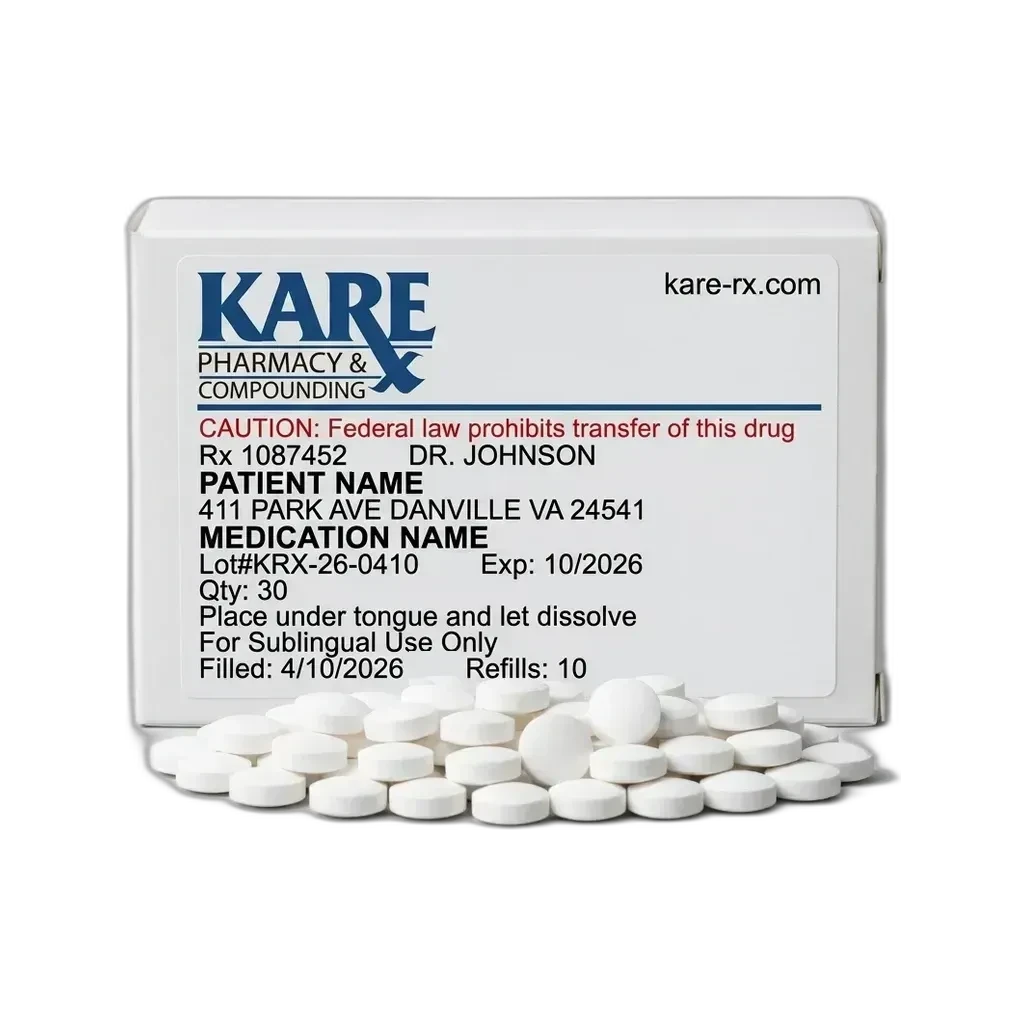
Bi-Est (80/20) Rapid Dissolving Tablet (RDT)
Biest Rapid Dissolving Tablet combines estradiol and estriol in an 80/20 ratio for hormone replacement therapy to manage symptoms of menopause such as hot flashes and vaginal dryness.
Estradiol Rapid Dissolve Tablets
Estradiol Rapid Dissolve Tablets supply bio-identical estrogen to ease common menopause symptoms like hot flashes, night sweats, mood swings, and vaginal dryness. The quick-dissolve design melts on your tongue without water, making daily dosing simple and comfortable.
Bi-Est (50/50) Cream
This compounded cream contains equal parts estradiol and estriol, two forms of estrogen. It is applied to the skin to help relieve symptoms of low estrogen such as hot flashes, night sweats, and vaginal dryness. Because this is a compounded medication, it is prepared by a licensed pharmacy for your individual needs and is not reviewed by the FDA for safety or effectiveness.