
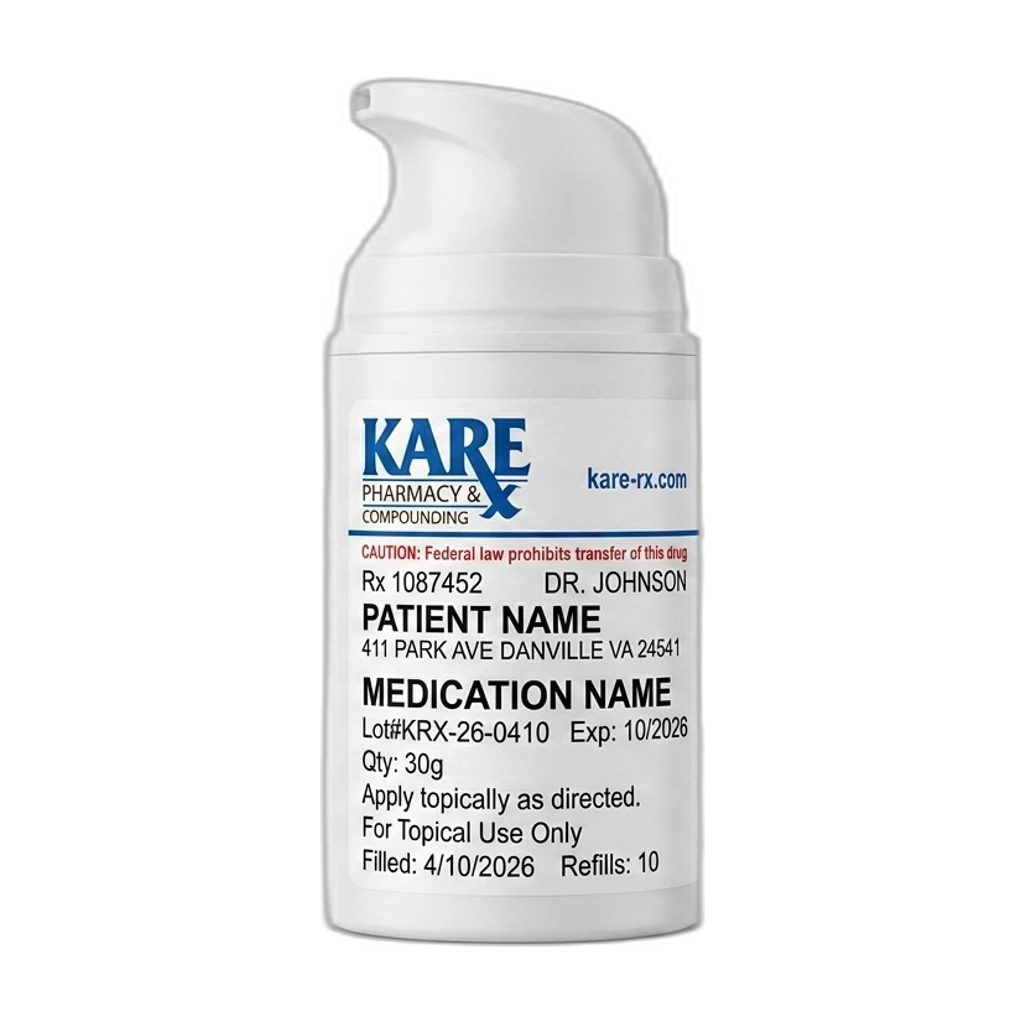
Pricing & Options
Sign in to see instant pricing
Available Strength
Active Ingredients
Important Disclaimer
These statements have not been evaluated by the Food and Drug Administration (FDA). Compounded products are not FDA-approved and are not intended to diagnose, treat, cure, or prevent any disease. Individual results may vary. The information provided is for educational purposes only and should not be considered medical advice. Always consult with your healthcare provider before starting any new treatment.
Clinical Information
Evidence-based details for healthcare providers
Use as directed by your healthcare provider. Apply a small amount to the affected area using clean hands or as instructed. Wash your hands before and after use unless your hands are the treated area. If you miss an application, use it when you remember unless it is close to your next scheduled dose. Do not apply extra to make up for a missed dose. Your healthcare provider will decide how often to use it and how long treatment should continue.
This medication works in two ways. Diltiazem helps relax smooth muscle in the anal area by blocking calcium from entering muscle cells. This can lower pressure, improve blood flow to the area, and support healing. Lidocaine works by blocking pain signals in local nerves, which causes temporary numbness and can reduce burning and pain soon after application. Lidocaine may start to help within minutes and its numbing effect often lasts 1 to 2 hours. Diltiazem usually takes longer to provide its full benefit, and patients may notice gradual improvement in pain and healing over several days to a few weeks with regular use.
Do not use if you are allergic to diltiazem, lidocaine, other local numbing medicines of the amide type, or any ingredient in the cream. Do not use on badly damaged, infected, or severely inflamed skin unless your healthcare provider tells you to, because this may increase absorption and side effects. Do not use in children unless specifically prescribed by a healthcare provider. Do not use if you have a history of serious heart rhythm problems, very low blood pressure, or severe heart failure without first discussing it with your prescriber, because some diltiazem may be absorbed through the skin. Do not use if you have a known condition that increases risk from lidocaine, such as severe liver disease, unless your healthcare provider decides it is appropriate. Tell your provider if you are pregnant, planning pregnancy, or breastfeeding before use, so the risks and benefits can be reviewed.
This medication may interact with other medicines, although the risk is lower than with medicines taken by mouth because topical absorption is usually limited. Moderate interaction risk: other heart or blood pressure medicines such as beta blockers (like metoprolol or atenolol), digoxin, or other calcium channel blockers may increase the chance of low blood pressure, slow heart rate, or dizziness if enough diltiazem is absorbed. Moderate interaction risk: antiarrhythmics such as amiodarone may increase heart-related side effects. Moderate to serious interaction risk: other products that contain lidocaine or numbing medicines, including patches, gels, dental products, or hemorrhoid products, may raise the risk of lidocaine toxicity. Serious interaction risk: medicines that affect liver breakdown of lidocaine, such as certain antibiotics, antifungals, or heart rhythm drugs, may increase side effects in sensitive patients. Alcohol does not directly interact with the cream, but it may worsen dizziness in some people. Tell your healthcare provider and pharmacist about all prescription drugs, over-the-counter products, vitamins, and supplements you use before starting this medication.
Common side effects include mild burning, stinging, itching, redness, or skin irritation where the cream is applied. These effects are usually temporary and often improve as the area heals. Less common side effects may include headache, dizziness, lightheadedness, or mild swelling. Rare but serious side effects can happen if too much medicine is absorbed, especially on broken skin or with excessive use. These may include fainting, slow heartbeat, low blood pressure, chest discomfort, severe rash, trouble breathing, swelling of the face or throat, severe drowsiness, confusion, ringing in the ears, tremors, or seizures. Stop using the cream and get urgent medical help right away if you have signs of an allergic reaction or serious nervous system or heart symptoms.
Store at room temperature, ideally 68-77 degrees F (20-25 degrees C), unless your pharmacist gives different instructions for this compounded product. Keep the container tightly closed and protect it from heat, moisture, and direct sunlight. Do not store in the bathroom, near sinks, or in a hot car. Keep out of reach of children and pets. Do not freeze unless the pharmacy label specifically says it is allowed. Because this is a compounded medication, use it only until the beyond-use date on the pharmacy label. Dispose of unused or expired cream through a pharmacy take-back program when available, or follow your pharmacist's disposal instructions.
Frequently Asked Questions
What is this cream used for?
This compounded cream is often prescribed to help with pain and muscle tightness in the anal area, such as with an anal fissure. Diltiazem helps relax the muscle, and lidocaine helps numb the area for temporary pain relief.
How quickly will I feel relief?
The lidocaine part may start to reduce pain within minutes after you apply it. The diltiazem part usually works more slowly, and you may need several days to a few weeks of regular use to notice better healing and less spasm.
How should I apply this cream?
Use it exactly as your healthcare provider prescribed. Apply only a small amount to the affected area with clean hands or as instructed by your provider, and wash your hands after applying unless your hands are the treatment area.
What if the cream causes burning or irritation?
Mild burning or stinging can happen when you first start using it, especially if the skin is irritated. If the reaction is severe, gets worse, or you notice a rash, swelling, or trouble breathing, stop using it and contact your healthcare provider right away.
Can I use this cream with hemorrhoid products or numbing creams?
Do not add other rectal or numbing products unless your healthcare provider says it is safe. Using multiple products with lidocaine or similar ingredients can increase the risk of side effects.
Can I use this if I have heart problems or take blood pressure medicine?
Tell your healthcare provider before use if you have heart rhythm problems, low blood pressure, heart failure, or take medicines such as beta blockers, digoxin, or diltiazem by mouth. Even though this is a cream, a small amount may be absorbed and could increase dizziness or heart-related side effects in some people.
Is this safe during pregnancy or breastfeeding?
Tell your healthcare provider if you are pregnant, planning to become pregnant, or breastfeeding before using this medication. Your provider can help decide if the expected benefit is greater than any possible risk.
How long can I use this compounded cream?
Use it only for the length of time your healthcare provider recommends. If your symptoms are not improving, or if they come back after treatment, contact your provider for follow-up rather than continuing on your own.
Related Products
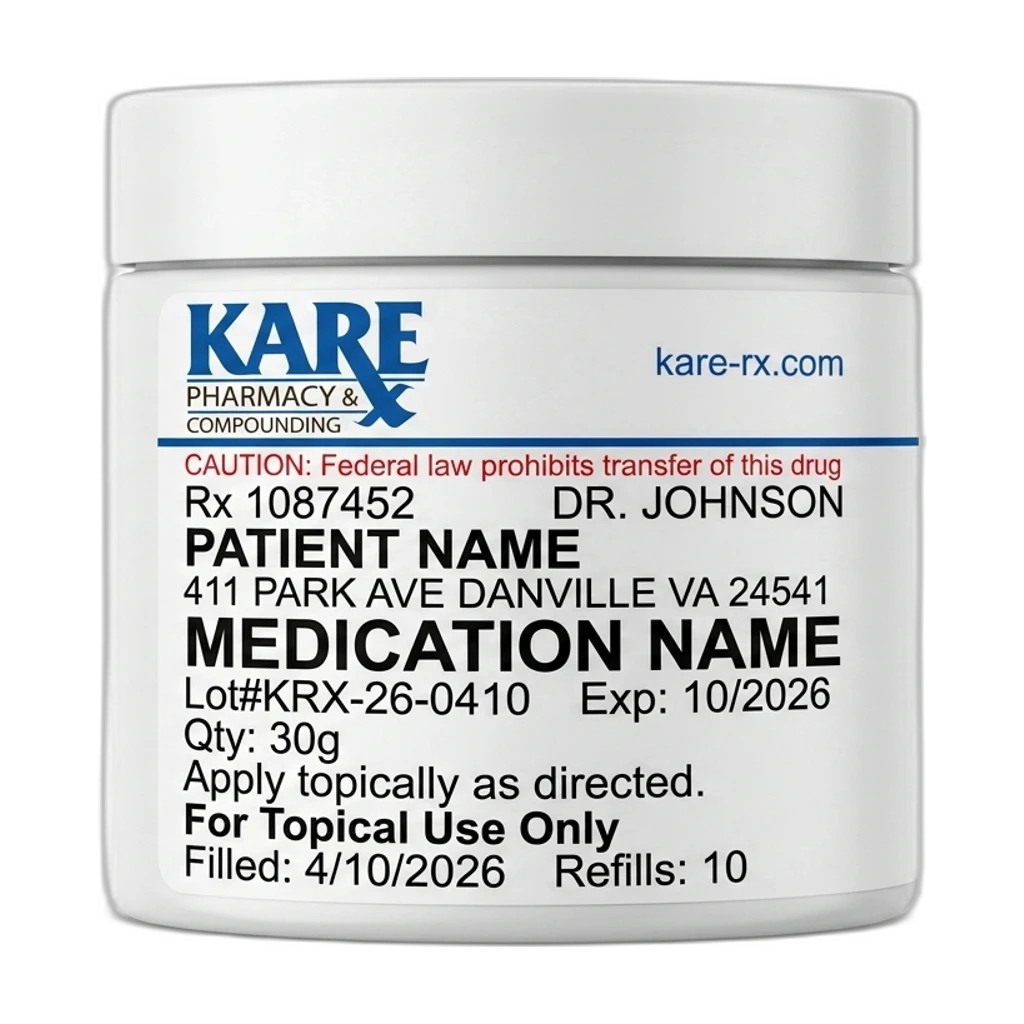
Diltiazem | Lidocaine Ointment
This compounded ointment combines diltiazem 2% and lidocaine 3% to ease pain and help healing in the anal area. Diltiazem relaxes the tight muscle around the anus, which can improve blood flow and reduce pressure on fissures or hemorrhoids. Lidocaine provides fast numbing relief so you feel less burning, itching, or pain while the area heals. Your healthcare provider may prescribe this ointment when over-the-counter treatments have not given enough relief.
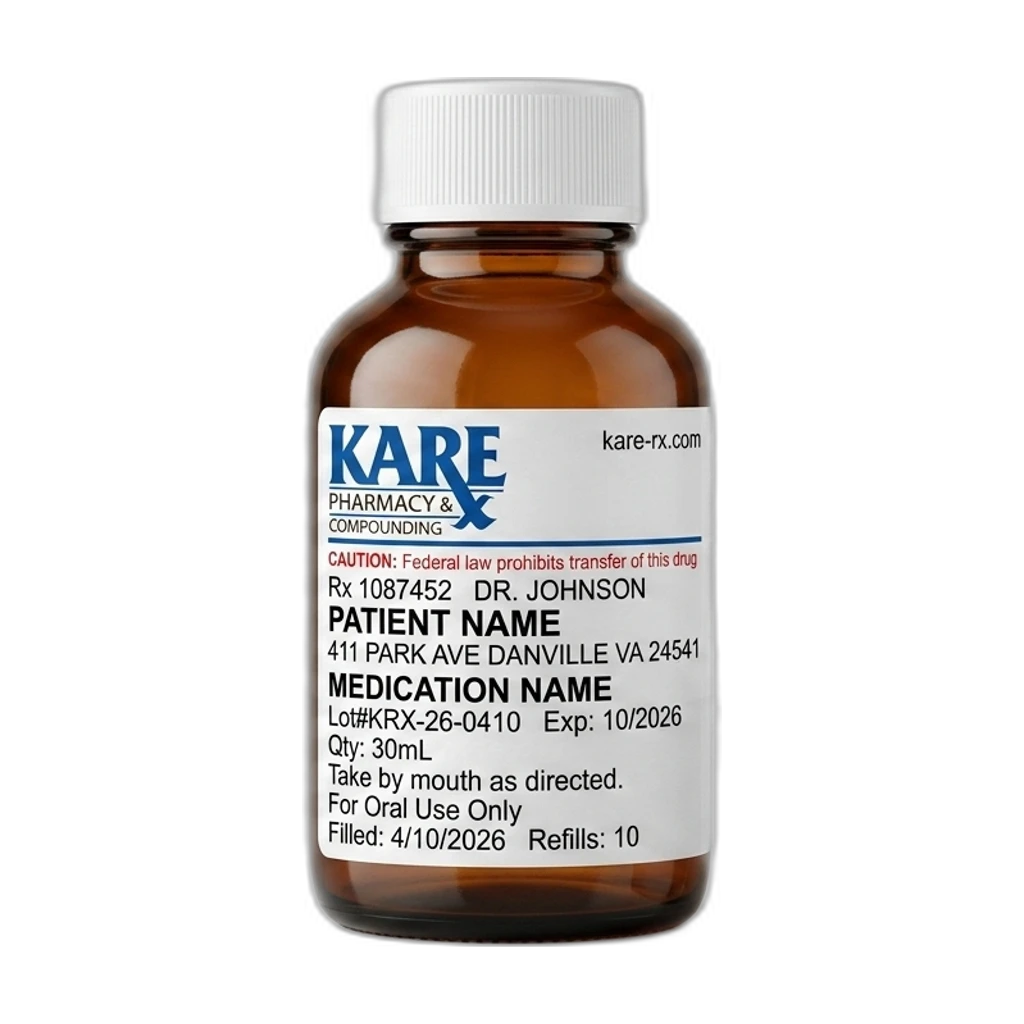
Magic Mouthwash
This compounded mouthwash, often called “magic mouthwash,” helps ease pain, fight infection, and reduce swelling inside the mouth. Nystatin targets yeast and other fungi, lidocaine numbs sore areas, and diphenhydramine calms irritation. It is commonly used for mouth sores caused by chemotherapy, radiation, braces, or other conditions. Your prescriber customizes the exact formula and how long you should use it.
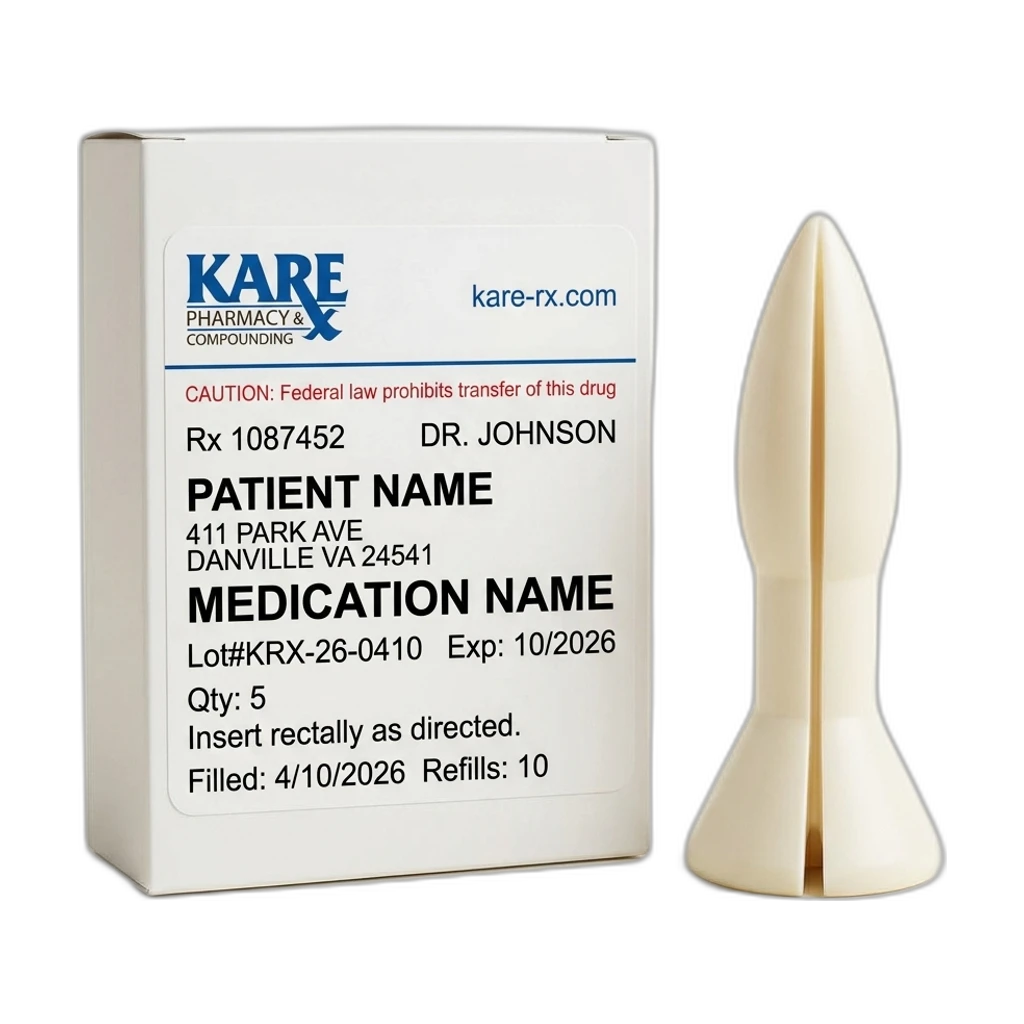
Hydrocortisone | Lidocaine | Nifedipine Rectal Rocket
This compounded suppository (often called a "rectal rocket") combines hydrocortisone 3%, lidocaine 2%, and nifedipine 0.3% to help ease pain, swelling, and itching caused by hemorrhoids or anal fissures. The special shape lets part of the suppository stay outside the anus while the rest sits inside, giving medicine to both internal and external areas at the same time. Your healthcare provider may choose this product when creams or over-the-counter treatments are not enough.
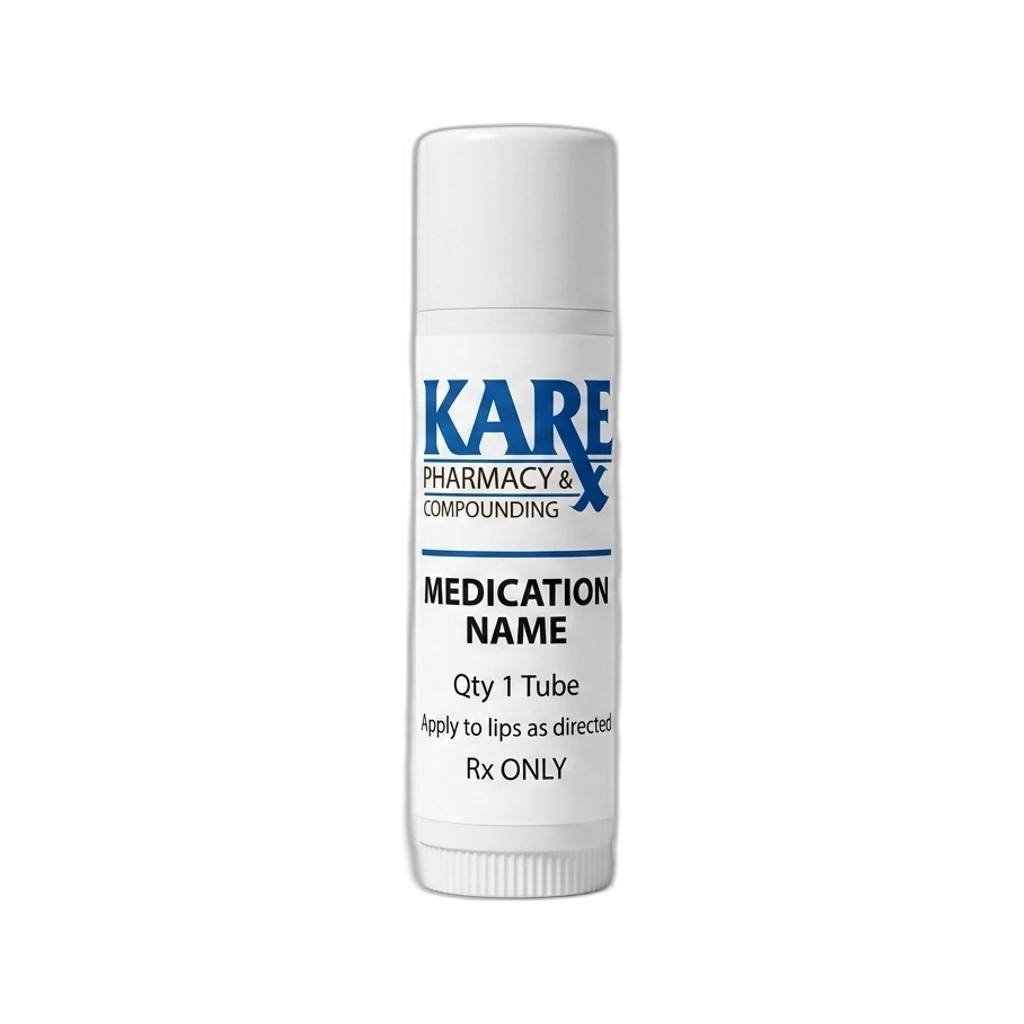
Acyclovir | Lidocaine Lip Balm
Acyclovir | Lidocaine Lip Balm is a compounded topical treatment used to ease pain and speed healing of cold sores (herpes labialis) on or around the lips. Acyclovir fights the virus that causes cold sores, while lidocaine gently numbs the area to reduce burning, itching, and pain. This product is made in a pharmacy under strict quality standards and is only available with a prescription.