Pricing & Options
Sign in to see instant pricing
Available Strength
Active Ingredients
Important Disclaimer
These statements have not been evaluated by the Food and Drug Administration (FDA). Compounded products are not FDA-approved and are not intended to diagnose, treat, cure, or prevent any disease. Individual results may vary. The information provided is for educational purposes only and should not be considered medical advice. Always consult with your healthcare provider before starting any new treatment.
Clinical Information
Evidence-based details for healthcare providers
Use as directed by your healthcare provider. Swish the prescribed amount in your mouth for the recommended time, then spit or swallow only if instructed. If you miss a dose, use it as soon as you remember unless it is almost time for your next dose. Do not double up on doses. Your provider will decide how long you should continue treatment.
Nystatin sticks to fungal cell walls and makes them break apart, killing yeast that can grow in sore mouths. Lidocaine blocks nerve signals on contact, so pain begins to lessen within minutes and relief lasts about 30–60 minutes. Diphenhydramine blocks histamine, which helps lower swelling and itching. Together, the rinse reduces pain, controls infection, and improves comfort so eating and drinking are easier. Most people feel numbing right away and notice less soreness after a few days of regular use.
Do not use if you are allergic to nystatin, lidocaine, diphenhydramine, or similar medicines (such as other “-caine” anesthetics or antihistamines). Do not use if you have severe mouth bleeding or a rare condition called para-aminobenzoic acid (PABA) allergy. Avoid if you are under 2 years old unless directed by a pediatric specialist, as swallowing lidocaine can cause serious side effects in young children. Talk to your provider before use if you are pregnant, breastfeeding, have heart rhythm problems, myasthenia gravis, glaucoma, or severe liver disease.
Using other medicines that make you sleepy (opioid pain pills, benzodiazepines, alcohol, sleep aids) may increase drowsiness from diphenhydramine—use caution. Beta-blockers (like propranolol), antiarrhythmic drugs (such as amiodarone), and large doses of cimetidine can raise lidocaine levels and increase risk of numbness in lips or tongue. Do not use other topical lidocaine products at the same time unless your doctor approves. Swish-and-spit antifungal rinses have few interactions, but swallowing nystatin with the antifungal ketoconazole can lower ketoconazole’s effect. Always give your pharmacist a full list of medicines, vitamins, and herbal supplements you take.
Very common (more than 1 in 10): temporary mouth numbness, slight tingling or mild bitter taste that lasts up to 1 hour. Common (1–10 in 100): drowsiness, dry mouth, mild stomach upset if swallowed, slight burning at first use. Uncommon (1–10 in 1,000): dizziness, nausea, swollen lips or tongue, mild diarrhea. Rare but serious: allergic reaction with rash, trouble breathing, or swelling of face and throat; irregular heartbeat or severe dizziness (from lidocaine overdose); severe mouth irritation or bleeding. Most side effects fade within 30–60 minutes. Stop use and call your doctor or seek emergency help if serious signs occur.
Store tightly closed in the refrigerator (36–46 °F, 2–8 °C) for best taste and stability, or at room temperature below 77 °F (25 °C) if refrigeration is not possible. Protect from direct sunlight and do not freeze. Shake well before each use. Discard any unused rinse 14 days after the date it was made, or sooner if it changes color, smell, or texture. Keep out of reach of children and pets. Return leftover medicine to a pharmacy take-back program, or mix with coffee grounds in a sealed plastic bag before throwing away in household trash.
Frequently Asked Questions
How do I use this mouthwash correctly?
Measure the amount your provider prescribed, swish it around all parts of your mouth for about 1 minute, then spit it out unless your doctor tells you to swallow. Avoid eating or drinking for 30 minutes afterward so the medicine can work.
When will my mouth feel better?
The lidocaine starts numbing within minutes, giving fast pain relief. Fighting infection and reducing swelling take a few days, so most people notice steady improvement after 3–5 days of regular use.
Can I swallow the rinse?
Only swallow if your prescriber specifically instructs you to do so. In most cases, you should spit it out to limit side effects. If accidentally swallowed, it is usually safe in small amounts, but call your provider if you feel dizzy or have a racing heartbeat.
Is it safe to use this with my other medicines?
Usually yes, but some drugs can raise lidocaine levels or increase drowsiness. Tell your pharmacist about heart medicines, sleep aids, allergy pills, or any topical products with lidocaine. They can check for problems and suggest safe timing.
Can children or pregnant women use this mouthwash?
Children under 2 should not use it unless a pediatric specialist says it is safe, because swallowing lidocaine can be harmful. Pregnant or breastfeeding women should use it only if the benefits outweigh the risks; discuss this with your doctor first.
Should I keep it in the fridge?
Yes, refrigeration keeps the ingredients stable and the cool temperature can soothe sores. If you must travel, you may keep it at room temperature below 77 °F for short periods, but avoid heat or freezing.
Related Products
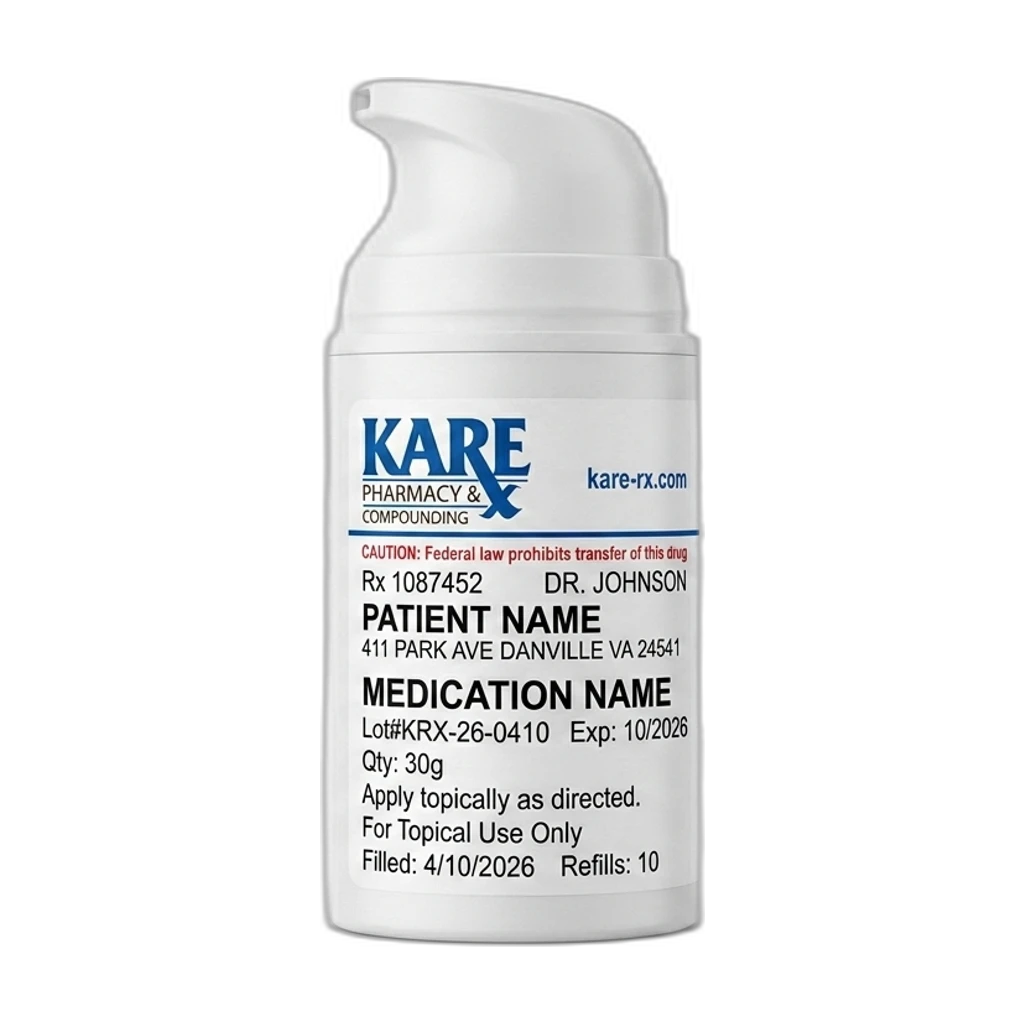
Diltiazem | Lidocaine Cream
A compounded topical cream that contains diltiazem and lidocaine. It is commonly prescribed to help relax the internal anal muscle and reduce pain in patients with anal fissures. Diltiazem helps lower muscle tightness in the area, while lidocaine provides temporary numbing for pain relief. This is a compounded medication and should be used only as directed by a licensed healthcare provider.
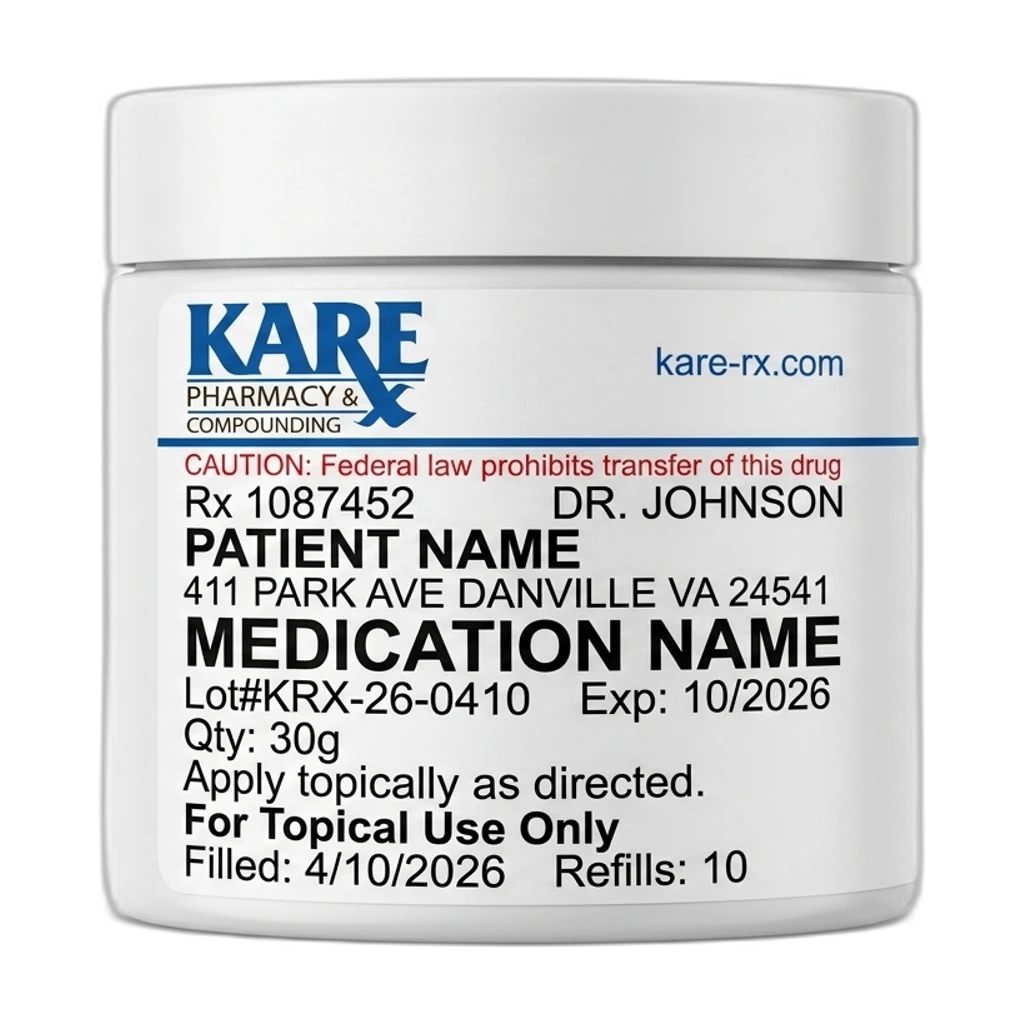
Lidocaine | Tetracaine | Prilocaine Ointment
This is a high-strength topical anesthetic gel containing lidocaine 23%, tetracaine 7%, and prilocaine 2% in a plasticized base. It is applied to intact skin to numb the area before minor dermatology or cosmetic procedures such as laser treatments, injections, or tattoo removal. The gel helps reduce pain by blocking nerve signals close to the skin surface. It is for professional or supervised home use only and should be used exactly as directed by a healthcare provider.
Lidocaine | Tetracaine | Epinephrine Gel
Lidocaine, tetracaine, and epinephrine gel is a compounded topical numbing medicine used on the skin to help reduce pain and discomfort from certain medical procedures. Lidocaine and tetracaine numb the area, and epinephrine helps reduce blood flow at the site to help limit redness and swelling and may help the numbing last longer. This product should only be used exactly as prescribed by a licensed healthcare provider. It is for external use on intact skin unless your prescriber tells you otherwise.
Lidocaine | Tetracaine | Phenylephrine Ointment
This compounded plasticized ointment contains lidocaine 23%, tetracaine 7%, and phenylephrine 2%. It is used on intact skin to numb the area before minor dermatology or cosmetic procedures. The lidocaine and tetracaine block pain signals, while phenylephrine tightens blood vessels to reduce redness and bleeding. The plasticized base helps the medication stay in place and work longer.