
Pricing & Options
Sign in to see instant pricing
Available Strength
Active Ingredients
Important Disclaimer
These statements have not been evaluated by the Food and Drug Administration (FDA). Compounded products are not FDA-approved and are not intended to diagnose, treat, cure, or prevent any disease. Individual results may vary. The information provided is for educational purposes only and should not be considered medical advice. Always consult with your healthcare provider before starting any new treatment.
Clinical Information
Evidence-based details for healthcare providers
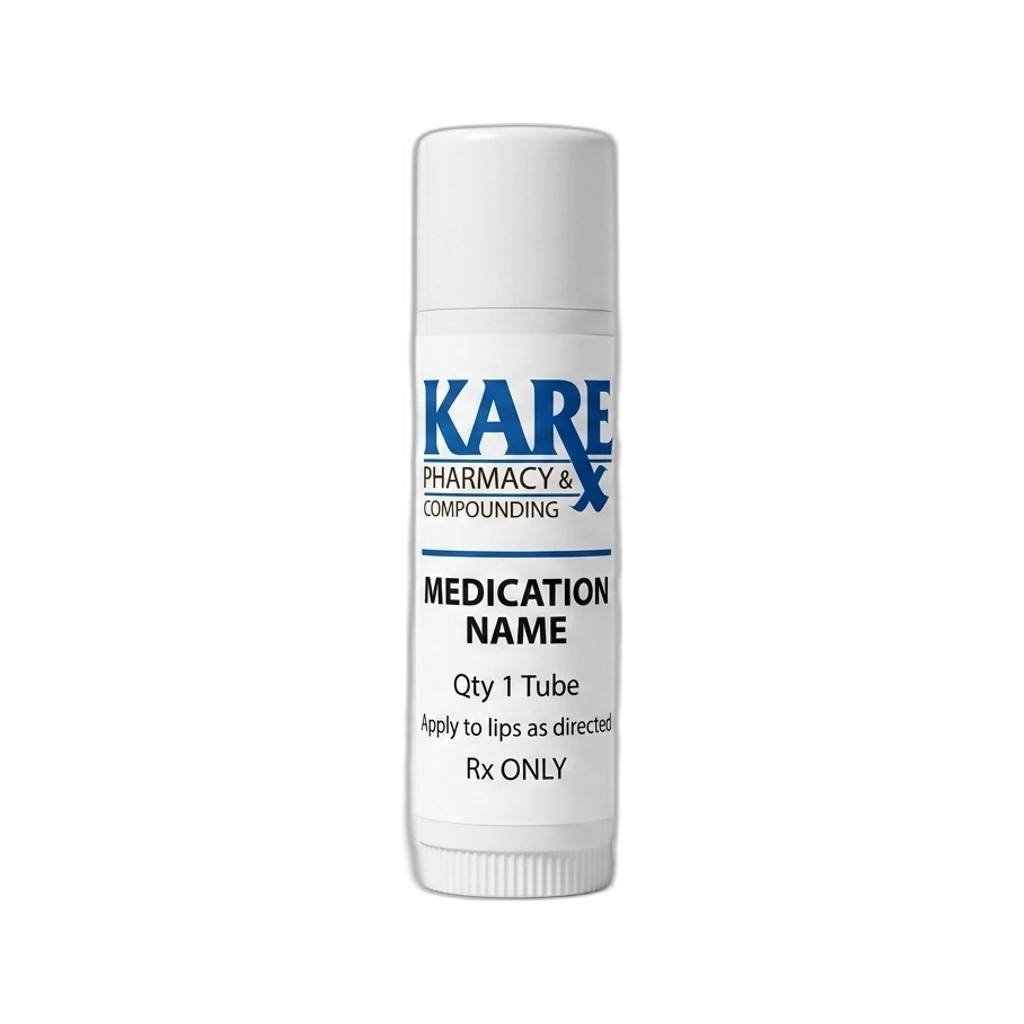
Use as directed by your healthcare provider. If you miss a dose, apply it as soon as you remember unless it is almost time for your next dose. Do not apply two doses at the same time. Your healthcare provider will decide how long you need to keep using the balm.
Acyclovir enters virus-infected skin cells and stops the viral DNA polymerase, which blocks new virus from forming. This slows the growth of the cold sore and helps it heal faster, usually within 2–4 days when started early. Lidocaine blocks sodium channels in nerve endings at the skin surface. Numbing starts in 2–5 minutes and can last up to 60 minutes, easing pain, itching, and burning so you can eat, drink, and talk more comfortably.
Do not use if you are allergic to acyclovir, lidocaine, other "-caine" anesthetics, or any ingredients in this balm (can cause serious rash or swelling). Do not use on eyes, inside the nose, or inside the mouth. Do not use on large, broken, or severely damaged skin because more medicine could enter your bloodstream. Do not use if you are pregnant or breastfeeding unless your healthcare provider says it is safe. Not for use in children under 12 years old without medical advice.
Topical use leads to very low blood levels, but you should still tell your provider about all medicines and supplements you take. Using other topical antivirals, steroid creams, or local anesthetics on the same spot may increase irritation. Large amounts of lidocaine combined with other numbing medicines (like oral viscous lidocaine or benzocaine gels) can raise the risk of numbness spreading or rare blood problems. No known food interactions. Limit alcohol because it dries the lips and may slow healing.
Very common (more than 1 in 10 people): mild stinging or burning for a few minutes after application. Common (1–10 in 100 people): dry lips, mild redness, or flaking skin. Uncommon (1–10 in 1,000 people): swelling, itching, headache, altered taste. Rare but serious: allergic reaction with rash, hives, or trouble breathing; severe skin redness or blistering; dizziness or drowsiness from lidocaine over-absorption. Most local side effects go away within 15–30 minutes. Stop using and contact your healthcare provider if reactions are severe, worsen, or last more than 24 hours.
Store at room temperature (68-77°F, 20-25°C) in the original tightly closed tube. Keep away from heat sources, direct sunlight, and moisture. Do not freeze. Do not store in a hot car or bathroom. Keep out of reach of children and pets. Throw away any unused balm 12 months after first opening or by the expiration date, whichever comes first. Use a pharmacy take-back program or mix leftover balm with coffee grounds in a sealed plastic bag before placing in household trash.
Frequently Asked Questions
How often should I apply the lip balm?
Follow your provider’s directions. Many people apply it five times a day while awake, about every 3–4 hours. Do not exceed the number of daily applications your provider recommends.
When will I start to feel relief?
The lidocaine starts numbing within a few minutes, so pain relief is quick. The acyclovir works over the next few days to shorten healing time, and most people notice their cold sore dries up 2–4 days sooner than without treatment.
Can I use this balm with my regular lip moisturizer or lipstick?
Apply the medicated balm first and let it absorb for at least 15 minutes. After that, you can use a plain lip moisturizer or lipstick if it does not irritate your lips. Avoid sharing lip products to prevent spreading the virus.
What if I accidentally get the balm in my eye?
Rinse your eye right away with lukewarm water for several minutes. If burning, redness, or blurred vision lasts longer than 15 minutes, call your doctor or seek medical care.
Is it safe to use during pregnancy or while breastfeeding?
Tell your healthcare provider if you are pregnant, may become pregnant, or are breastfeeding. Small topical amounts are generally thought to pose low risk, but your provider will weigh the benefits and decide if it is right for you.
Can children use this product?
This compounded balm is not recommended for children under 12 unless a pediatrician specifically prescribes it. Younger children may absorb more lidocaine and are at higher risk for side effects.
Do I need to keep the tube in the refrigerator?
No. It should be stored at normal room temperature. Keep the cap tightly closed to prevent the balm from drying out.
What if I miss an application?
Apply it as soon as you remember. If it is almost time for your next scheduled application, skip the missed one. Do not apply extra balm to catch up.
Related Products
Shingles Relief Cream
This compounded cream combines gabapentin, ketoprofen, amitriptyline, lidocaine, and acyclovir to help ease the pain, burning, and itching that often come with shingles (herpes zoster). The blend targets nerve pain, reduces inflammation, numbs the skin, and delivers an antiviral effect right where the rash appears. It is made for topical use only and is not meant to treat shingles systemically. Always use exactly as prescribed by your healthcare provider.
Lidocaine | Tetracaine | Epinephrine Gel
Lidocaine, tetracaine, and epinephrine gel is a compounded topical numbing medicine used on the skin to help reduce pain and discomfort from certain medical procedures. Lidocaine and tetracaine numb the area, and epinephrine helps reduce blood flow at the site to help limit redness and swelling and may help the numbing last longer. This product should only be used exactly as prescribed by a licensed healthcare provider. It is for external use on intact skin unless your prescriber tells you otherwise.
Benzocaine | Lidocaine | Tetracaine Ointment
This is a compounded topical cream containing benzocaine, lidocaine, and tetracaine used for numbing specific areas of the skin. It may be used to help relieve pain and discomfort from procedures or minor injuries.
Lidocaine | Tetracaine | Prilocaine Ointment
This is a high-strength topical anesthetic gel containing lidocaine 23%, tetracaine 7%, and prilocaine 2% in a plasticized base. It is applied to intact skin to numb the area before minor dermatology or cosmetic procedures such as laser treatments, injections, or tattoo removal. The gel helps reduce pain by blocking nerve signals close to the skin surface. It is for professional or supervised home use only and should be used exactly as directed by a healthcare provider.