
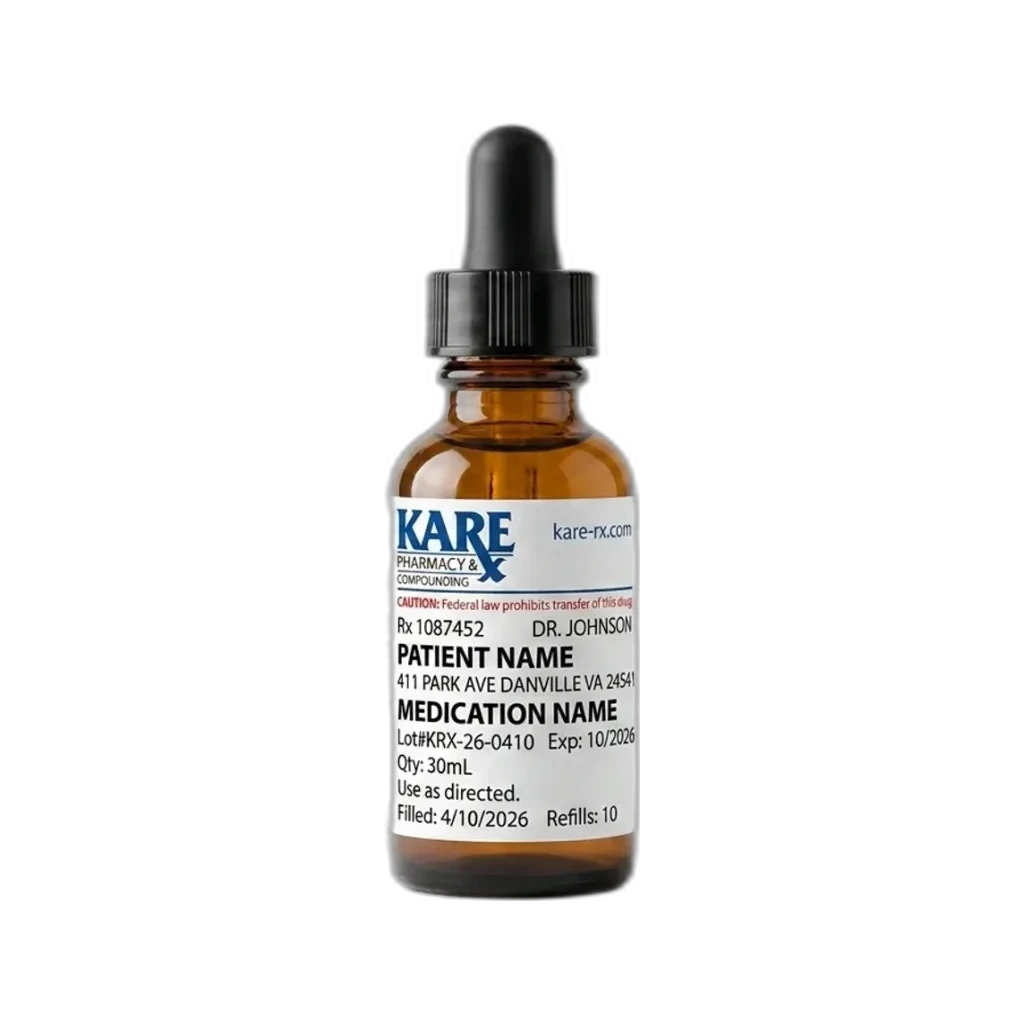
Pricing & Options
Sign in to see instant pricing
Available Strength
Active Ingredients
Important Disclaimer
These statements have not been evaluated by the Food and Drug Administration (FDA). Compounded products are not FDA-approved and are not intended to diagnose, treat, cure, or prevent any disease. Individual results may vary. The information provided is for educational purposes only and should not be considered medical advice. Always consult with your healthcare provider before starting any new treatment.
Clinical Information
Evidence-based details for healthcare providers
Use this eye medication exactly as directed by your healthcare provider. Wash your hands before and after use, avoid touching the dropper tip to your eye or any surface, and use only the number of drops and frequency your provider prescribes. If you miss a dose, use it as soon as you remember unless it is almost time for your next dose. Do not use extra doses to make up for a missed dose.
Vancomycin is an antibiotic that kills certain bacteria by blocking the building of their protective outer wall. When the wall cannot form correctly, the bacteria break apart and die. In the eye, the medicine starts working soon after it is placed on the surface, but symptom improvement may take 1 to 3 days depending on how severe the infection is. Patients may notice less pain, redness, discharge, and light sensitivity as the infection improves. The medicine works only against susceptible bacteria and will not treat viral or fungal eye disease.
Do not use if you have had an allergic reaction to vancomycin or any ingredient in the compounded product, because a serious allergic reaction may occur. Do not use if the solution is cloudy, leaking, expired, or has changed color, because contaminated eye drops can harm the eye. Do not use for viral, fungal, or non-infectious eye irritation unless your healthcare provider specifically tells you to, because this antibiotic will not help those conditions. Use with extra caution and only under medical supervision in infants, children, during pregnancy, or while breastfeeding, because your provider must decide if the expected benefit outweighs possible risk. Do not share this medication with anyone else.
Drug interactions are less common with eye drops than with oral or injected medicines, but they can still happen. Using other eye medicines at the same time may dilute the dose or increase irritation; separate different eye drops by at least 5 minutes, and use ointments last. Tell your healthcare provider if you use other prescription eye drops, steroid eye drops, glaucoma medicines, or contact lens rewetting drops. Severe interaction concern: other eye products that can irritate the surface of the eye may increase burning or redness. Moderate interaction concern: contact lenses may worsen irritation or trap bacteria, so ask your provider when it is safe to wear them again. There are no known food interactions, and alcohol is not expected to directly affect the eye drops, but good hygiene and following the full treatment plan are important.
Common side effects may include temporary burning, stinging, redness, tearing, blurred vision right after use, or mild eye discomfort. These effects are usually short-lived and often improve within minutes after each dose. Less common side effects include eyelid swelling, itching, feeling like something is in the eye, or increased sensitivity to light. Rare but serious reactions include severe eye pain, worsening redness, rash, swelling of the face or eyelids, trouble breathing, major vision changes, or signs that the infection is getting worse instead of better. Stop using the medication and get medical help right away if you have signs of a serious allergic reaction. If mild irritation does not improve or becomes more severe over 1 to 2 days, contact your healthcare provider.
REFRIGERATE
Frequently Asked Questions
What is vancomycin eye solution used for?
This eye drop is used for certain bacterial eye infections when your healthcare provider decides vancomycin is needed. It does not treat viral pink eye, allergies, or fungal eye infections.
How soon will I feel better after starting the drops?
Some people notice less pain, discharge, or redness within 1 to 3 days. Even if you start to feel better, keep using it for the full time your healthcare provider prescribed unless you are told to stop.
Can I wear contact lenses while using this medicine?
In most cases, you should not wear contact lenses during an active eye infection. Contacts can make irritation worse and may slow healing, so ask your healthcare provider when it is safe to start wearing them again.
What should I do if the drops sting or blur my vision?
Mild burning or blurred vision right after putting in the drops can happen and is often brief. If the stinging is severe, lasts longer than expected, or your vision gets worse, call your healthcare provider.
Can I use these drops with my other eye medications?
Yes, but you should separate different eye drops by at least 5 minutes so each one has time to work. If you also use an eye ointment, put the ointment in last unless your provider tells you otherwise.
How should I store compounded vancomycin eye drops?
Many compounded vancomycin eye drops need to be kept in the refrigerator, but always follow the exact label from your pharmacy. Do not use the drops past the beyond-use date, and throw them away if the solution changes color, becomes cloudy, or the container leaks.
Related Products
Vancomycin Ear Solution
Vancomycin ear solution is a compounded liquid medication used in the ear canal when a healthcare provider believes it is appropriate for certain bacterial ear infections. It is made for topical ear use and is intended to deliver vancomycin directly to the affected area. This compounded product is not the same as an FDA-approved commercial ear drop, so it should be used only under the care of a licensed healthcare provider.
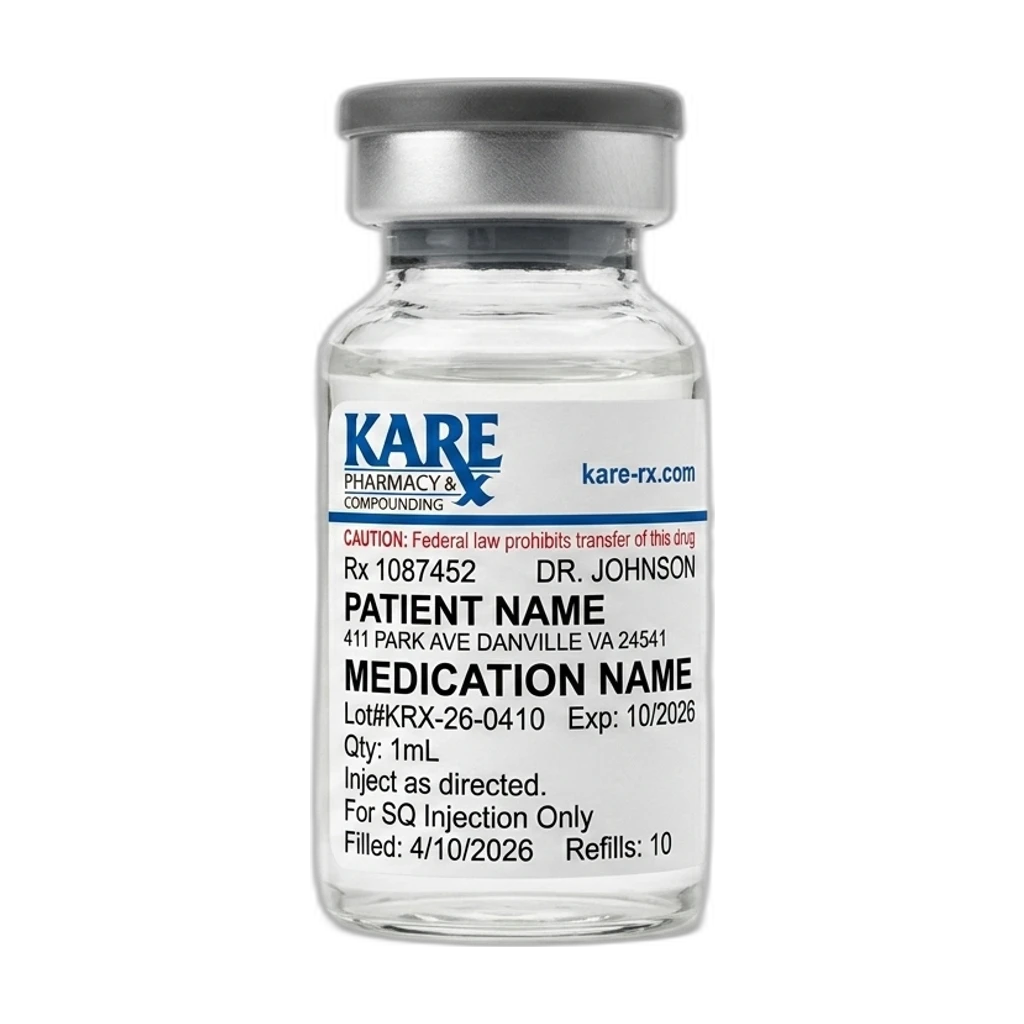
Vitamin B12 (Hydroxocobalamin) Injection
Sterile injectable form of Vitamin B12 (hydroxocobalamin) for treating or preventing B12 deficiency. Each milliliter contains 2 mg of hydroxocobalamin in an aqueous solution for intramuscular or subcutaneous use. Commonly given to boost B12 levels when oral tablets are not enough or cannot be absorbed.
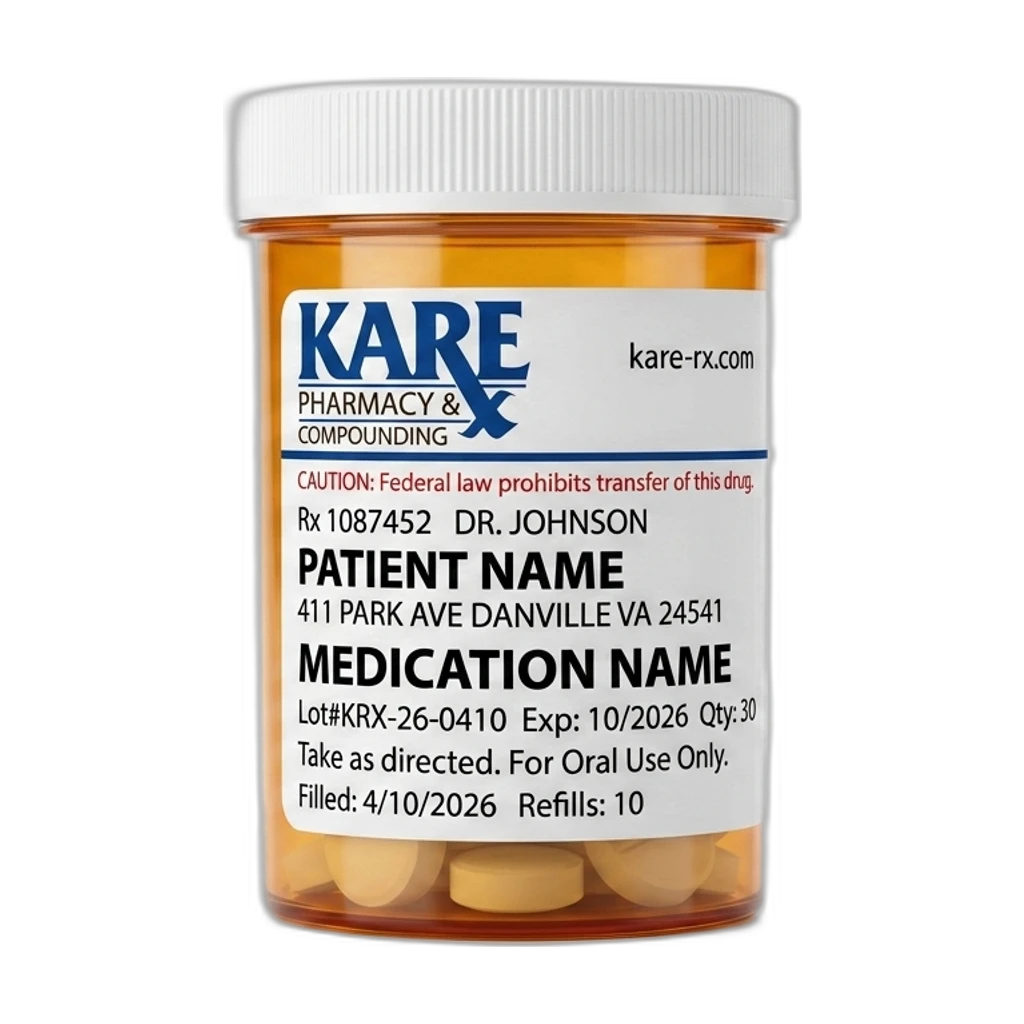
Trazodone Tablet
Trazodone is an oral medication used to treat depression and help with sleep. It works on chemicals in the brain to improve mood, calm anxiety, and promote restful sleep. This product is a scored tablet so doses can be adjusted by your healthcare provider if needed.
Myers Cocktail
Myers Cocktail is a sterile premixed injection that combines key vitamins and minerals often used to correct short-term nutrient gaps, support normal energy production, and promote healthy immune function. Each 10 mL single-dose vial contains a balanced blend of magnesium chloride, calcium gluconate, ascorbic acid, B-complex vitamins, and hydroxocobalamin B12. The solution is intended for slow intravenous (IV) administration only under the supervision of a licensed healthcare professional. By delivering nutrients directly into the bloodstream, the formulation avoids losses that can occur in the digestive tract and allows rapid achievement of targeted blood levels. This product is preservative-free.