
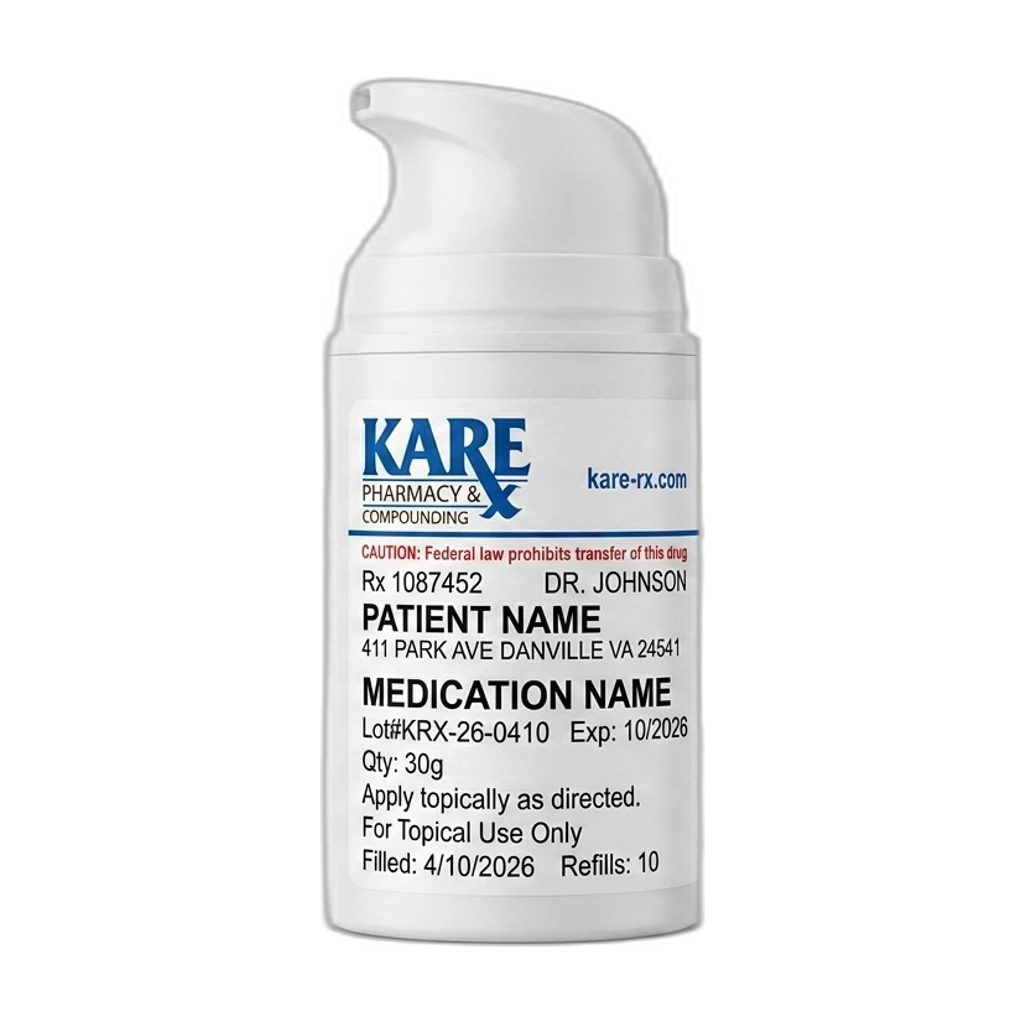
Pricing & Options
Sign in to see instant pricing
Available Strengths (2)·Most prescribed
Active Ingredients
Important Disclaimer
These statements have not been evaluated by the Food and Drug Administration (FDA). Compounded products are not FDA-approved and are not intended to diagnose, treat, cure, or prevent any disease. Individual results may vary. The information provided is for educational purposes only and should not be considered medical advice. Always consult with your healthcare provider before starting any new treatment.
Clinical Information
Evidence-based details for healthcare providers
Use as directed by your skincare provider. Apply a pea-sized amount to clean, completely dry skin once each evening. If you miss a dose, apply it the next night unless it is almost time for your regular dose. Do not apply two doses at the same time. Your provider will decide how long you should keep using the cream.
Tretinoin is a vitamin A derivative that speeds up skin cell turnover and boosts collagen production. This action helps fade dark spots, unclog pores, and soften wrinkles. Hyaluronic acid pulls water into the top layers of skin, creating an immediate plumping effect that lasts for several hours and improves with daily use. Mild peeling and redness often appear in the first 2–4 weeks as old skin sheds. Visible smoothing and brightening usually start around week 4, with full benefits at 8–12 weeks. Continued use is needed to keep results.
Do not use if you are pregnant, planning to become pregnant, or breastfeeding; tretinoin can harm an unborn baby. Do not use if you are allergic to tretinoin, hyaluronic acid, or any other component of this cream. Avoid applying to broken, sunburned, or eczema-flared skin until fully healed. Not for children under 18 unless a healthcare provider specifically prescribes it.
Using other drying or peeling products (benzoyl peroxide, salicylic acid, alpha-hydroxy acids) at the same time can increase irritation—apply them at different times of day or ask your provider. High-dose vitamin A supplements, isotretinoin capsules, or certain acne medicines can raise the risk of side effects; tell your provider if you take them. Medicated cleansers, alcohol-based toners, or rough scrubs may worsen redness. Limit sun exposure and always use a broad-spectrum SPF 30 or higher during the day, as tretinoin increases sun sensitivity.
Very common (affects more than 1 in 10 people): mild redness, dryness, peeling, or a tight feeling, especially during the first month. Common (affects 1–10 in 100 people): itching, burning, stinging, temporary acne flare. Uncommon (affects 1–10 in 1,000 people): skin discoloration (light or dark spots), swelling, severe irritation. Rare but serious: allergic reaction with hives, severe rash, or facial swelling—stop use and seek medical help right away. Most mild reactions improve after 4–6 weeks or with added moisturizer; contact your provider if symptoms are severe or do not improve.
Store at room temperature (68–77°F, 20–25°C) in the original, tightly closed container. Keep away from heat, moisture, and direct sunlight. Do not freeze. Keep out of reach of children. Discard any unused cream 6 months after opening or by the expiration date, whichever comes first. Return expired product to a pharmacy take-back program or mix with coffee grounds in a sealed bag before throwing in household trash.
Frequently Asked Questions
How long before I see results?
Most users notice smoother and brighter skin in about 4 weeks, with full benefits around 8–12 weeks. Keep using the cream nightly and wear sunscreen daily to maintain results.
Can I use this with my other acne or anti-aging products?
Yes, but some products like benzoyl peroxide or strong acids can make skin more irritated. Space them out (morning vs. night) or ask your provider for a routine that works best for you.
What if my skin gets very red or peels a lot?
Mild redness and peeling are common early on. If it becomes painful or severe, cut back to every other night and add a gentle moisturizer. Call your provider if irritation does not improve within a week.
Is it safe during pregnancy or breastfeeding?
No. Tretinoin can harm an unborn baby, and its safety while breastfeeding is not known. Stop the cream and inform your healthcare provider if you become pregnant or plan to be.
Do I need to avoid the sun while using this cream?
Your skin will be more sensitive to sunlight. Wear broad-spectrum SPF 30 or higher every day, seek shade, and wear hats or protective clothing when outdoors.
How should I store the cream when traveling?
Keep it in a cool, dry place away from direct sunlight—such as a toiletry bag stored inside your luggage, not in a hot car. Do not freeze the cream.
Related Products
Tretinoin | Niacinamide | Hyaluronic Acid Cream
Plump Max is a high-strength topical cream that targets fine lines, uneven tone, and loss of firmness. It blends tretinoin 0.1% to speed up skin cell turnover, niacinamide 4% to calm redness and balance oil, and hyaluronic acid 0.5% to draw in water and visibly plump the skin. The formula is dispensed in an air-tight pump to protect the ingredients and keep dosing consistent.
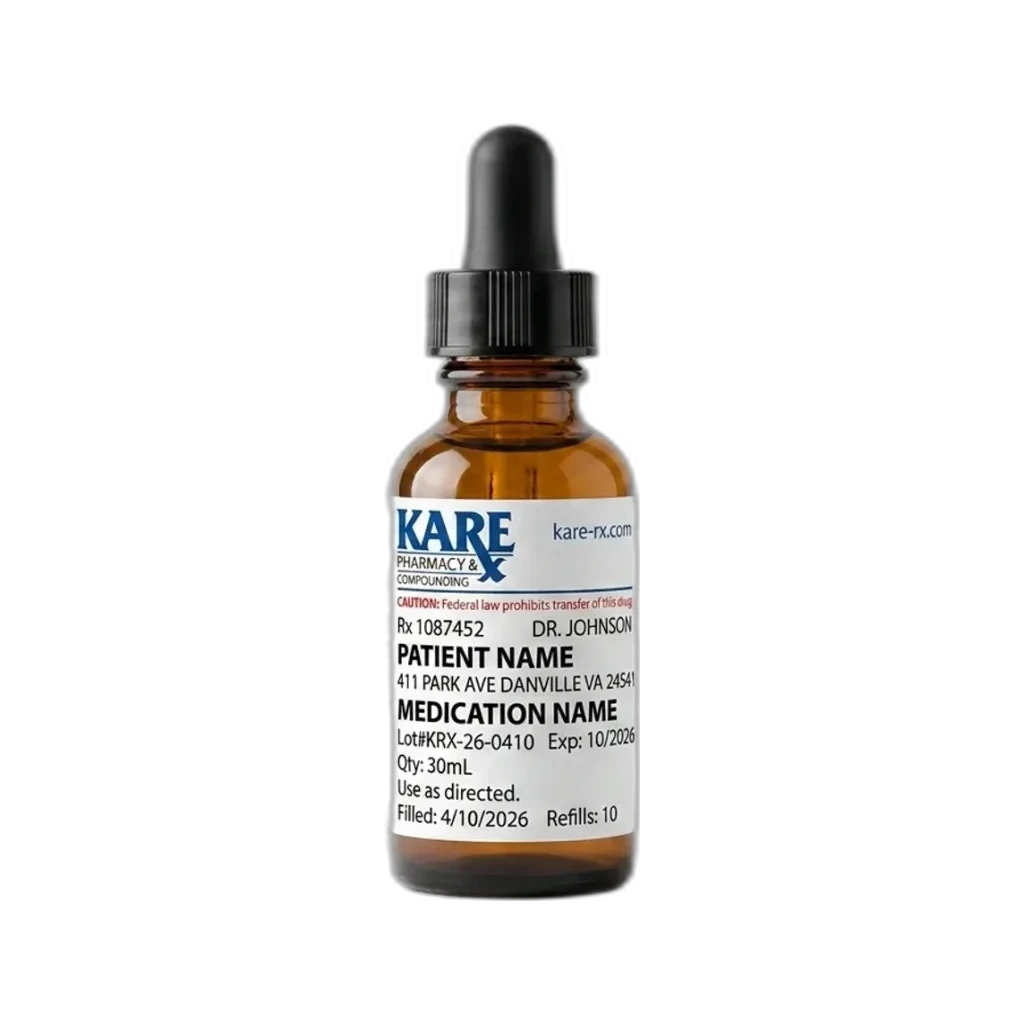
Tretinoin 0.4% Solution
Tretinoin Solution is a prescription topical medicine used to help treat acne and skin damage from sun exposure. It can help unclog pores, reduce blackheads and whiteheads, and improve uneven skin tone and rough texture over time. This product contains tretinoin 0.4% and is for external use only.
Hydroquinone | Retinoic Acid | Hyaluronic Acid | Ascorbic Acid (Vitamin C)
This prescription-strength cream combines four commonly used skin-brightening and anti-aging ingredients to target dark spots, uneven tone, and fine lines. Hydroquinone 8% helps lighten stubborn hyperpigmentation. Retinoic acid 0.05% speeds up skin cell turnover for smoother, fresher-looking skin. Hyaluronic acid 0.2% draws in moisture to plump and hydrate, while ascorbic acid (Vitamin C) 2% provides antioxidant protection and a healthy glow. The formula is intended for short-term, supervised use under a licensed healthcare provider.
Hydroquinone | Tretinoin | Hydrocortisone Cream
This compounded cream helps fade dark spots, melasma, and uneven skin tone. It combines a skin-lightener (hydroquinone), a vitamin A derivative (tretinoin), and a mild steroid (hydrocortisone) to brighten skin, speed cell turnover, and calm irritation. The formula is made in a pharmacy and used under a prescriber’s guidance.