Pricing & Options
Sign in to see instant pricing
Available Strength
Active Ingredients
Important Disclaimer
These statements have not been evaluated by the Food and Drug Administration (FDA). Compounded products are not FDA-approved and are not intended to diagnose, treat, cure, or prevent any disease. Individual results may vary. The information provided is for educational purposes only and should not be considered medical advice. Always consult with your healthcare provider before starting any new treatment.
Clinical Information
Evidence-based details for healthcare providers
Use only as directed by your healthcare provider. This type of peel is often applied by a trained professional in the clinic. Do not apply more often, leave on longer, or use larger amounts than instructed. If you miss a scheduled treatment, contact your provider to reschedule; do not try to “make up” for it at home.
This solution works by gently removing damaged outer skin layers so newer, smoother-looking skin can replace them. Salicylic acid is oil-soluble, so it can enter oily pores and loosen the “glue” that holds dead skin cells together, which helps reduce the look of clogged pores and rough texture. TCA causes controlled shedding of surface skin proteins, leading to peeling and a fresh skin layer over time. You may see redness and a tightening or stinging feeling soon after application, and visible peeling usually starts within 1 to 3 days and may last about 3 to 7 days depending on your skin and how it was used; results build over multiple treatments as advised by your clinician.
Do not use if you are allergic to salicylic acid, aspirin (salicylates), TCA, or any ingredients in the formula (risk of serious allergic reaction). Do not use on broken, cut, infected, or severely irritated skin, or on open wounds (higher risk of deep burns and scarring). Do not use on areas with active cold sores (herpes), warts, or skin cancer unless your clinician specifically directs you (may worsen the condition or delay diagnosis). Do not use if you have very poor wound healing or severe circulation problems in the area being treated (higher risk of slow healing and scarring). Do not use during pregnancy or breastfeeding unless your prescriber clearly tells you to, because strong acids can irritate skin heavily and salicylates can be absorbed through skin, especially if used over large areas. Not for children unless specifically prescribed and supervised by a pediatric clinician. Avoid use if you are currently using isotretinoin (Accutane) or have used it in the past 6 months unless your dermatologist approves (higher risk of scarring and delayed healing).
This medication may interact with other skin products and certain medicines:
- High risk: Other strong exfoliants or peeling agents (retinoids like tretinoin/Retin-A, adapalene/Differin, tazarotene; benzoyl peroxide; glycolic acid; lactic acid; other salicylic acid products) can greatly increase burning, redness, and peeling. Ask your clinician which products to stop before and after your peel.
- High risk: Recent or planned procedures such as waxing, laser treatments, microneedling, dermabrasion, or electrolysis can increase the risk of skin injury if done too close to a peel. Tell your provider about any recent treatments.
- Moderate risk: Blood thinners (warfarin/Coumadin, apixaban/Eliquis, rivaroxaban/Xarelto, clopidogrel/Plavix) may increase bruising or bleeding if the skin becomes raw. Let your provider know before treatment.
- Moderate risk: Medicines that increase sun sensitivity (some antibiotics like doxycycline, minocycline; some water pills; some acne medicines) can increase the risk of sunburn and dark spots after a peel. Use strict sun protection.
- Moderate risk: Aspirin or other salicylates taken by mouth may add to salicylate exposure if large areas are treated; this is more important if you have kidney problems or use multiple salicylic products. Use only as directed and avoid applying to large body areas unless instructed.
- Lifestyle: Sun exposure and tanning beds can worsen irritation and raise the risk of dark spots after a peel. Avoid tanning and use broad-spectrum sunscreen as directed by your clinician.
Expected and common (about 1 to 10 in 10 people): stinging or burning during application, redness, tightness, dryness, flaking, and peeling for several days. Common (about 1 to 10 in 100 people): swelling, itching, mild crusting, temporary darkening or lightening of the skin (more common in darker skin tones), acne flare or small white bumps, and increased sensitivity to sun. Uncommon (about 1 to 10 in 1,000 people): blistering, oozing, significant scabbing, delayed healing, infection, or worsening of eczema/rosacea. Rare but serious: chemical burns that lead to scarring, severe allergic reaction (hives, facial swelling, trouble breathing), eye injury if it gets into the eyes, and salicylate toxicity if used over large areas or under occlusion (ringing in ears, dizziness, nausea, fast breathing). Call your clinician right away for severe pain, increasing redness or swelling after the first day, pus, fever, new blisters, skin that turns black, or any signs of allergic reaction; seek emergency care for trouble breathing.
Store at room temperature (68-77 degrees F / 20-25 degrees C) unless your pharmacy label says otherwise. Keep tightly closed and protect from heat, direct sunlight, and moisture. Keep away from flames or high heat sources. Store out of reach of children and pets. Do not use if the solution looks contaminated or if the container is leaking. Dispose of unused or expired product through a pharmacy take-back program when available; if not available, follow local rules for household chemical disposal and do not pour large amounts down the drain.
Frequently Asked Questions
Is this peel something I can do at home?
This product is intended for use by trained healthcare professionals because it can cause burns and scarring if used incorrectly. Do not use it at home unless your prescriber has specifically instructed you and provided a clear plan. If you are unsure, contact your clinic before applying it.
What should my skin feel like during and after the peel?
A stinging or burning feeling during application is common and usually improves shortly after the peel is stopped. Redness, tightness, dryness, and peeling over the next few days are expected. Severe pain, large blisters, or spreading redness are not expected and should be reported right away.
How soon will I see results and how long do they last?
Many people notice smoother, brighter-looking skin after the peeling phase ends, often within about 1 to 2 weeks. Results can build over time with a series of treatments as recommended by your clinician. How long results last depends on sun exposure, skin care, and your underlying skin condition.
What skin care products should I avoid before and after my peel?
Avoid irritating products unless your clinician says they are safe, such as retinoids (Retin-A, Differin), benzoyl peroxide, exfoliating acids, scrubs, and alcohol-based toners. Use a gentle cleanser, a plain moisturizer, and sunscreen as directed. Do not pick, peel, or scrub flaking skin because it can cause dark spots or scars.
Can I wear makeup after the peel?
Your clinician may ask you to avoid makeup for a short time, especially if your skin is raw or peeling heavily. If makeup is allowed, use gentle, non-irritating products and remove them carefully without rubbing. Stop and contact your clinician if makeup causes burning or worsening redness.
What should I do if it gets in my eyes or on my lips?
Rinse right away with cool running water for at least 15 minutes. Do not rub the area. Get urgent medical care if you have eye pain, vision changes, severe swelling, or ongoing burning.
Is sun exposure a problem after this peel?
Yes. Your skin will be more sensitive to sunlight, and sun exposure can cause dark spots and irritation. Avoid tanning and use broad-spectrum sunscreen and protective clothing exactly as your clinician recommends.
Who is at higher risk for dark spots or uneven color after a peel?
People with medium to deep skin tones and anyone with a history of dark spots after irritation can be at higher risk. Strict sun protection and following your after-care plan can lower the risk. Ask your clinician if you need a pre-treatment plan to reduce pigment changes.
Related Products
Salicylic Acid | Lactic Acid |
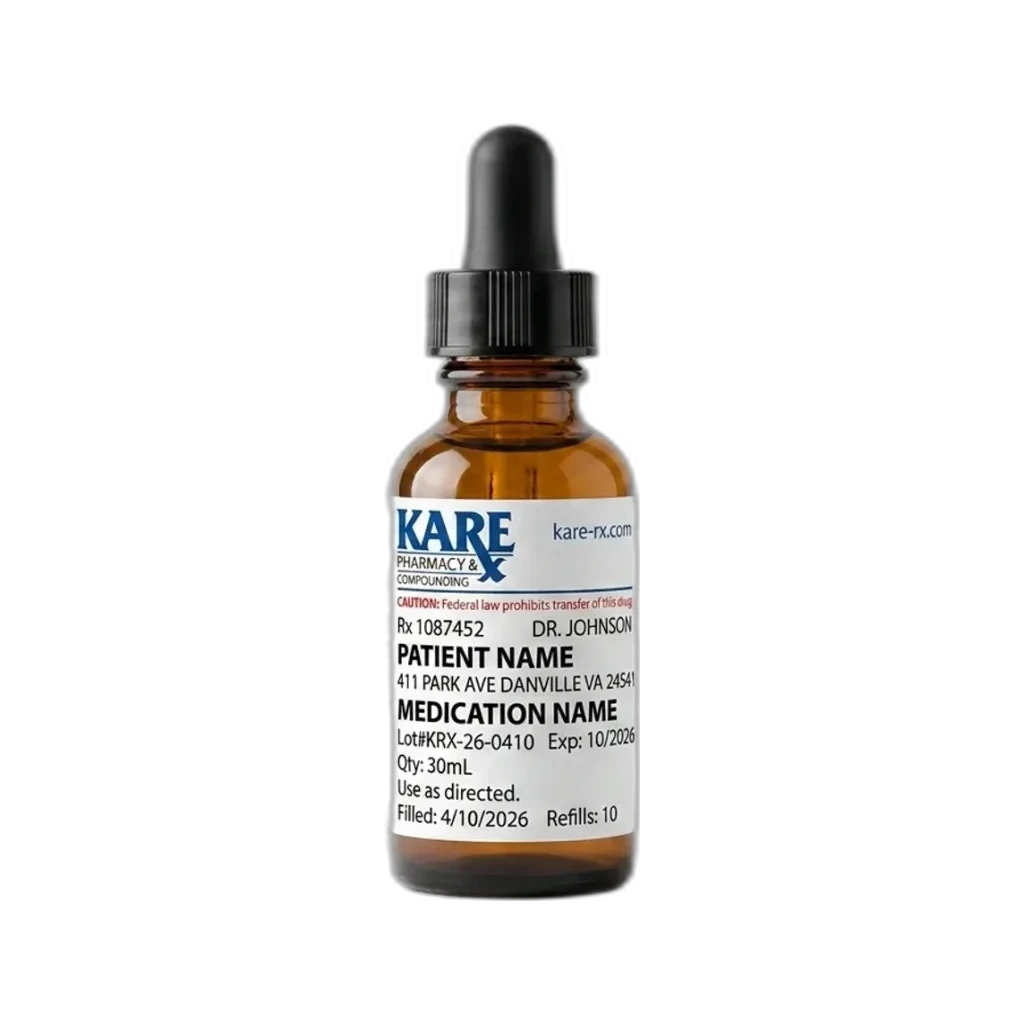
This compounded solution contains salicylic acid, lactic acid, and trichloroacetic acid to soften and break down thick, wart-infected skin. The acids work together to remove layers of the wart a little at a time while helping prevent the virus from spreading. It is meant for external use on common warts or plantar warts as directed by a licensed healthcare provider.
Benzocaine | Lidocaine | Tetracaine Ointment
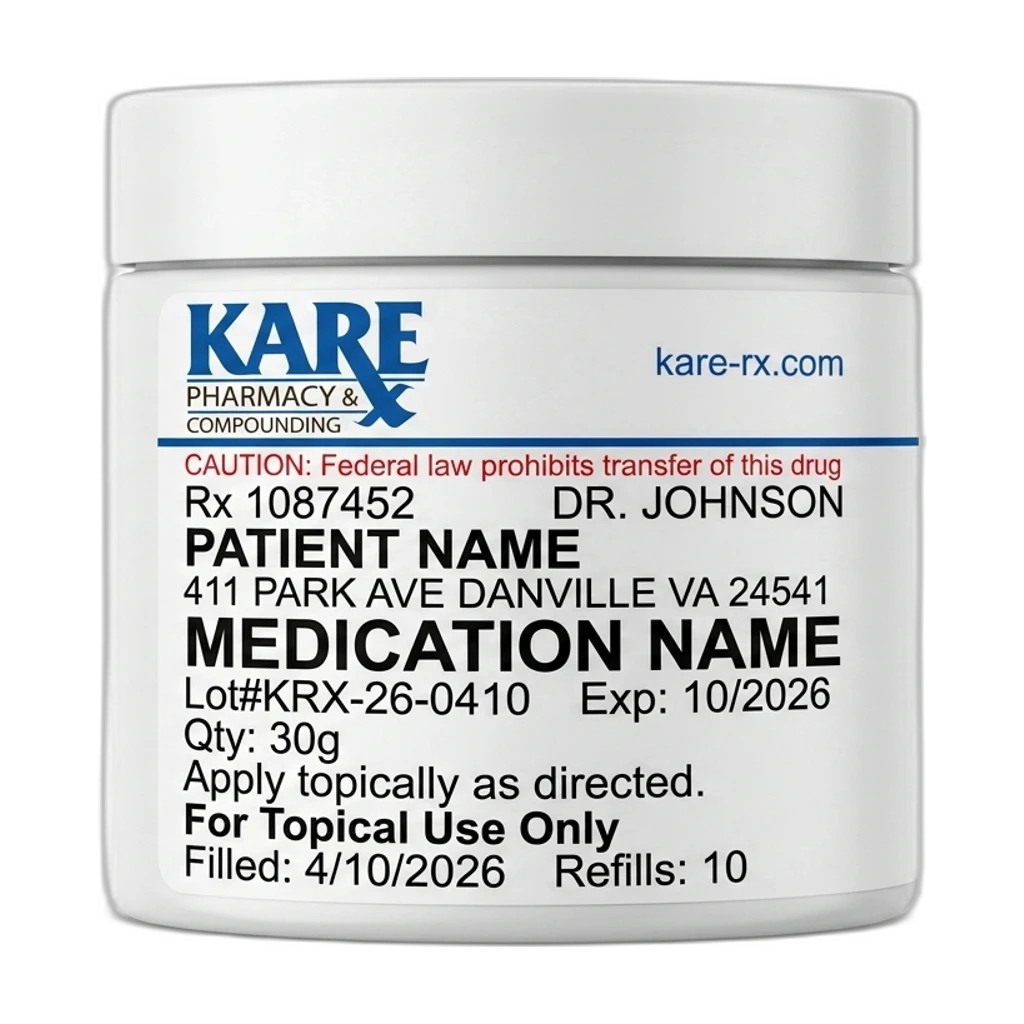
This is a compounded topical cream containing benzocaine, lidocaine, and tetracaine used for numbing specific areas of the skin. It may be used to help relieve pain and discomfort from procedures or minor injuries.
Kojic Acid | Hyaluronic Acid | Ascorbic Acid Cream
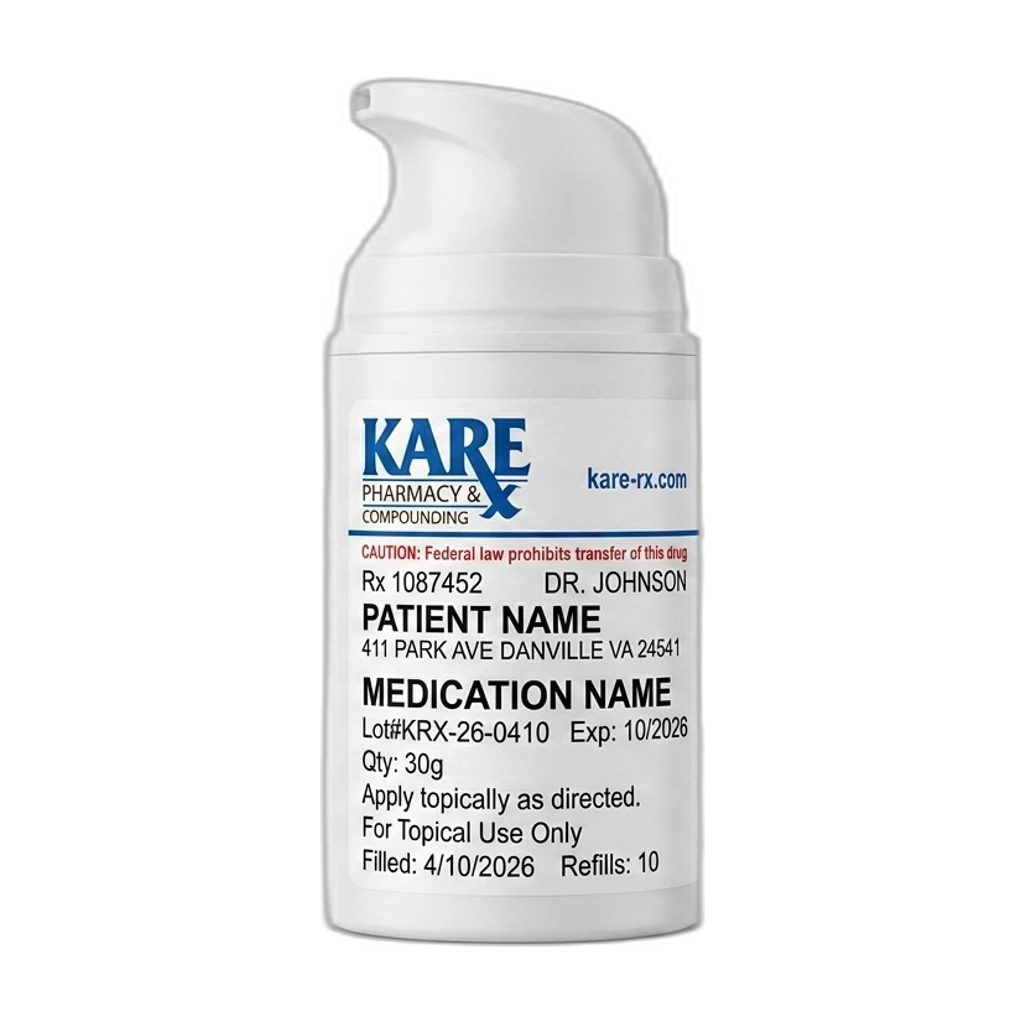
This compounded cream combines kojic acid 5%, hyaluronic acid 0.5%, and ascorbic acid (vitamin C) 2% to brighten uneven skin tone, deeply hydrate, and protect skin from free-radical damage. It is designed for daily use on the face or other small areas with discoloration. The formula targets dark spots, fine lines, and dullness while maintaining skin moisture. Patients typically see a more even, radiant complexion within 4–8 weeks of consistent use.
Hydroquinone | Tretinoin | Kojic Acid
This compounded skin-lightening cream combines three commonly used ingredients to help fade dark spots, melasma, and other areas of uneven skin color. Hydroquinone blocks the formation of skin pigment, Retinoic Acid speeds up skin cell turnover, and Kojic Acid further slows pigment production. Your prescriber will tell you how long to use it and when to check progress. The formula is prepared in a smooth, easy-to-apply cream base and is dispensed in a 30-gram container.