 Prescription
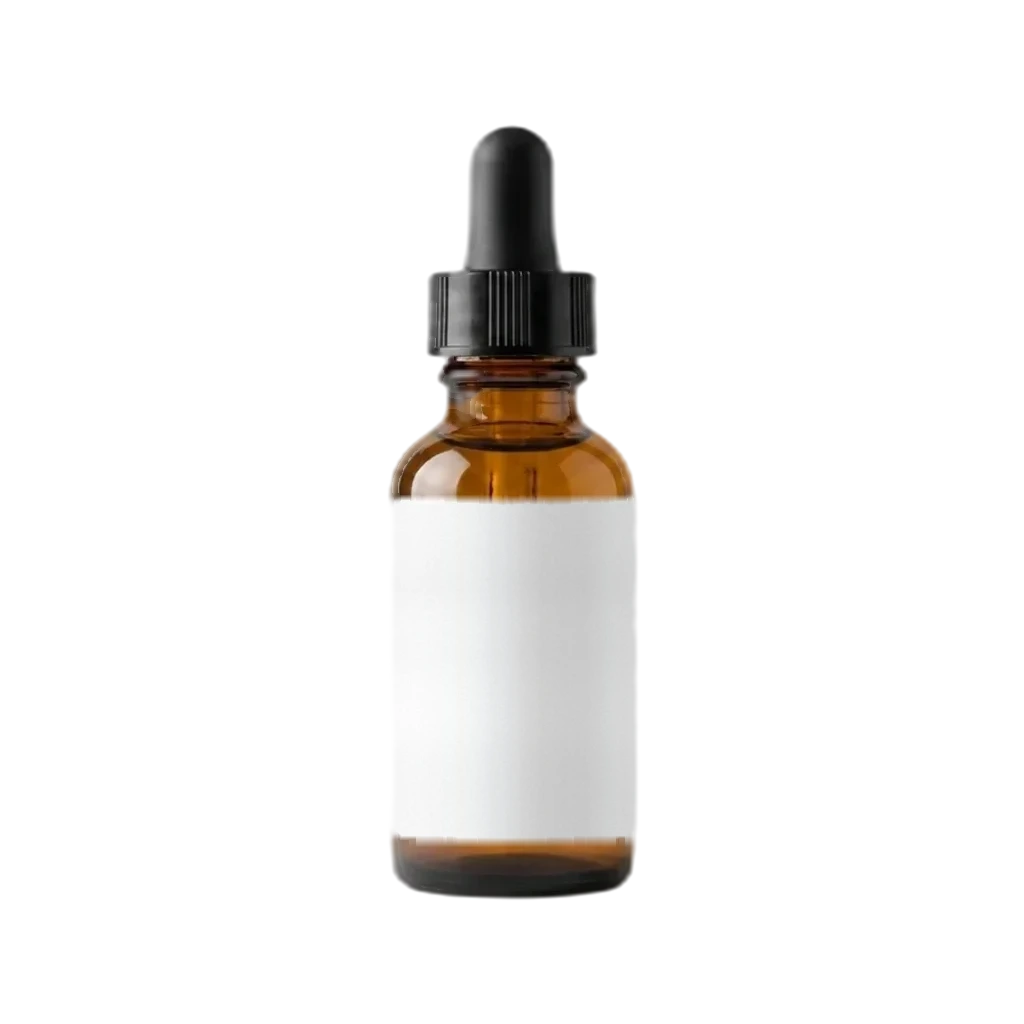
 Prescription RequiredCompounded
Tretinoin 0.4% Solution
Tretinoin Solution is a prescription topical medicine used to help treat acne and skin damage from sun exposure. It can help unclog pores, reduce blackheads and whiteheads, and improve uneven skin tone and rough texture over time. This product contains tretinoin 0.4% and is for external use only.
Requires a valid prescription from your provider. Not sure if it's right for you? Ask a pharmacist.
These statements have not been evaluated by the Food and Drug Administration. Compounded products are not FDA-approved and are not intended to diagnose, treat, cure, or prevent any disease. Individual results may vary. This information is for educational purposes only and is not medical advice — always consult your healthcare provider before starting any new treatment.
Clinical information
Medication information for patients and providers.
Use exactly as directed by your healthcare provider. Apply a thin layer only to the area being treated and avoid healthy surrounding skin unless your prescriber tells you otherwise. If you miss a dose, use it when you remember unless it is close to your next dose. Do not use extra to make up for a missed dose, and do not use longer or more often than directed.
Tretinoin is a form of vitamin A that changes how skin cells grow and shed. It helps your skin shed old cells and keeps pores from getting plugged, which can reduce acne bumps and blackheads. It also supports new skin cell growth, which can slowly improve uneven color and roughness. Many people notice dryness and peeling early, but visible improvement usually takes several weeks; the best results often take 8 to 12 weeks or longer. The medicine keeps working as long as you use it as directed, but irritation can increase if you apply too much or combine it with other strong skin products.
Do not use if you are allergic to tretinoin or any ingredient in this product (may cause rash, swelling, or trouble breathing). Do not use on skin that is severely irritated, sunburned, scraped, cut, or has open wounds because it can cause severe burning and peeling. Do not use if you are pregnant or planning to become pregnant unless your prescriber specifically tells you to, because tretinoin is related to medicines that can harm an unborn baby and risk cannot be fully ruled out. Do not use while breastfeeding on or near the chest area or anywhere the baby could touch or lick. Not for use in children unless specifically prescribed by a healthcare provider.
This medication may interact with other skin products and treatments and can lead to more burning, redness, and peeling. Major: avoid using other strong peeling agents at the same time unless your prescriber directs it, such as salicylic acid, trichloroacetic acid (TCA), benzoyl peroxide, resorcinol, or strong alcohol-based astringents; using them together can cause a chemical burn. Moderate: products with alpha hydroxy acids (like glycolic acid or lactic acid), exfoliating scrubs, harsh soaps, and acne washes can increase dryness and irritation; ask your prescriber how to space them out. Moderate: waxing, laser treatments, and hair removal creams on treated areas can tear or burn the skin; avoid unless cleared by your provider. Moderate: medicines that make you more sensitive to sunlight (such as doxycycline, minocycline, and some water pills) can increase sunburn risk; use strong sun protection and tell your provider about all medicines you take. Lifestyle: limit sun and tanning beds and use daily sunscreen and protective clothing because tretinoin greatly increases sun sensitivity.
Very common (more than 1 in 10 people): dryness, peeling, redness, burning or stinging, itching, and feeling of tight skin, especially during the first 2 to 4 weeks. Common (1 to 10 in 100 people): worsening of acne at the start (often temporary), skin discoloration (lighter or darker patches), sensitivity to sun, and mild swelling. Uncommon (1 to 10 in 1,000 people): blistering, crusting, or severe irritation that does not improve, especially if used with other acids or after procedures. Rare but serious: severe allergic reaction (hives, facial swelling, trouble breathing) or signs of a chemical burn (severe pain, oozing, open sores); stop using and get urgent medical help. Most irritation improves when the medicine is used less often or stopped, but severe reactions need medical evaluation.
Store at room temperature (68-77 degrees F / 20-25 degrees C). Keep tightly closed and protect from heat, direct sunlight, and moisture. Do not store in a bathroom or near a sink. Keep out of reach of children and pets. Do not use after the beyond-use date on the label; dispose of unused or expired medication through a pharmacy take-back program when available, or follow local guidelines for household medication disposal.
Frequently asked questions.
This product is tretinoin 0.4%, which is a higher strength than 0.04%. Higher strengths can cause more dryness and peeling. Use only as directed by your prescriber.
Do not combine tretinoin with other peel products (like salicylic acid or TCA) unless your prescriber gives you a specific plan. Using them together can cause severe irritation or a chemical burn. If your provider wants you to use both, ask how to space them out and when to stop tretinoin before and after a peel.
Some people notice peeling and dryness in the first 1 to 2 weeks. Acne and texture usually start improving after several weeks, and best results often take 8 to 12 weeks or longer. Keep using it as directed unless your provider tells you to stop.
Stop using the medicine and contact your healthcare provider right away. Do not try to “push through” severe burning, swelling, open sores, or blistering. Seek urgent care if you have severe pain, oozing, or signs of an allergic reaction.
Yes. Tretinoin makes your skin more sensitive to sunlight, which can cause faster sunburn and dark spots. Use a broad-spectrum sunscreen and limit sun exposure and tanning beds.
Tell your prescriber if you are pregnant, trying to become pregnant, or breastfeeding before using tretinoin. Your provider will help weigh the risks and benefits and may recommend a different option. Do not apply while breastfeeding on or near areas a baby could touch or lick.
More in Dermatology
View all →
Bring this to the bench.
Transfer an existing prescription, or have your prescriber send a new one.