Pricing & Options
Sign in to see instant pricing
Available Strength
Active Ingredients
Important Disclaimer
These statements have not been evaluated by the Food and Drug Administration (FDA). Compounded products are not FDA-approved and are not intended to diagnose, treat, cure, or prevent any disease. Individual results may vary. The information provided is for educational purposes only and should not be considered medical advice. Always consult with your healthcare provider before starting any new treatment.
Clinical Information
Evidence-based details for healthcare providers
Use exactly as your prescriber directs. Gently wash the treatment area and allow it to dry before applying a thin layer. Keep the cream away from eyes, lips, and broken skin. Wash your hands after application. Do not cover the area with a tight dressing unless instructed. Ask your prescriber how to schedule other acne products alongside this cream.
Spironolactone can block androgen receptors, which receive hormone signals that influence oil glands. Applying it to the skin is intended to target those signals locally. How much enters the bloodstream depends on the formulation and use, so body-wide effects cannot be ruled out.
Do not use if you are allergic to spironolactone or the cream base. Avoid use during pregnancy because spironolactone can affect fetal development. Tell your prescriber about breastfeeding, kidney disease, high potassium, or adrenal disease. These conditions need review even though this medicine is applied to the skin.
Tell your prescriber about oral spironolactone, potassium supplements, salt substitutes, and blood pressure medicines such as lisinopril or losartan. These raise concerns if enough drug enters the bloodstream. Other acne products may add irritation; ask before using them together.
Dryness, redness, itching, or stinging may occur. Stop using the cream and seek advice for persistent irritation. Report unusual weakness, dizziness, or a fluttering heartbeat because body-wide effects are possible. Seek emergency care for trouble breathing or swelling of the face or throat.
Follow the storage directions and beyond-use date on your prescription label. Keep the medicine in its labeled container, out of reach of children and pets. Ask the pharmacist about disposal.
[PubMed: Pilot study of topical spironolactone cream for acne (2021)](https://pubmed.ncbi.nlm.nih.gov/34250269/)
[DailyMed: Spironolactone tablets label](https://dailymed.nlm.nih.gov/dailymed/drugInfo.cfm?setid=ac487ae2-e15f-4781-bae3-a03058cfcfe4)
[FDA: Compounding questions and answers](https://www.fda.gov/drugs/human-drug-compounding/compounding-and-fda-questions-and-answers)
Frequently Asked Questions
What is spironolactone cream used for?
It is sometimes prescribed for acne when a clinician wants a topical treatment aimed at hormone signals in the skin. The choice depends on your health history, skin findings, and other acne medicines.
Is spironolactone cream the same as taking spironolactone pills?
The ingredient is the same, but the route and formulation differ. You cannot swap cream for tablets on your own. Research on the cream is limited, and skin application does not rule out body-wide effects.
Can I use spironolactone cream while pregnant?
Avoid spironolactone during pregnancy because of concerns about fetal development. Tell your prescriber if you become pregnant or plan to try for pregnancy. They can review your acne plan and discuss other choices.
Is this FDA-approved?
No. This compounded medicine is prepared for one patient on a prescription. It is not FDA-approved. FDA does not review it for safety or effectiveness before it is made. Separately, FDA-approved spironolactone tablets treat certain heart failure, blood pressure, fluid retention, and excess aldosterone conditions. Their approval does not cover this acne cream.
Related Products
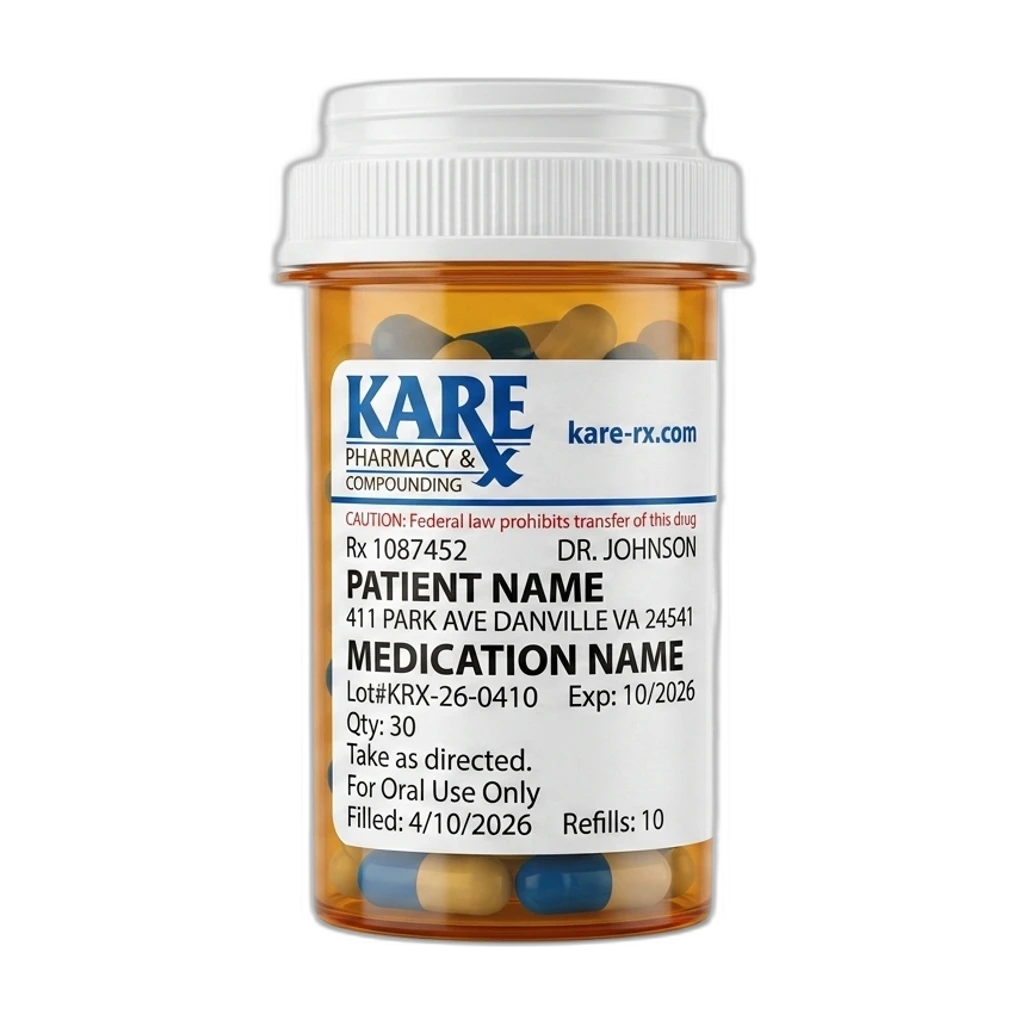
Biotin | Minoxidil | Spironolactone Capsule
This compounded oral capsule combines biotin, minoxidil, and spironolactone to help reduce hair thinning and support new hair growth. Biotin supports strong hair structure, minoxidil increases blood flow to hair roots, and spironolactone lowers the effect of hormones that shrink follicles. Your healthcare provider may choose this option when topical treatments are not enough or not tolerated.
Hydroquinone | Tretinoin | Hydrocortisone Cream
This compounded cream helps fade dark spots, melasma, and uneven skin tone. It combines a skin-lightener (hydroquinone), a vitamin A derivative (tretinoin), and a mild steroid (hydrocortisone) to brighten skin, speed cell turnover, and calm irritation. The formula is made in a pharmacy and used under a prescriber’s guidance.
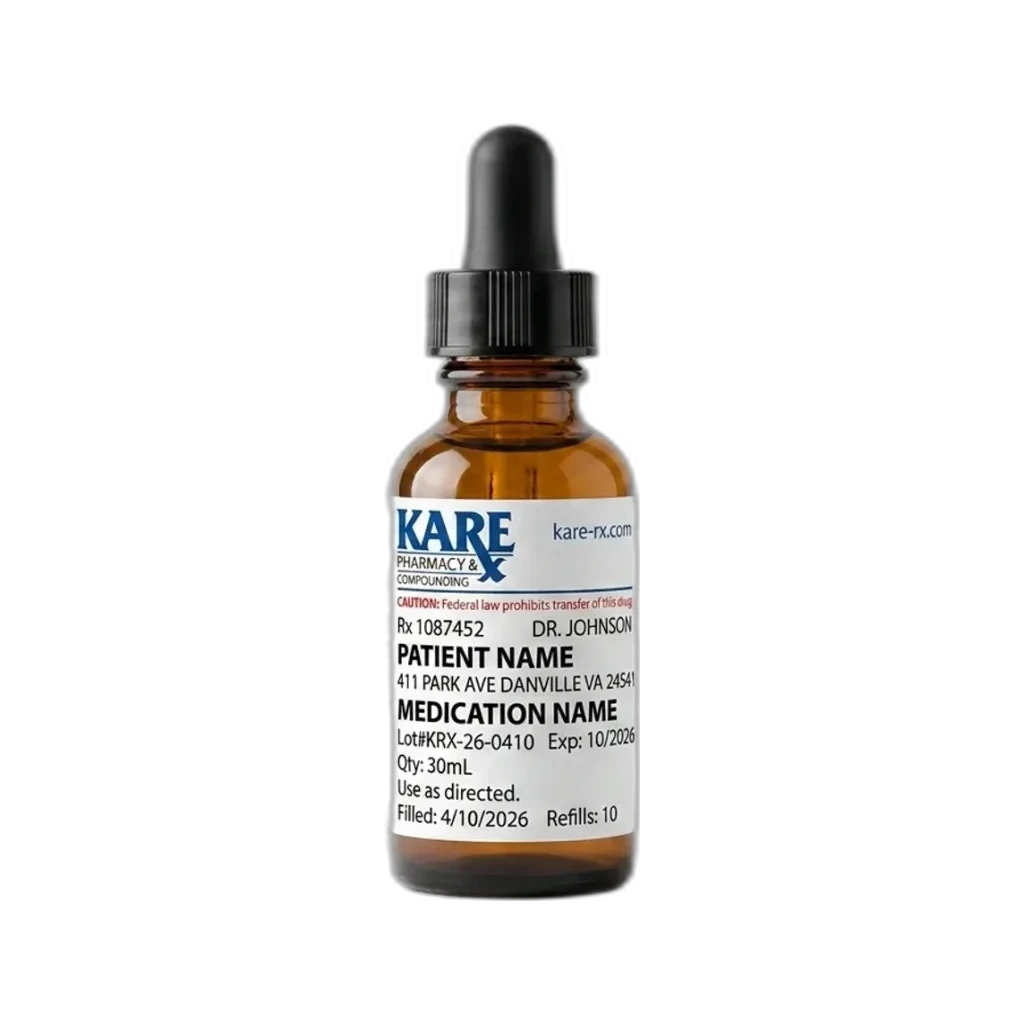
Bimatoprost (Latisse®) Eyelash Solution
Bimatoprost ophthalmic solution 0.03% is used to help people with sparse eyelashes grow longer, thicker, and darker lashes. It is applied to the skin at the base of the upper eyelashes once each day. Results appear gradually over 4–16 weeks and last only while you keep using the medicine.
Metformin Cream
Compounded topical metformin cream is prepared by a licensed pharmacy for skin conditions such as acne, rosacea, eczema, and psoriasis when your healthcare provider believes standard treatments are not enough or not well-tolerated. It is not an FDA-approved product for skin use, but it is made under pharmacy compounding regulations for individual patients with a valid prescription.