
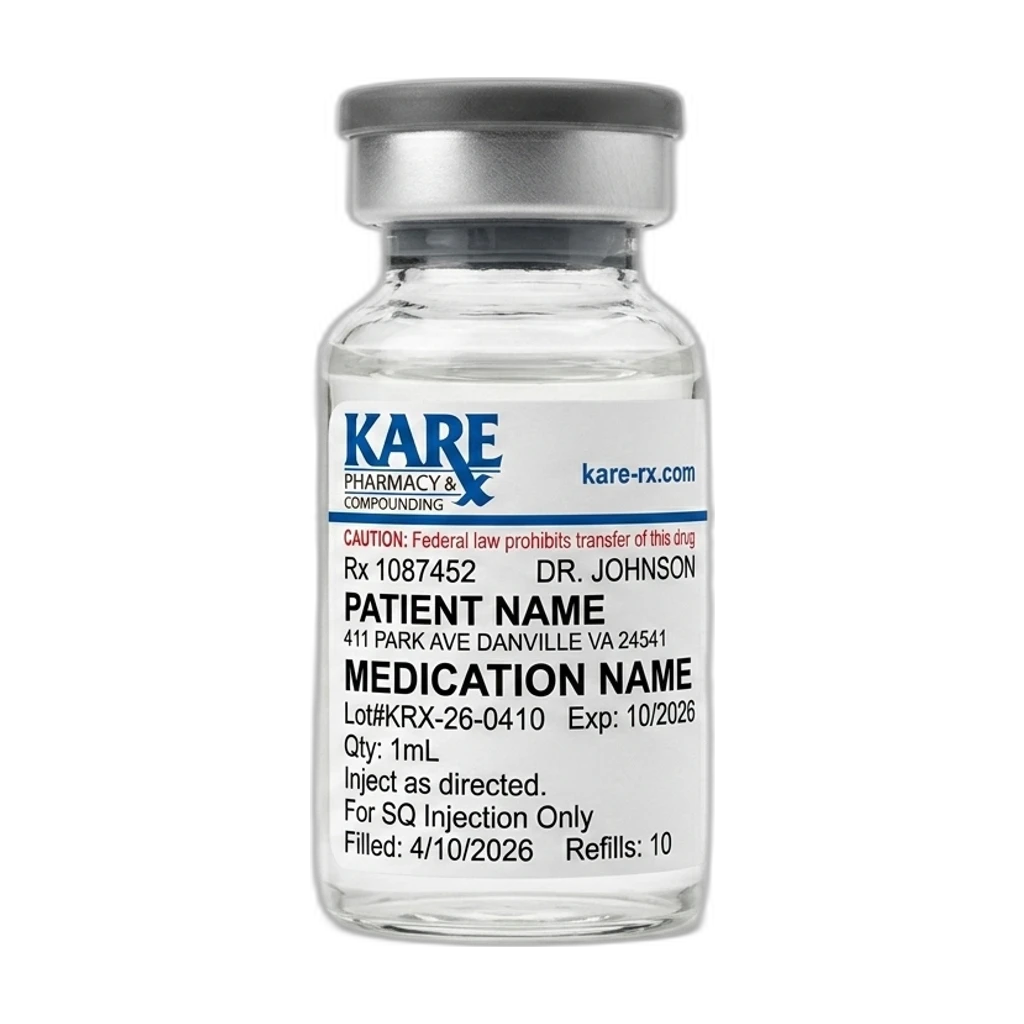
Pricing & Options
Sign in to see instant pricing
Available Strengths (2)·Most prescribed
Active Ingredients
Important Disclaimer
These statements have not been evaluated by the Food and Drug Administration (FDA). Compounded products are not FDA-approved and are not intended to diagnose, treat, cure, or prevent any disease. Individual results may vary. The information provided is for educational purposes only and should not be considered medical advice. Always consult with your healthcare provider before starting any new treatment.
Clinical Information
Evidence-based details for healthcare providers
Use exactly as directed by your healthcare provider. This medicine is usually given by injection on a set schedule chosen by your prescriber. If you miss a dose, contact your healthcare provider or pharmacist for advice on when to take the next dose. Do not take extra doses or change your dose without medical guidance.
Semaglutide works by acting like a natural gut hormone called GLP-1. It helps your body release insulin when blood sugar is high, lowers the amount of sugar made by the liver, slows how fast food leaves the stomach, and helps reduce hunger. These effects can help with blood sugar control and may help lower body weight over time. Many people notice reduced appetite within the first few weeks, but weight loss often takes several weeks to months. Cyanocobalamin is vitamin B12, which helps support normal nerve function and red blood cell production, but it is not the main ingredient responsible for weight loss.
Do not use if you or a family member have a history of medullary thyroid cancer or Multiple Endocrine Neoplasia syndrome type 2, because semaglutide may increase the risk of thyroid C-cell tumors. Do not use if you have had a serious allergic reaction to semaglutide, cyanocobalamin, or any ingredient in the product. Do not use during pregnancy unless your healthcare provider clearly determines it is needed, and avoid use while breastfeeding unless specifically advised, because weight loss treatment is generally not recommended during pregnancy and safety may be uncertain. Do not use if you have a history of severe pancreatitis unless your healthcare provider decides the benefits outweigh the risks. Use is generally not appropriate for children unless specifically prescribed by a qualified specialist.
This medication may interact with insulin and diabetes medicines such as glipizide, glyburide, or glimepiride, which can increase the risk of low blood sugar; this is a major interaction and may require dose changes. It slows stomach emptying, so it may affect how your body absorbs oral medicines, especially drugs that need careful timing such as levothyroxine, some antibiotics, and birth control pills; ask your healthcare provider how to space your medicines. Use caution with other medicines that can upset the stomach, such as metformin, because nausea or vomiting may be worse. Alcohol may increase the risk of dehydration, low blood sugar in some patients, and stomach side effects, so limit or avoid alcohol if it worsens symptoms. Tell your healthcare provider about all prescription drugs, over-the-counter products, and supplements you take, including herbal weight loss products.
Very common side effects include nausea, vomiting, diarrhea, constipation, stomach pain, decreased appetite, and feeling full quickly. These side effects are often strongest when starting treatment or after a dose increase and may improve over days to weeks. Common side effects also include burping, heartburn, tiredness, dizziness, and injection site irritation. Serious but less common reactions include pancreatitis with severe stomach pain that may move to the back, gallbladder problems, dehydration, worsening kidney function, severe allergic reaction, and low blood sugar when used with insulin or certain diabetes pills. Get medical help right away for trouble breathing, swelling of the face or throat, severe ongoing vomiting, signs of dehydration, or severe abdominal pain.
Store refrigerated at 36-46 degrees F (2-8 degrees C) unless your pharmacy label gives different instructions. Do not freeze. Keep in the original container and protect from light. Store away from heat, moisture, and direct sunlight. Do not use if the solution is discolored, cloudy when it should be clear, or has particles unless the pharmacy label states otherwise. Keep out of reach of children and pets. Dispose of used needles and syringes in an FDA-cleared sharps container. Dispose of expired or unused medication through a pharmacy take-back program when available.
Frequently Asked Questions
How soon will I notice results with this injection?
Some people notice less hunger within the first few weeks. Blood sugar effects may start sooner, but weight loss usually takes several weeks to months. Keep using it as directed and follow up with your healthcare provider to track progress.
What should I do if this medicine makes me nauseated?
Eat smaller meals, avoid greasy or very rich foods, and drink fluids often in small amounts. If nausea is severe, does not improve, or you cannot keep fluids down, contact your healthcare provider right away. Do not ignore signs of dehydration.
Can I use this injection if I am pregnant or trying to get pregnant?
Tell your healthcare provider right away if you are pregnant, planning pregnancy, or think you may be pregnant. This medicine is generally not recommended for weight loss during pregnancy. Your provider may tell you to stop treatment before trying to become pregnant.
Can I take this with my other diabetes medicines?
Maybe, but it depends on which medicines you take. When combined with insulin or sulfonylureas, this medicine can raise the risk of low blood sugar. Your healthcare provider may need to adjust your treatment plan and monitor you more closely.
What warning signs mean I should get medical help right away?
Get urgent medical help for severe stomach pain, pain that goes to your back, trouble breathing, swelling of the face or throat, fainting, or severe vomiting. Also seek care for signs of dehydration, very low urine output, or symptoms of low blood sugar such as shaking, sweating, confusion, or fast heartbeat.
How should I store my compounded semaglutide and cyanocobalamin injection?
Keep it refrigerated unless your pharmacy label says something different. Do not freeze it, and protect it from light and heat. Always follow the exact storage instructions on the pharmacy label because compounded products may vary.
Why is vitamin B12 included in this compounded injection?
Cyanocobalamin is a form of vitamin B12. It supports normal nerve health and red blood cell production. It is not the main ingredient that causes appetite reduction or weight loss.
Is this compounded product the same as an FDA-approved semaglutide product?
No. Compounded products are not FDA-approved and are not reviewed by the FDA for safety, effectiveness, or quality in the same way as approved drugs. Use only from a licensed pharmacy and under the care of a qualified prescriber.
Related Products
Alpha-Lipoic Acid Injection
Alpha lipoic acid, also known as ALA, provides the body with a powerful antioxidant that supports essential cellular functions and protects against damage. Alpha lipoic acid is naturally produced by the body and can be obtained from dietary sources. ALA injections are quickly absorbed and distributed throughout the major organs, supporting blood sugar levels and energy production.
L-Carnitine Injection
L-Carnitine Injection supplies a concentrated dose of the amino-acid–like nutrient L-carnitine. Your body uses L-carnitine to move fat into the parts of cells that burn it for energy. Healthcare providers may prescribe these injections to support weight-loss plans, boost exercise endurance, or help with certain metabolic conditions. This sterile solution is made for intramuscular or slow intravenous use under medical supervision.
Lipo + (Pyridoxine (Vitamin B6) | Methionine | Inositol | Choline) Injection
Lipo Plus is a compounded lipotropic injection that combines Vitamin B6, methionine, inositol, and choline. These nutrients help the liver break down fats, support energy production, and aid normal metabolism. Healthcare providers often add Lipo Plus to weight-management plans that include a balanced diet and regular exercise. This sterile solution is for intramuscular use only.
MICC Injection
MICC is an intramuscular (IM) injection that combines four nutrients—methionine, inositol, choline, and vitamin B12 (cyanocobalamin)—to support a doctor-guided weight-management plan. These ingredients help your body break down fats and carbohydrates more efficiently, convert food into usable energy, and may lessen workout recovery time. MICC works best when paired with healthy eating, regular exercise, and follow-up visits with your healthcare provider.