
Pricing & Options
Sign in to see instant pricing
Available Strengths (2)·Most prescribed
Active Ingredients
Important Disclaimer
These statements have not been evaluated by the Food and Drug Administration (FDA). Compounded products are not FDA-approved and are not intended to diagnose, treat, cure, or prevent any disease. Individual results may vary. The information provided is for educational purposes only and should not be considered medical advice. Always consult with your healthcare provider before starting any new treatment.
Clinical Information
Evidence-based details for healthcare providers
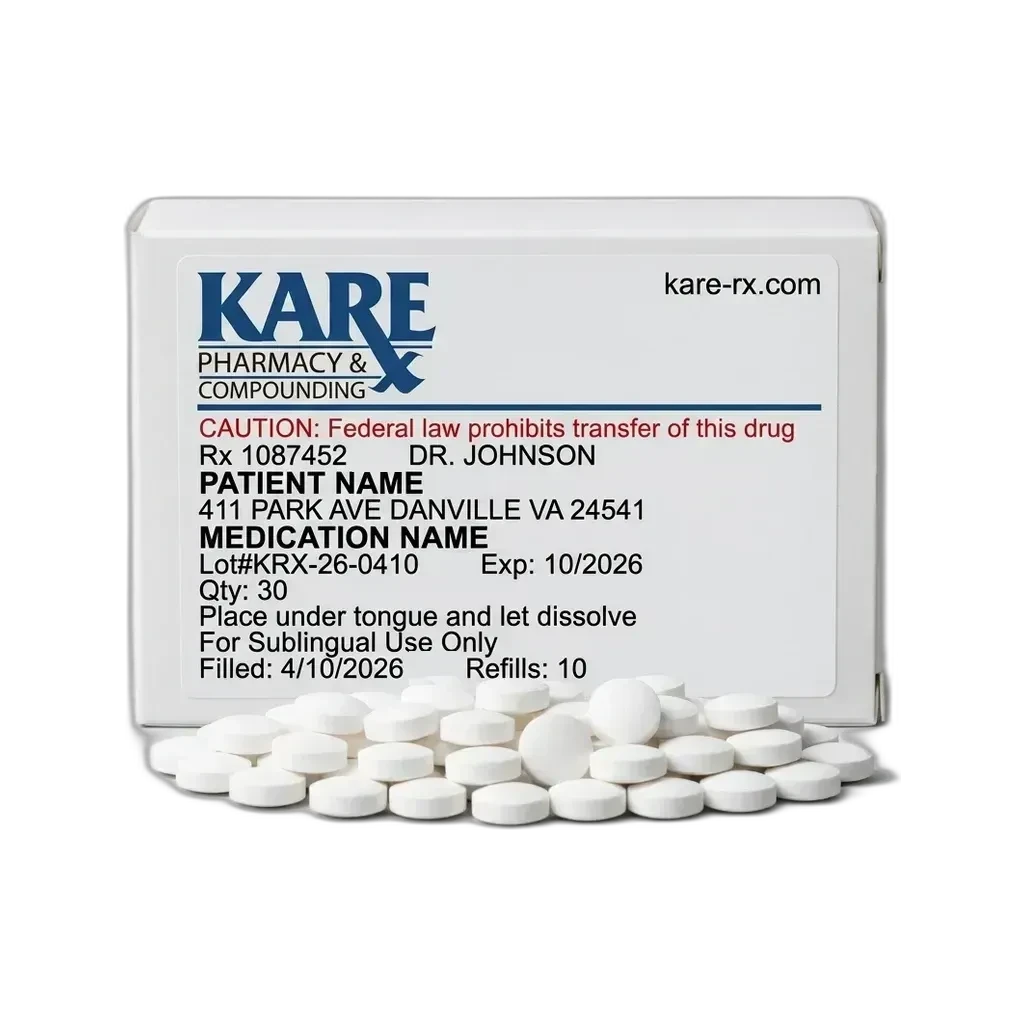
Use as directed by your healthcare provider. Let the tablet melt completely under your tongue; do not chew or swallow whole. If you miss a dose, take it when you remember unless it is almost time for your next dose. Never take two doses at the same time.
Oxytocin attaches to oxytocin receptors in the breast and uterus. In the breast, it makes the small muscles around the milk ducts tighten, helping milk flow. When taken under the tongue, it starts to work within about 3–5 minutes and lasts 20–30 minutes. Patients usually feel breast tightening or mild uterine cramping when it starts working.
Do not use if you are still pregnant or have not delivered your baby—oxytocin can trigger strong contractions and put the baby at risk. Do not use if you have had a serious reaction to oxytocin in the past. Do not use if you have untreated high blood pressure, certain heart problems, or a history of severe migraine with vision changes, as oxytocin may worsen these. Avoid if you have significant uterine scarring from prior surgery or if your provider has advised against breast stimulation. Not for use in children or men.
Using oxytocin with drugs that tighten blood vessels (such as phenylephrine or epinephrine) may raise blood pressure sharply. Taking it with other medicines that make the uterus contract (misoprostol, carboprost, methylergometrine) can cause overly strong contractions. Large amounts of IV fluids or medicines that hold water in the body (like desmopressin) may increase the risk of water intoxication. Always tell your provider about all prescription drugs, over-the-counter medicines, herbal products, and supplements you are using.
Very common (may affect more than 1 in 10 people): mild uterine cramping, brief flushing of the face and neck. Common (1–10 in 100 people): headache, nausea, feeling light-headed, fast heartbeat. Uncommon (1–10 in 1,000 people): water retention with swelling in hands or feet, mild breast tenderness, nasal congestion. Rare but serious: strong or painful uterine contractions that do not relax, severe headache, confusion, seizures, or trouble breathing (may signal water intoxication). Call your healthcare provider right away if you have severe pain, heavy bleeding, or feel very ill.
Store at room temperature (68–77°F, 20–25°C) in a dry place away from sunlight. Keep the tablets in the original blister or bottle with the lid tightly closed. Do not store in the bathroom or kitchen where moisture is high. Keep out of reach of children. Safely discard any tablets past the expiration date through a pharmacy take-back program or mix with used coffee grounds in a sealed bag before throwing away.
Frequently Asked Questions
How do I take the rapid dissolve tablet correctly?
Place one tablet under your tongue and let it melt all the way. Do not chew, swallow whole, or drink anything for about 5 minutes so the medicine can absorb.
When will I feel it working?
Most people notice the effect within 3–5 minutes, often felt as a gentle tightening in the breast. The effect lasts about 20–30 minutes.
Can I use this medicine while I am still pregnant?
No. Using oxytocin before delivery can cause dangerous contractions and harm you and your baby. Only use it after childbirth if your provider prescribes it.
What should I do if I get a bad headache or feel very thirsty after a dose?
Stop taking the medicine and contact your healthcare provider right away. These symptoms can be signs of water imbalance or high blood pressure.
Does it interact with my other medications?
It can, especially with medicines that raise blood pressure or also make the uterus contract. Always show your full medication list to your provider before starting oxytocin.
How should I store the tablets when traveling?
Keep them in their original container, away from direct sun or heat (like a hot car). A small insulated pouch can help protect them if you will be in very warm weather.
Related Products
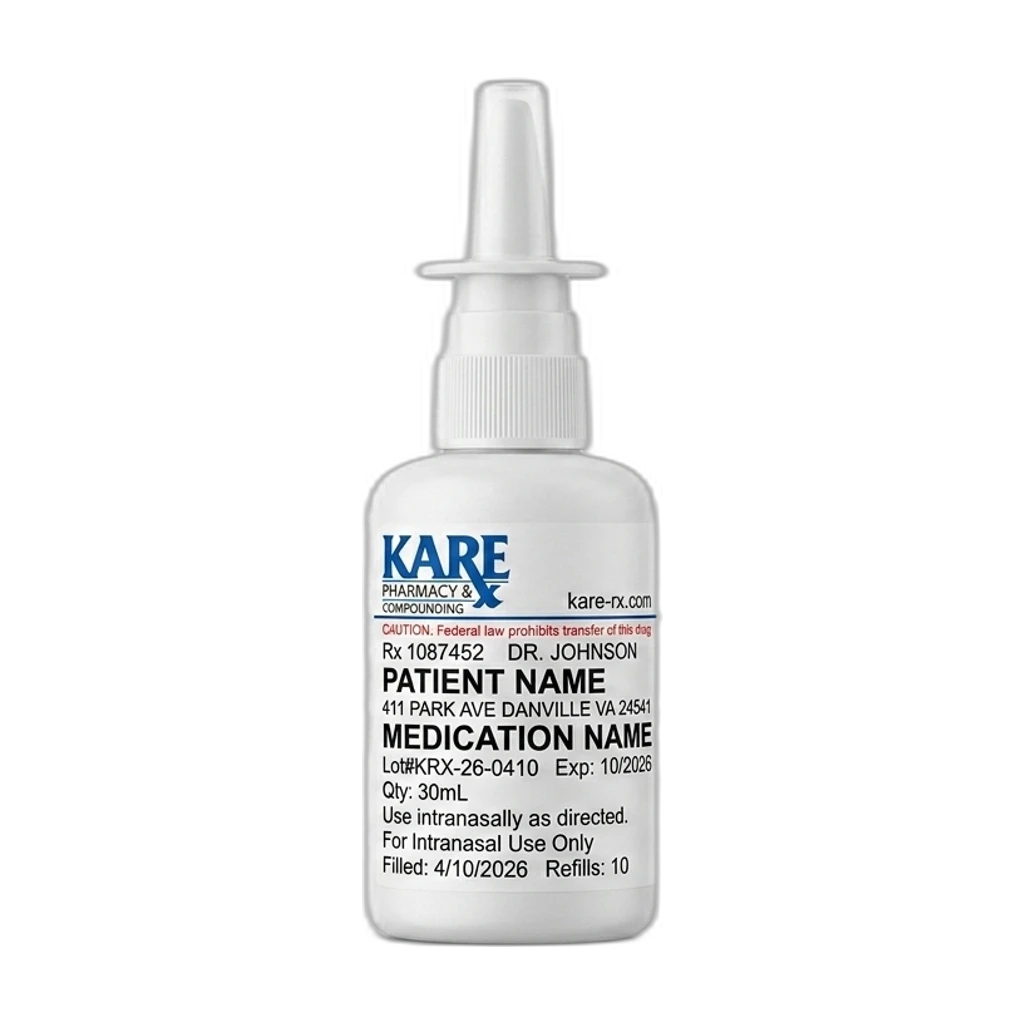
Oxytocin Nasal Spray
Oxytocin Nasal Spray is a compounded intranasal solution that delivers the natural hormone oxytocin through the lining of the nose. It is being used under a prescriber’s direction to support sexual intimacy, bonding, and to ease social anxiety. The spray allows the hormone to enter the bloodstream quickly while avoiding needles or pills. This product is only available with a valid prescription and should be used exactly as directed by a licensed healthcare provider.
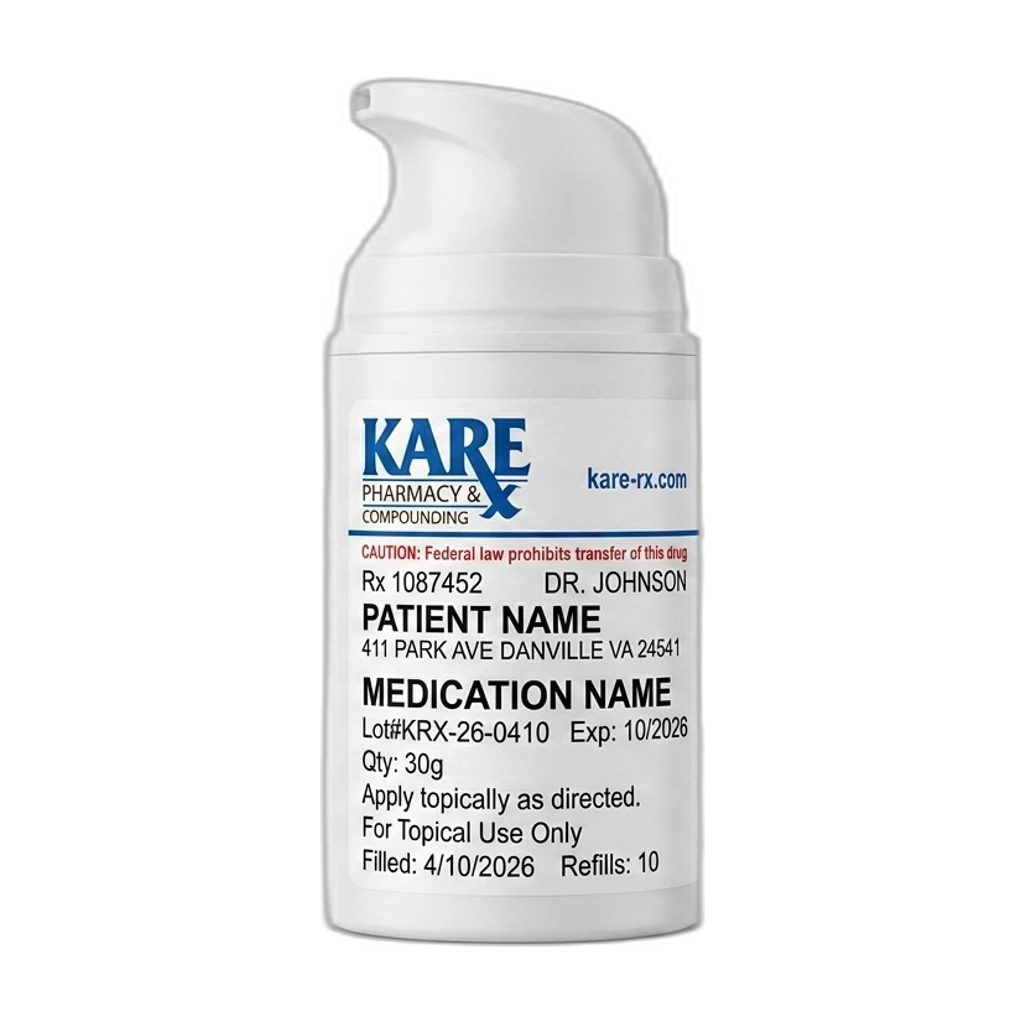
Vitamin E (Alpha-Tocopherol) Vaginal Cream
Vitamin E vaginal cream is used to ease vaginal dryness and discomfort linked to low estrogen levels or menopause. The cream delivers vitamin E directly to the vaginal tissue, helping it stay moist, calm irritation, and support healthy skin. This formula is compounded by a pharmacy and is applied inside the vagina.
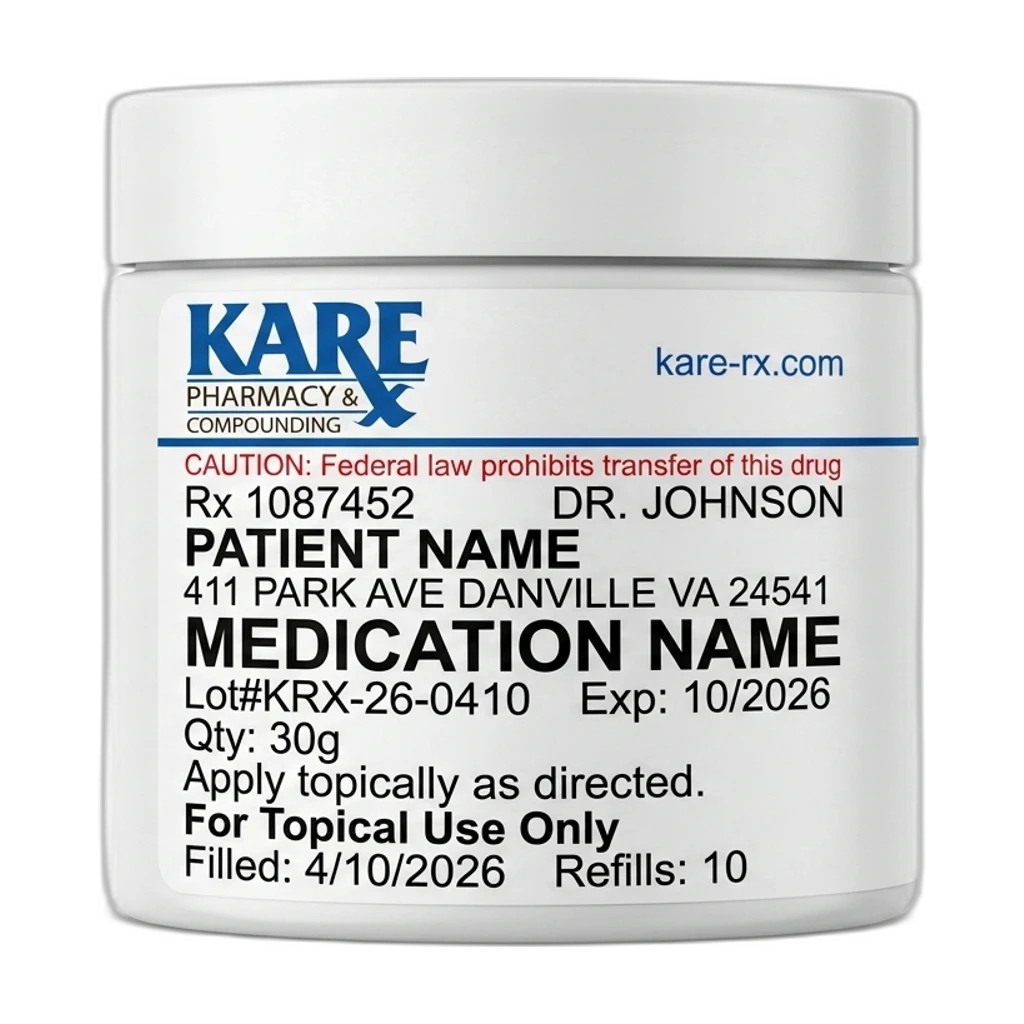
All Purpose Nipple Ointment
This compounded ointment combines an antibiotic (mupirocin 2%), an antifungal (miconazole 2%), and a mild steroid (betamethasone 0.1%). Healthcare providers often prescribe it to soothe sore nipples and clear up minor bacterial or yeast infections that can happen while breastfeeding.
Diazepam Vaginal Cream
Diazepam vaginal cream is a compounded medicine used inside the vagina to relax tight pelvic floor muscles and ease pain. It contains the same active ingredient found in oral diazepam but is applied locally so less medicine reaches the rest of your body. Your healthcare provider may prescribe it for pelvic muscle spasm, pelvic pain, or painful intercourse. Use only as directed and talk with your provider if you have questions.