
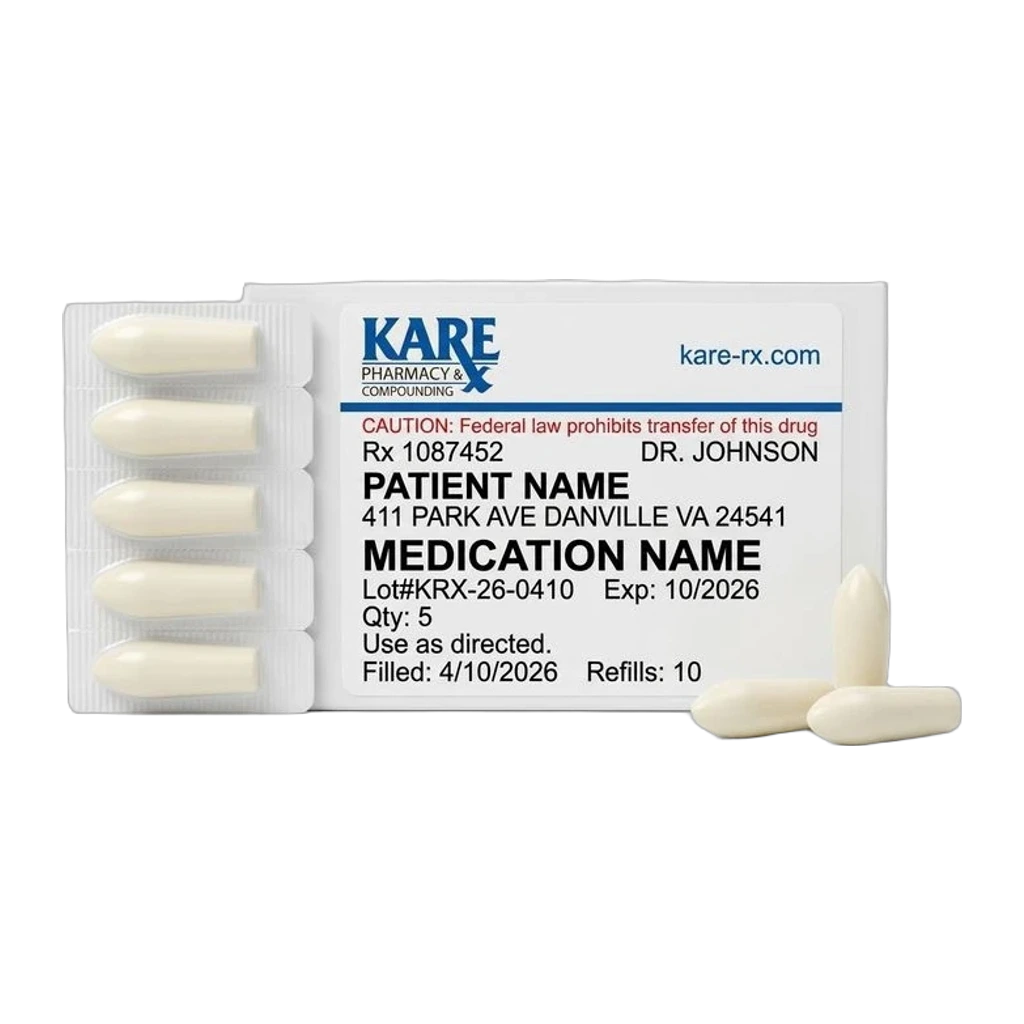
Pricing & Options
Sign in to see instant pricing
Available Strength
Active Ingredients
Important Disclaimer
These statements have not been evaluated by the Food and Drug Administration (FDA). Compounded products are not FDA-approved and are not intended to diagnose, treat, cure, or prevent any disease. Individual results may vary. The information provided is for educational purposes only and should not be considered medical advice. Always consult with your healthcare provider before starting any new treatment.
Clinical Information
Evidence-based details for healthcare providers
Use as directed by your healthcare provider. This product is for vaginal use only. If you miss a dose, use it as soon as you remember unless it is close to your next dose. Do not use two doses at the same time. Your healthcare provider will decide how often you should use it and for how long based on your symptoms and medical history.
Estradiol is a form of estrogen, a natural hormone that helps keep vaginal tissue healthy. When estrogen levels are low (often after menopause), the vaginal lining can become thin and dry, which may cause burning, itching, and pain with sex. After the suppository dissolves, estradiol is absorbed into the vaginal tissue and helps rebuild moisture and thickness in the lining, which can lower irritation and improve comfort. Many people notice some symptom relief within a few weeks, but full benefit may take 8 to 12 weeks of regular use. Some estradiol may enter the bloodstream, especially early in treatment, so follow-up with your healthcare provider is important.
Do not use if you are allergic to estradiol or any ingredient in this suppository. Do not use if you are pregnant, think you may be pregnant, or are trying to become pregnant because estrogen may harm an unborn baby. Do not use if you have unexplained vaginal bleeding that has not been checked by a healthcare provider because it may be a sign of a serious problem. Do not use if you have or have ever had breast cancer or other estrogen-sensitive cancer unless your oncology team specifically approves it. Do not use if you have a current or past blood clot (such as deep vein thrombosis or pulmonary embolism), stroke, or heart attack, because estrogen can raise clot risk. Do not use if you have severe liver disease, because your body may not process hormones normally. Talk with your prescriber before use if you have high blood pressure, diabetes, migraines, gallbladder disease, endometriosis, uterine fibroids, or if you still have a uterus (you may need another medication to lower the risk of uterine lining overgrowth). Not for use in children unless specifically prescribed by a specialist.
Tell your prescriber and pharmacist about all prescription drugs, over-the-counter medicines, vitamins, and supplements you take. Moderate interaction: medicines that affect hormone breakdown may change estradiol levels, including some seizure medicines (carbamazepine, phenytoin), rifampin (an antibiotic), and some HIV medicines; your prescriber may adjust your plan or monitor you more closely. Moderate interaction: some antifungals and antibiotics (such as ketoconazole, itraconazole, clarithromycin) can raise estradiol levels and may increase side effects. Moderate interaction: thyroid medicine (levothyroxine) dose needs can change with estrogen; you may need thyroid blood tests. Moderate interaction: blood thinners (such as warfarin) may require closer monitoring for bleeding or clotting changes. Herbal and supplement caution: St. John’s wort can lower estradiol effects; do not start or stop it without medical advice. Lifestyle: Smoking increases the risk of serious side effects from estrogen (like blood clots and stroke), especially if you are over 35; ask for help to quit.
Common (may affect 1 to 10 people out of 100): mild vaginal irritation or burning, increased vaginal discharge, breast tenderness, headache, nausea, or stomach upset. Uncommon (may affect 1 to 10 people out of 1,000): spotting or light bleeding, mood changes, fluid retention, or skin rash. Rare but serious: signs of a blood clot (leg pain or swelling, chest pain, sudden shortness of breath), stroke symptoms (sudden weakness on one side, trouble speaking, sudden severe headache), severe allergic reaction (hives, swelling of face or throat), yellowing of the skin or eyes (liver problem), or new breast lump. Contact your healthcare provider right away if you have unusual vaginal bleeding, chest pain, sudden shortness of breath, severe headache, vision changes, or leg swelling. Many mild side effects improve as your body adjusts over the first few weeks.
Store as instructed on the pharmacy label. Unless your label says otherwise, store at room temperature (68-77 degrees F / 20-25 degrees C) away from heat and direct sunlight. Protect from moisture; do not store in the bathroom. Keep the suppositories in their original packaging until ready to use, because heat and humidity can cause melting or shape changes. Keep out of reach of children and pets. Do not use after the beyond-use date on the label. Dispose of unused or expired suppositories through a pharmacy take-back program when available; if not available, place them in a sealed bag with something undesirable (like coffee grounds) and throw in the household trash.
Frequently Asked Questions
What is this suppository used for?
This compounded estradiol suppository is used to help relieve vaginal symptoms from low estrogen, such as dryness, burning, itching, and pain with sex. It helps the vaginal tissue become healthier and more comfortable over time. It is not meant to treat hot flashes unless your prescriber says so.
How long does it take to work?
Some people notice less dryness or burning within a few weeks. Full benefit often takes about 8 to 12 weeks of regular use. If you do not feel better after several weeks, contact your prescriber to review your treatment plan.
How do I use a vaginal suppository correctly?
Wash your hands before and after use. Insert the suppository into the vagina as directed on your prescription label, using the method your prescriber or pharmacist recommends. If it melts easily, ask your pharmacist if brief cooling before use is appropriate for your specific product.
Can I have sex while using this medication?
Many people can, but your prescriber may recommend timing doses to reduce mess or discomfort. Some estradiol may be present in vaginal fluids after dosing, so ask your prescriber if you should avoid sexual contact for a certain period after use. If you have pain or bleeding during sex, contact your healthcare provider.
What warning signs mean I should get medical help right away?
Get urgent care for chest pain, sudden shortness of breath, coughing up blood, sudden severe headache, trouble speaking, vision changes, or swelling/pain in one leg. These can be signs of a blood clot or stroke. Also contact your prescriber right away for new breast lumps or any unusual vaginal bleeding.
Is this safe if I have had breast cancer or a blood clot before?
In many cases, estrogen should not be used if you have a history of breast cancer or blood clots, unless a specialist says it is appropriate for you. Tell your prescriber about your full history before starting. Do not restart the medication without medical advice if you stop it for safety reasons.
Do I need progesterone if I still have my uterus?
Sometimes, yes. Estrogen can cause the uterine lining to thicken, which may increase the risk of uterine cancer if you have a uterus and use estrogen for a long time. Your prescriber will decide if you need progesterone or other monitoring based on your dose, how often you use it, and your personal risk factors.
Can I smoke or drink alcohol while using it?
Smoking increases the risk of serious estrogen side effects like blood clots and stroke, so it is best to avoid smoking and ask for help quitting. Alcohol in moderation is usually not a direct problem, but heavy drinking can worsen side effects and health risks. If you drink often, talk with your prescriber about what is safe for you.
Why does the label say this is compounded?
Compounded medications are made by a pharmacy to match a prescriber’s order for an individual patient. They are not the same as an FDA-approved, mass-produced product. Do not share this medication, and use it only as directed for you.
Related Products
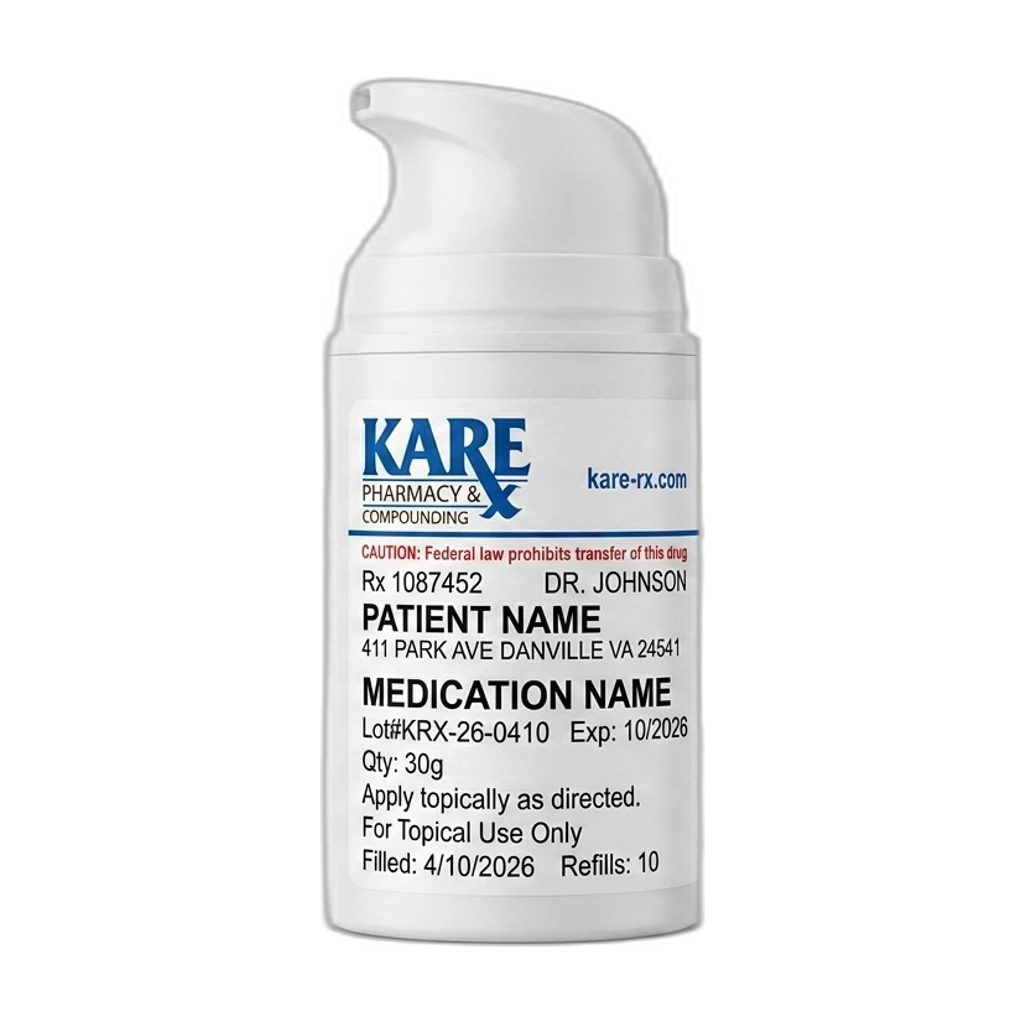
Estradiol | Vitamin E Vaginal Cream
This compounded vaginal cream contains a low dose of estradiol (a form of estrogen) and vitamin E. It is designed to ease vaginal dryness, itching, and discomfort that can happen after menopause or certain medical treatments. The cream is applied inside the vagina where it helps restore moisture, improve tissue health, and make intimacy more comfortable. Your healthcare provider will decide how often and how long you should use it.
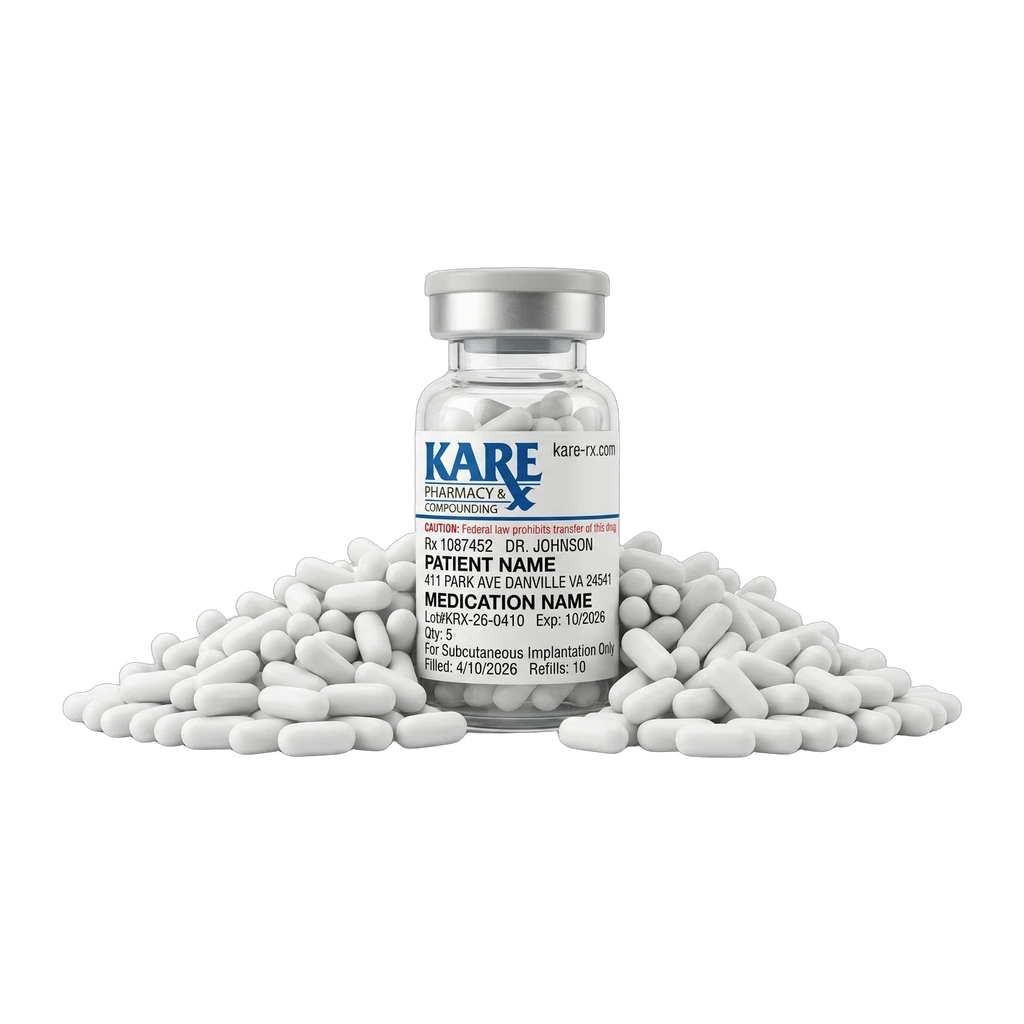
Estradiol Pellets
Estradiol Pellets provide a steady release of estrogen when placed under the skin. They are used for hormone replacement therapy to ease symptoms of low estrogen such as hot flashes, night sweats, and mood changes.
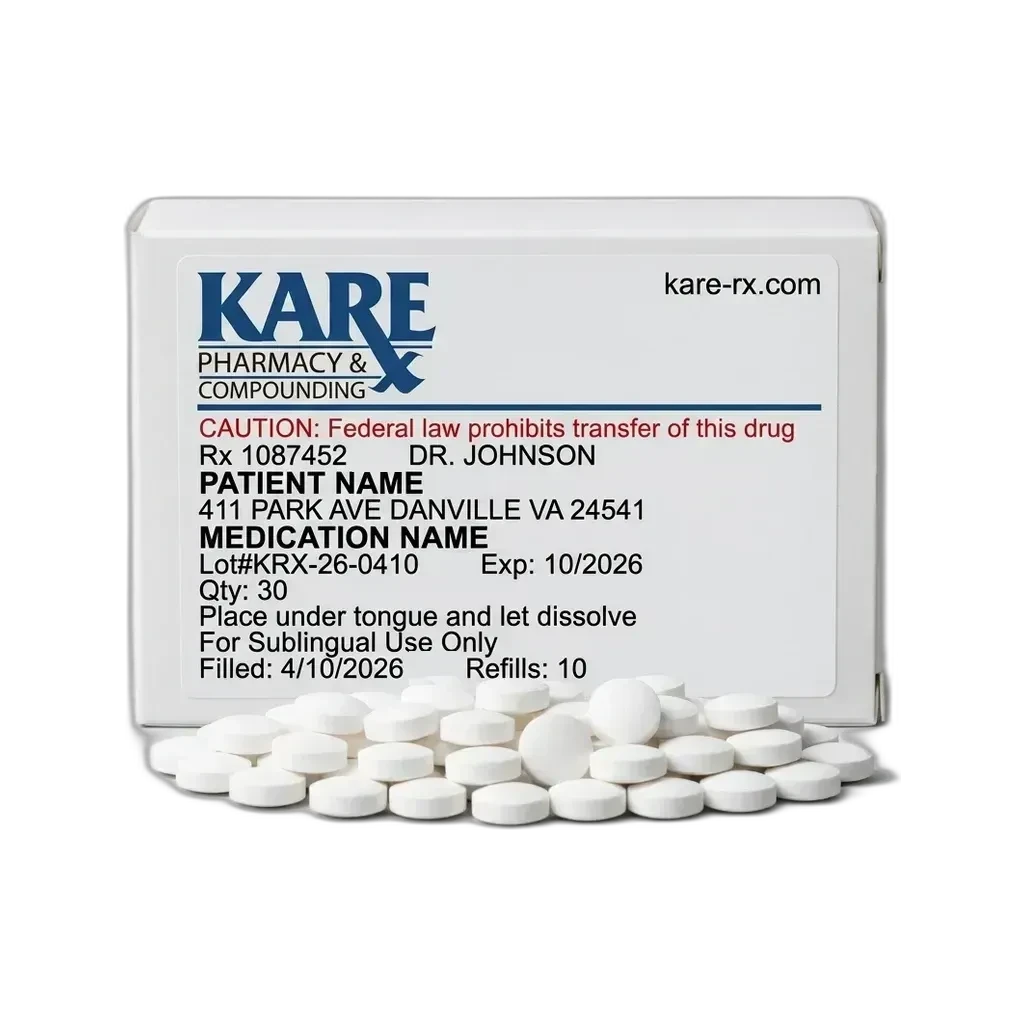
Estradiol Rapid Dissolve Tablets
Estradiol Rapid Dissolve Tablets supply bio-identical estrogen to ease common menopause symptoms like hot flashes, night sweats, mood swings, and vaginal dryness. The quick-dissolve design melts on your tongue without water, making daily dosing simple and comfortable.
Bi-Est (80/20) Cream
Bi-Est Cream is a compounded hormonal therapy cream used for hormone replacement in women experiencing menopause symptoms. It contains a blend of two estrogens, estradiol and estriol, which help alleviate symptoms like hot flashes and vaginal dryness.