
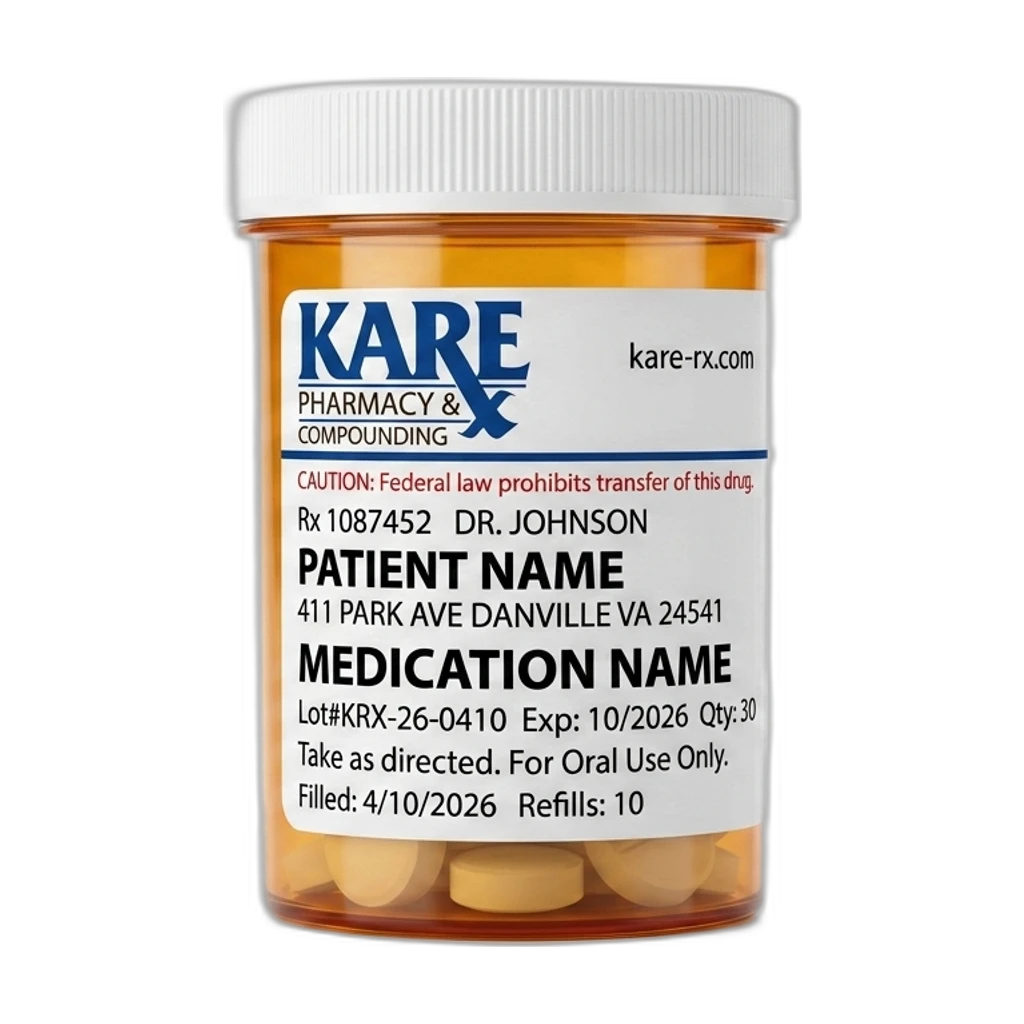
Pricing & Options
Sign in to see instant pricing
Available Strengths (2)·Most prescribed
Active Ingredients
Important Disclaimer
These statements have not been evaluated by the Food and Drug Administration (FDA). Compounded products are not FDA-approved and are not intended to diagnose, treat, cure, or prevent any disease. Individual results may vary. The information provided is for educational purposes only and should not be considered medical advice. Always consult with your healthcare provider before starting any new treatment.
Clinical Information
Evidence-based details for healthcare providers
Use as directed by your healthcare provider. Place one tablet on the tongue and allow it to dissolve completely before swallowing. If you miss a dose, take it when you remember unless it is almost time for your next dose. Do not take two doses at the same time. Your healthcare provider will decide how long you should keep using this medicine.
Ondansetron blocks 5-HT3 (serotonin) receptors in the gut and in the brain’s vomiting center. By blocking these signals, it reduces the urge to vomit. It usually starts to work within 30 minutes after taking a dose, and the effect can last about 4–8 hours. Patients often notice less nausea, less urge to vomit, and better ability to keep food or fluids down.
Do not use if you are allergic to ondansetron, granisetron, dolasetron, or any ingredients in this medication (may cause serious rash or breathing problems). Do not use if you are taking apomorphine (can cause dangerous low blood pressure and loss of consciousness). Avoid use if you have a rare heart problem called congenital long QT syndrome because ondansetron can lengthen the QT interval further and trigger serious heart rhythm problems. Talk with your healthcare provider before use if you have liver disease, low magnesium or potassium, heart failure, or are pregnant or breastfeeding.
Severe: Apomorphine—combination can lead to profound low blood pressure and fainting (avoid). Moderate to severe: Medicines that prolong the QT interval such as amiodarone, sotalol, quinidine, methadone, some antipsychotics (e.g., haloperidol, ziprasidone) and certain antibiotics like moxifloxacin can increase risk of serious heart rhythms—your provider may monitor your heart or adjust therapy. Serotonergic drugs like SSRIs (Prozac, Zoloft), SNRIs (Effexor), MAOIs, tramadol, and St. John’s wort may raise the chance of serotonin syndrome—watch for agitation, fast heartbeat, and fever. Carbamazepine, phenytoin, and rifampin may lower ondansetron levels, making it less effective. Grapefruit and large amounts of alcohol can increase side effects like dizziness. Always tell your healthcare provider and pharmacist about all medicines, vitamins, and herbs you take before starting ondansetron.
Very common (affects more than 1 in 10 people): headache (usually mild, often goes away in a day or two). Common (affects 1–10 in 100 people): constipation, diarrhea, tiredness, flushing, dizziness. Uncommon (affects 1–10 in 1,000 people): low blood pressure, hiccups, stomach pain, blurred vision. Rare (affects fewer than 1 in 1,000 people) but serious: allergic reactions with rash, itching, swelling of face or throat; serotonin syndrome (fever, fast heartbeat, confusion, muscle stiffness); severe heart rhythm changes shown as fast or irregular heartbeat, fainting, or seizures. Most mild side effects improve within a few days. Seek medical help right away for chest pain, fainting, severe dizziness, or signs of an allergic reaction.
Store at room temperature (68–77°F, 20–25°C). Brief temperature changes between 59–86°F (15–30°C) are okay during travel. Keep tablets in the original blister pack until ready to use to protect from moisture and light. Do not push the tablet through the foil; instead, peel back the foil to remove it gently. Avoid storing in bathrooms or other damp places. Keep out of reach of children and pets. Dispose of expired or unused tablets through a pharmacy take-back program or mix them with coffee grounds or cat litter in a sealed bag before placing in household trash.
Frequently Asked Questions
How do I take an Ondansetron ODT if I can’t drink water?
With dry hands, peel back the foil, place the tablet on the middle of your tongue, and let it melt. You can swallow normally with or without a sip of liquid once it dissolves.
How fast will this medicine start to relieve my nausea?
Most people feel less sick within about 30 minutes. If your nausea comes back later, your provider may allow another dose at the time interval they prescribed.
Can I drive after taking Ondansetron ODT?
Ondansetron usually does not cause strong drowsiness, but dizziness can occur. Wait to see how it affects you before driving or operating machinery.
What should I do if I vomit right after taking the tablet?
If you vomit within 30 minutes of taking the dose, call your healthcare provider or pharmacist for guidance. They may tell you to take another dose, depending on your situation.
Is it safe to use Ondansetron with my antidepressant?
Some antidepressants increase serotonin, and using them with ondansetron may raise the chance of serotonin syndrome. Tell your prescriber the exact antidepressant you take so they can decide if monitoring or dose changes are needed.
Can pregnant women use Ondansetron ODT?
Some providers do use ondansetron during pregnancy for severe nausea, but safety data are still being studied. Always discuss risks and benefits with your obstetrician before using any medication while pregnant.
How should I store the blister packs when traveling?
Keep the blister packs in your carry-on bag at a normal room temperature and away from direct sunlight. Don’t leave them in a hot car or in checked luggage where they might get too hot or too cold.
Related Products
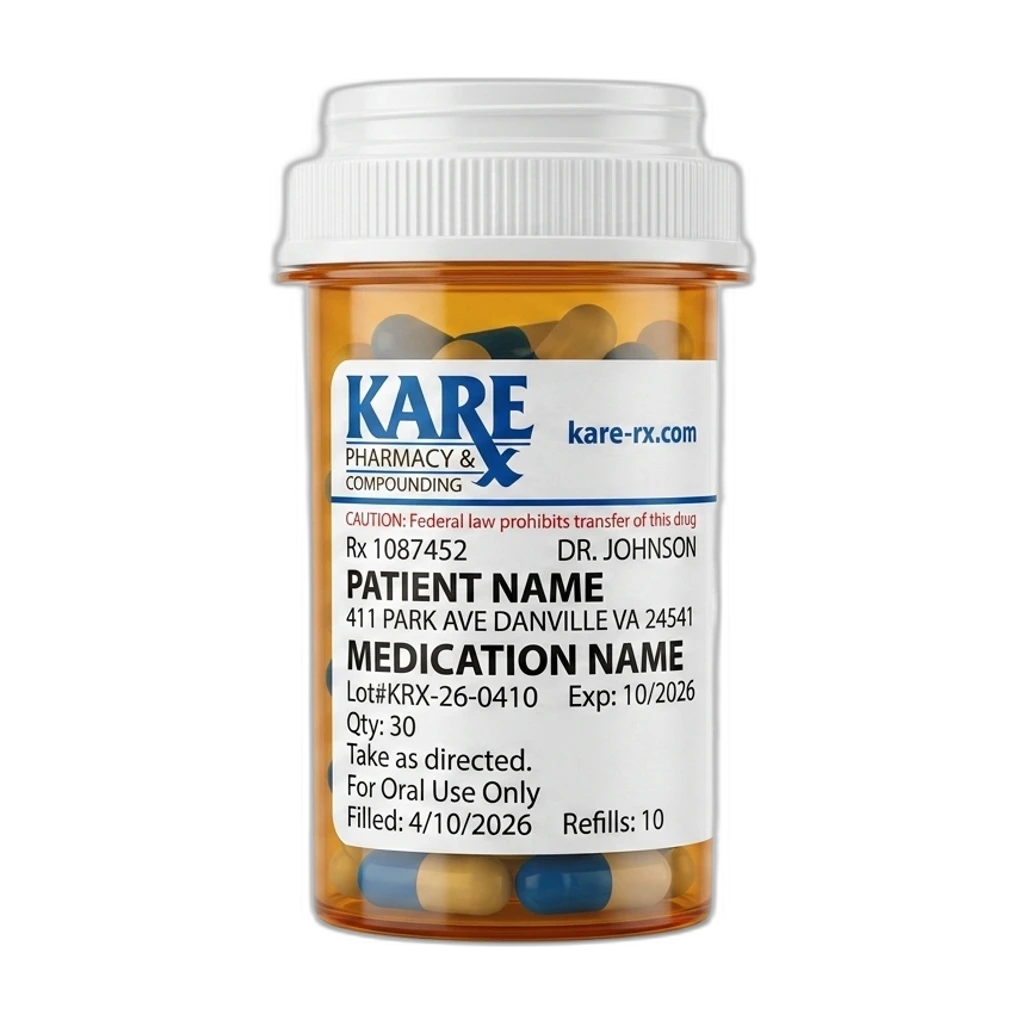
DMSA (Succimer) Capsules
DMSA (succimer) is a chelating agent that binds certain heavy metals, especially lead, so the body can remove them in the urine. This compounded product should only be used for an approved medical purpose under close medical supervision, with follow-up lab testing as directed.
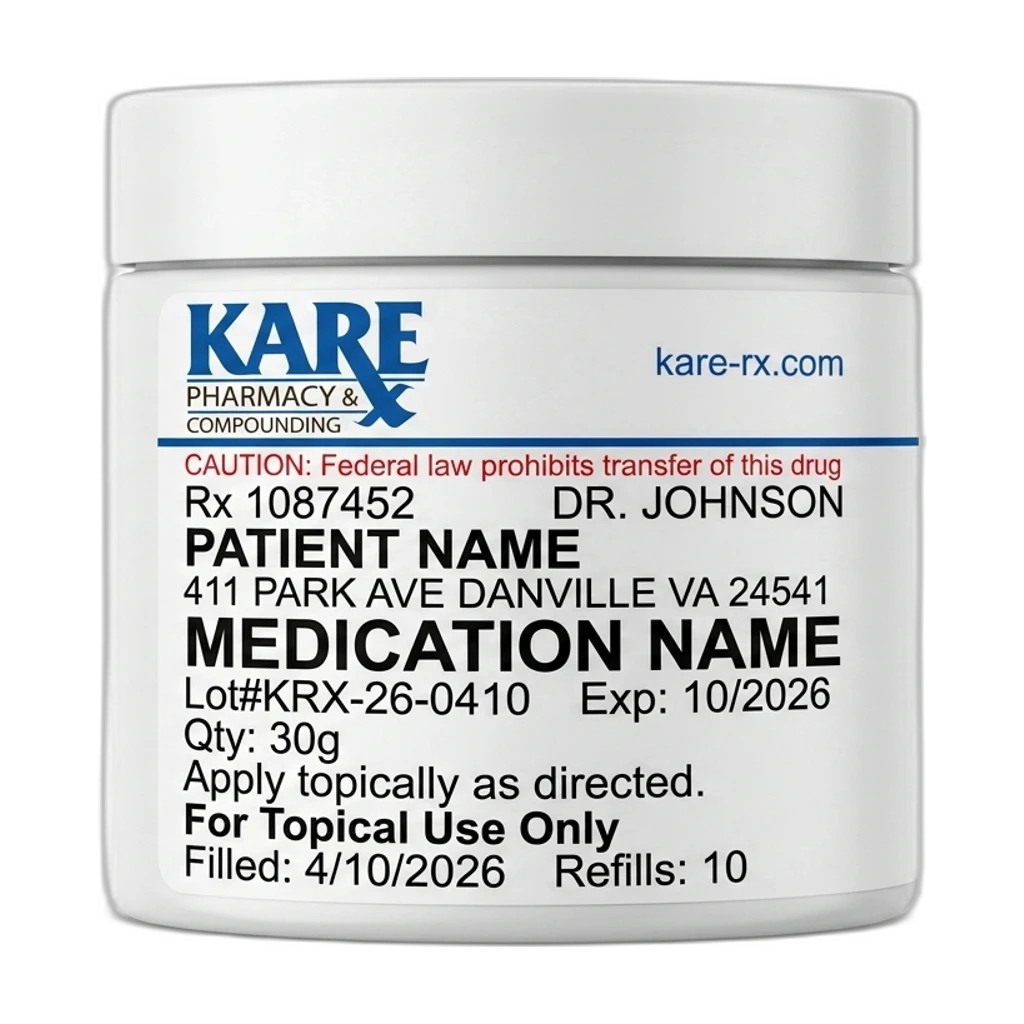
Nifedipine Ointment
Nifedipine ointment is a compounded topical medication used as directed by a licensed healthcare provider. It contains nifedipine, a calcium channel blocker, prepared in an ointment base for local application. Compounded products are not FDA-approved, and their safety, effectiveness, and quality may vary depending on the preparation. Use only as prescribed and follow all application instructions carefully.
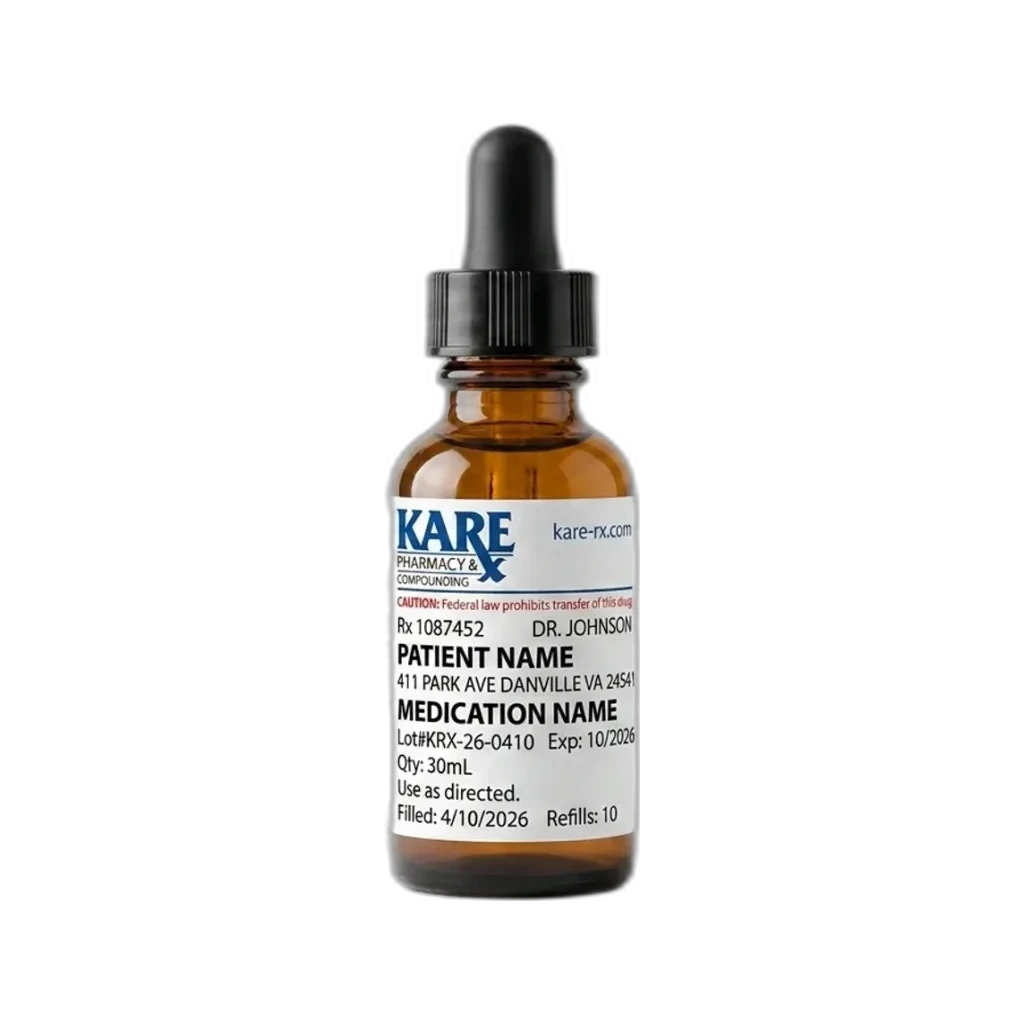
Terbinafine | Ibuprofen | DMSO Nail Solution
This topical solution combines terbinafine, ibuprofen, and DMSO to help treat fungal nail infections (onychomycosis). Terbinafine kills the fungus, ibuprofen eases pain and swelling, and DMSO helps the medicine soak deeper into the nail. Your healthcare provider may choose this compounded blend when standard treatments have not worked or when added pain relief is needed.
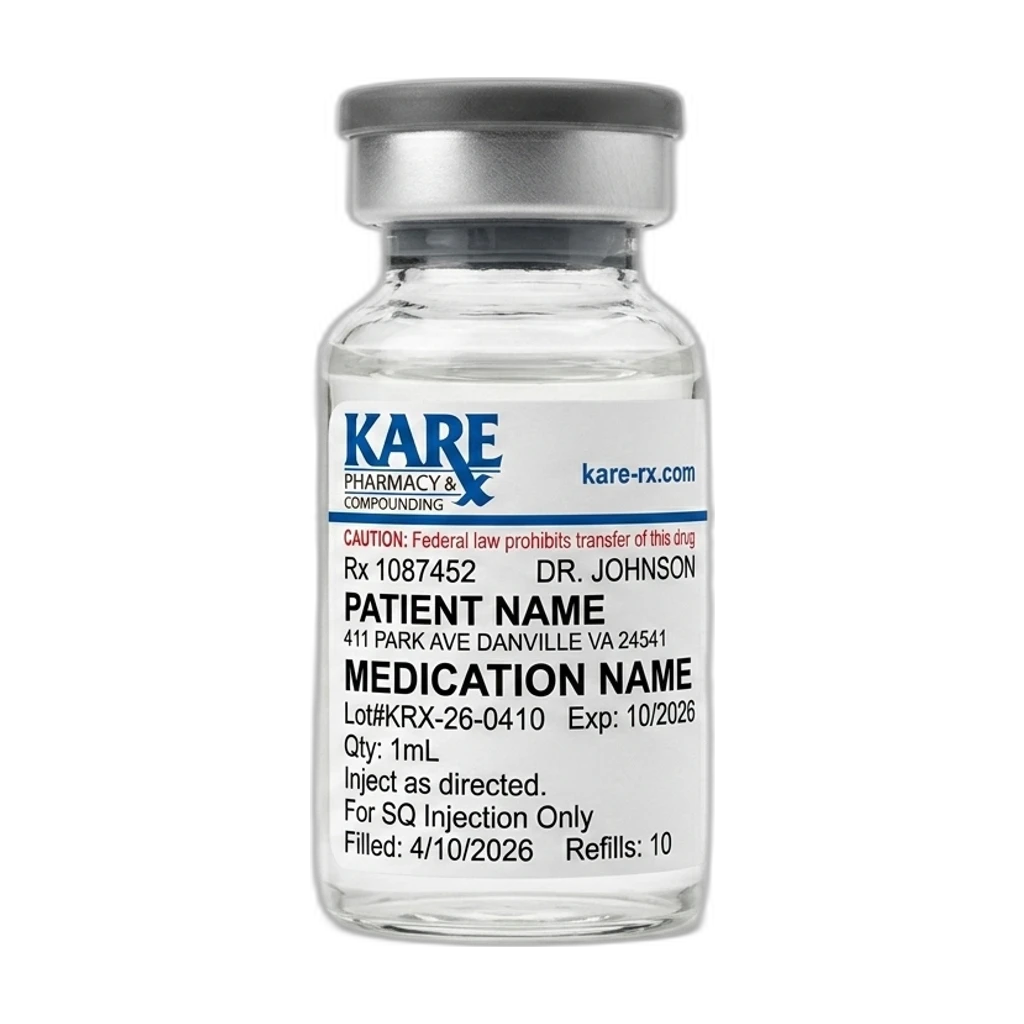
N-Acetyl-Cysteine Injection
N-Acetyl-Cysteine (NAC) Injection is a compounded sterile solution that supplies NAC at a 20% strength (200 mg/mL). NAC is widely used in hospitals to help protect the liver after an acetaminophen overdose and to thin mucus in the lungs. It acts as an antioxidant by raising glutathione levels in the body. This formulation contains a small amount of preservative so the vial can be used for multiple doses when handled with proper sterile technique.