
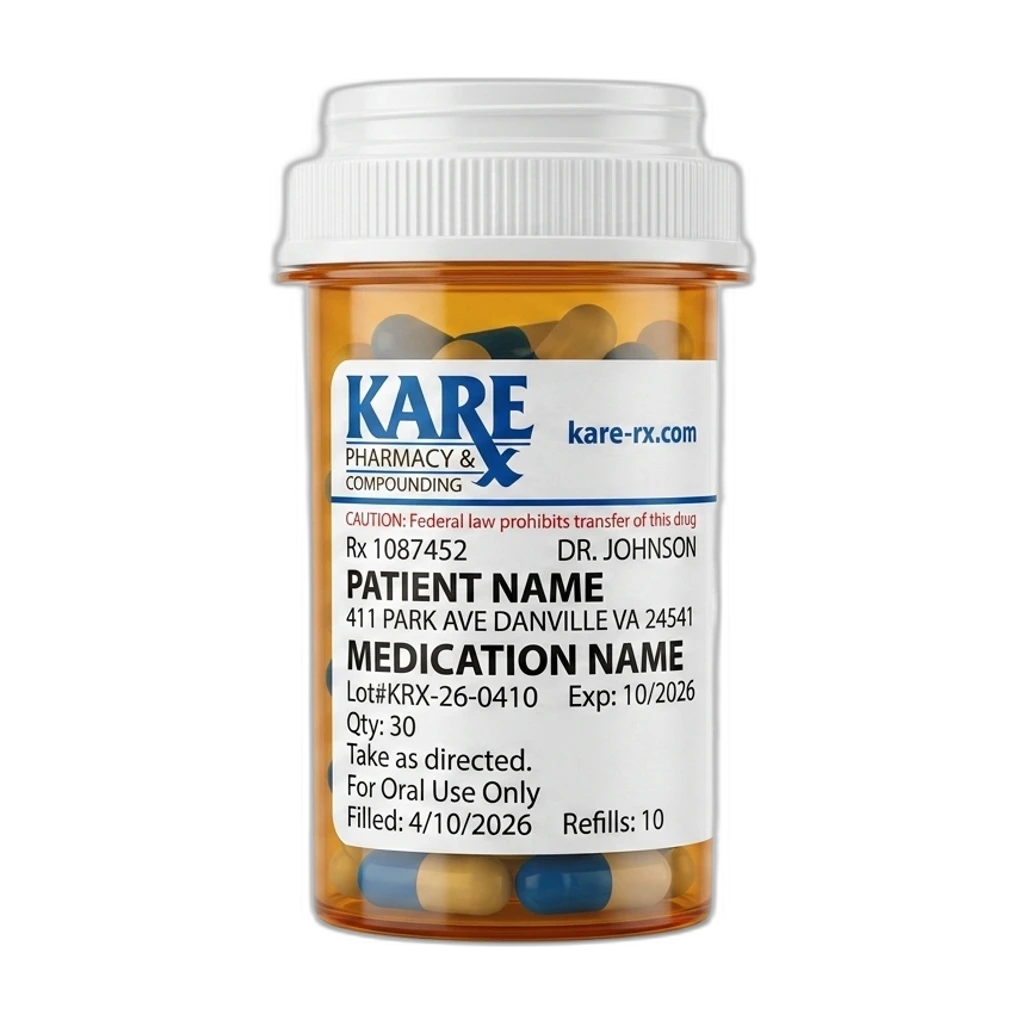
Pricing & Options
Sign in to see instant pricing
Available Strengths (2)·Most prescribed
Active Ingredients
Important Disclaimer
These statements have not been evaluated by the Food and Drug Administration (FDA). Compounded products are not FDA-approved and are not intended to diagnose, treat, cure, or prevent any disease. Individual results may vary. The information provided is for educational purposes only and should not be considered medical advice. Always consult with your healthcare provider before starting any new treatment.
Clinical Information
Evidence-based details for healthcare providers
Use as directed by your healthcare provider. If you miss a dose, take it as soon as you remember unless it is almost time for your next dose. Do not take two doses at the same time. Your healthcare provider will tell you how long to keep taking the medicine.
Betahistine is similar to the natural chemical histamine. It stimulates H1 receptors and blocks H3 receptors in the inner ear and brain. This widens small blood vessels, improves blood flow, and lowers the fluid pressure in the inner ear that can cause vertigo. Most people start to feel fewer dizzy spells within a few weeks, but full benefit may take 2–3 months. Each dose works for about 8–12 hours.
Do not use if you are allergic to betahistine or any capsule ingredient (can cause serious allergic reaction). Do not use if you have a rare tumor called pheochromocytoma because the drug can raise blood pressure. Avoid if you have an active stomach ulcer or severe asthma unless your provider decides the benefits outweigh the risks.
Betahistine may not work as well if you take antihistamines like diphenhydramine (Benadryl) or loratadine (Claritin); try to separate them or ask your provider. Monoamine oxidase inhibitors (MAOIs) used for depression, such as phenelzine (Nardil), can raise betahistine levels and side-effect risk—tell your doctor if you take them. Alcohol can add to stomach upset and dizziness. Let your provider know about all medicines, vitamins, and herbal products you use.
Very common (may affect more than 1 in 10 people): mild headache. Common (affects 1–10 in 100 people): nausea, indigestion, stomach pain, bloating. Uncommon (affects 1–10 in 1,000 people): rash, itching, hives. Rare but serious: severe allergic reaction with swelling of face or throat—call 911. Most stomach side effects improve if you take the capsule with food.
Store at room temperature (68-77°F, 20-25°C) in a dry place away from heat and direct light. Keep capsules in their original tightly closed container. Do not store in the bathroom or kitchen where moisture is high. Keep out of reach of children and pets. Safely dispose of unused or expired capsules through a pharmacy take-back program or mix with used coffee grounds in a sealed bag before throwing in the trash.
Frequently Asked Questions
How long before I feel better?
Some people notice fewer dizzy spells within 2–4 weeks, but it can take up to 3 months for full benefit. Keep taking it every day as directed even if improvement is slow.
Should I take the capsule with food?
Yes, taking betahistine with a small meal or snack can help prevent stomach upset. Swallow the capsule whole with a glass of water.
Can I use allergy medicines at the same time?
Regular antihistamines can reduce how well betahistine works. If you need an allergy medicine, ask your healthcare provider or pharmacist for advice on timing or alternatives.
Is this medicine safe during pregnancy or breastfeeding?
There is limited information on betahistine use in pregnancy or while nursing. Tell your provider if you are pregnant, planning a pregnancy, or breastfeeding so you can weigh risks and benefits together.
What if I feel dizzy after a missed dose?
Take the missed capsule as soon as you remember unless it is close to your next scheduled dose. Do not double doses. If dizziness returns, resume your regular schedule and contact your provider if symptoms persist.
Do I have to avoid certain foods or drinks?
Betahistine does not have strict food limits, but heavy alcohol use can worsen dizziness and stomach irritation. Drinking plenty of water and eating balanced meals may help reduce vertigo episodes.
Related Products
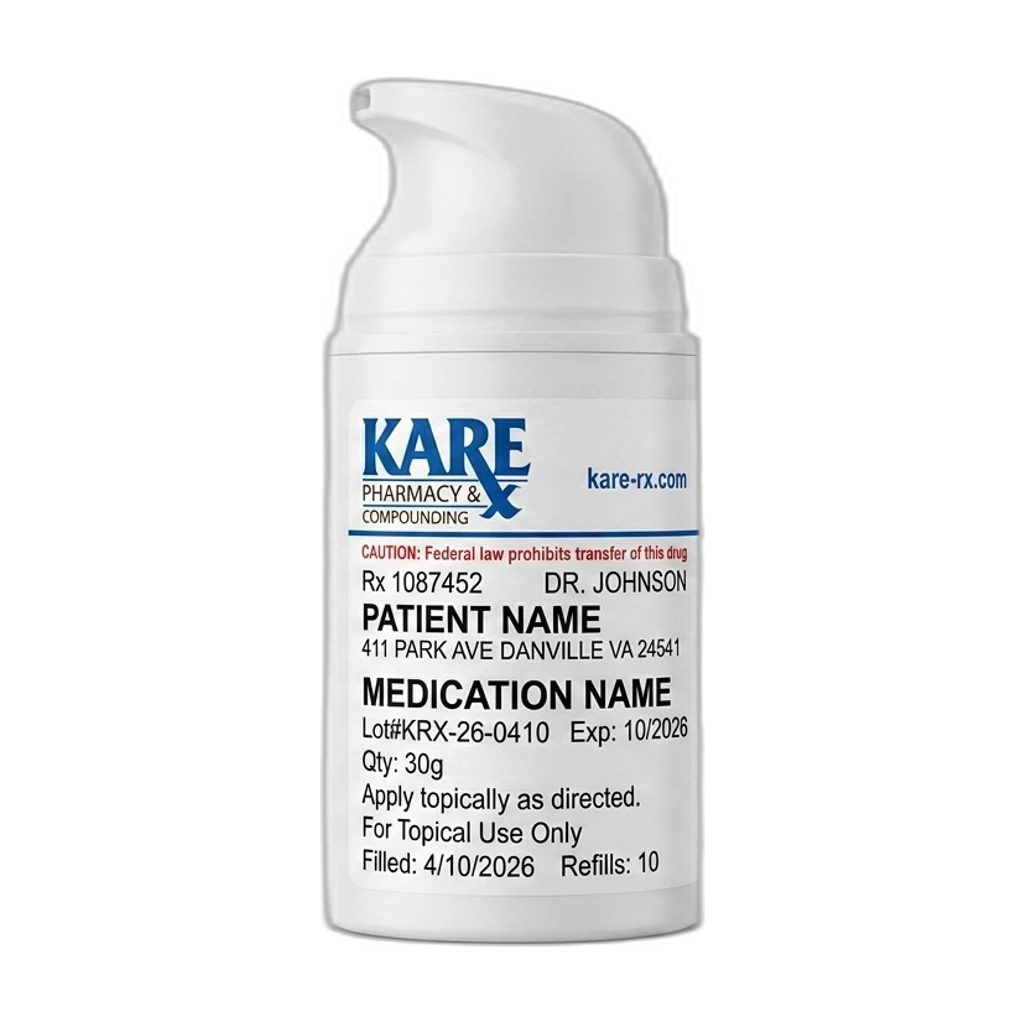
Diltiazem | Lidocaine Cream
A compounded topical cream that contains diltiazem and lidocaine. It is commonly prescribed to help relax the internal anal muscle and reduce pain in patients with anal fissures. Diltiazem helps lower muscle tightness in the area, while lidocaine provides temporary numbing for pain relief. This is a compounded medication and should be used only as directed by a licensed healthcare provider.
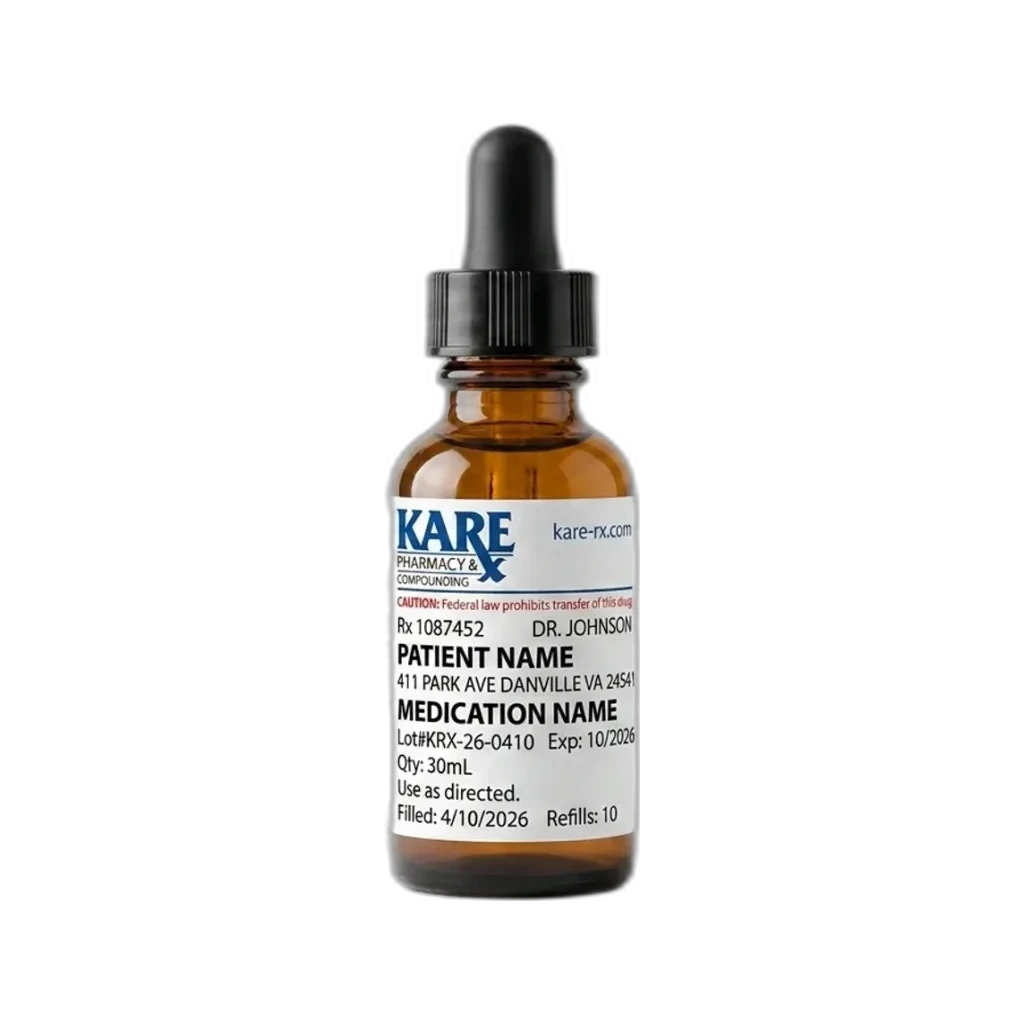
Vancomycin Ear Solution
Vancomycin ear solution is a compounded liquid medication used in the ear canal when a healthcare provider believes it is appropriate for certain bacterial ear infections. It is made for topical ear use and is intended to deliver vancomycin directly to the affected area. This compounded product is not the same as an FDA-approved commercial ear drop, so it should be used only under the care of a licensed healthcare provider.
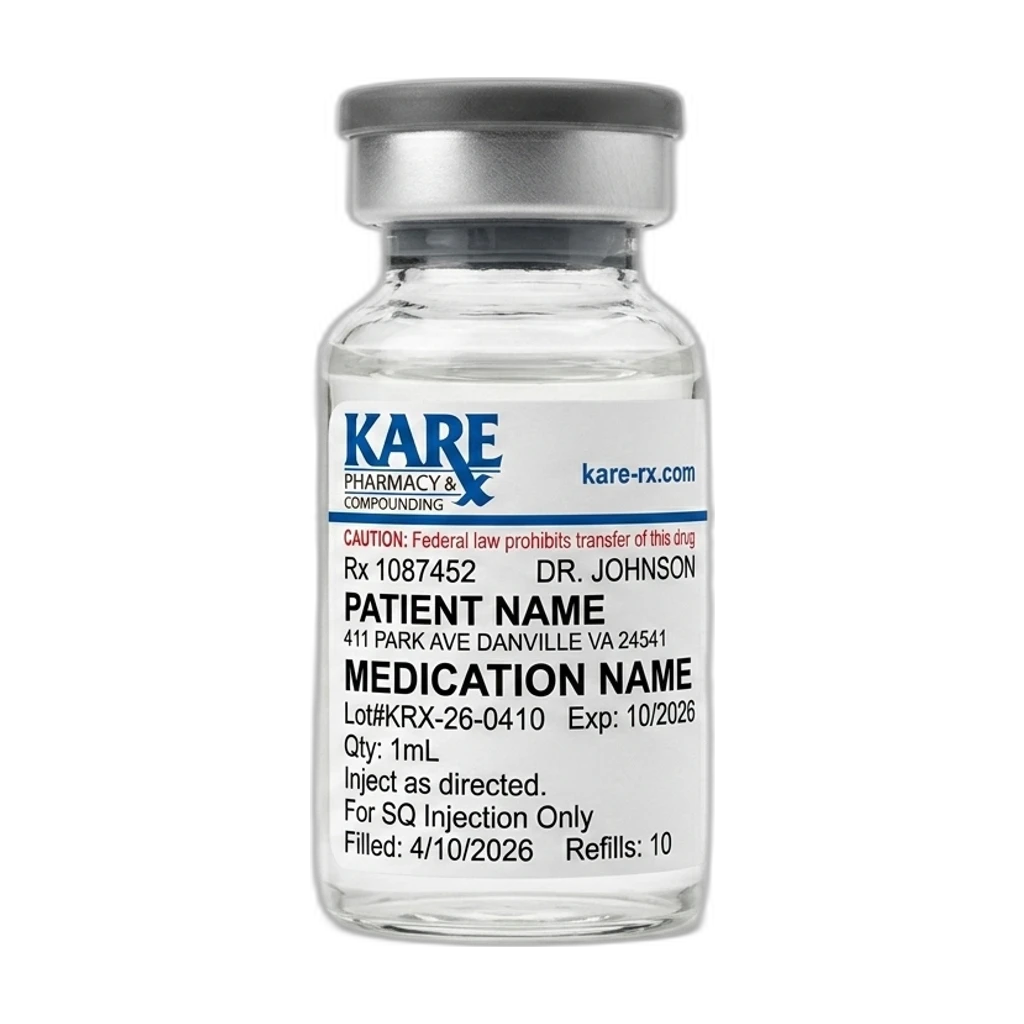
N-Acetyl-Cysteine Injection
N-Acetyl-Cysteine (NAC) Injection is a compounded sterile solution that supplies NAC at a 20% strength (200 mg/mL). NAC is widely used in hospitals to help protect the liver after an acetaminophen overdose and to thin mucus in the lungs. It acts as an antioxidant by raising glutathione levels in the body. This formulation contains a small amount of preservative so the vial can be used for multiple doses when handled with proper sterile technique.
Vancomycin Ophthalmic Solution
Vancomycin Ophthalmic Solution is a compounded sterile eye drop used when a healthcare provider needs vancomycin in the eye. It is commonly used for certain serious bacterial eye infections caused by germs that may not respond well to other antibiotics. This product should be used only under the direction of a licensed healthcare provider and is not appropriate for viral, fungal, or allergy-related eye problems.