
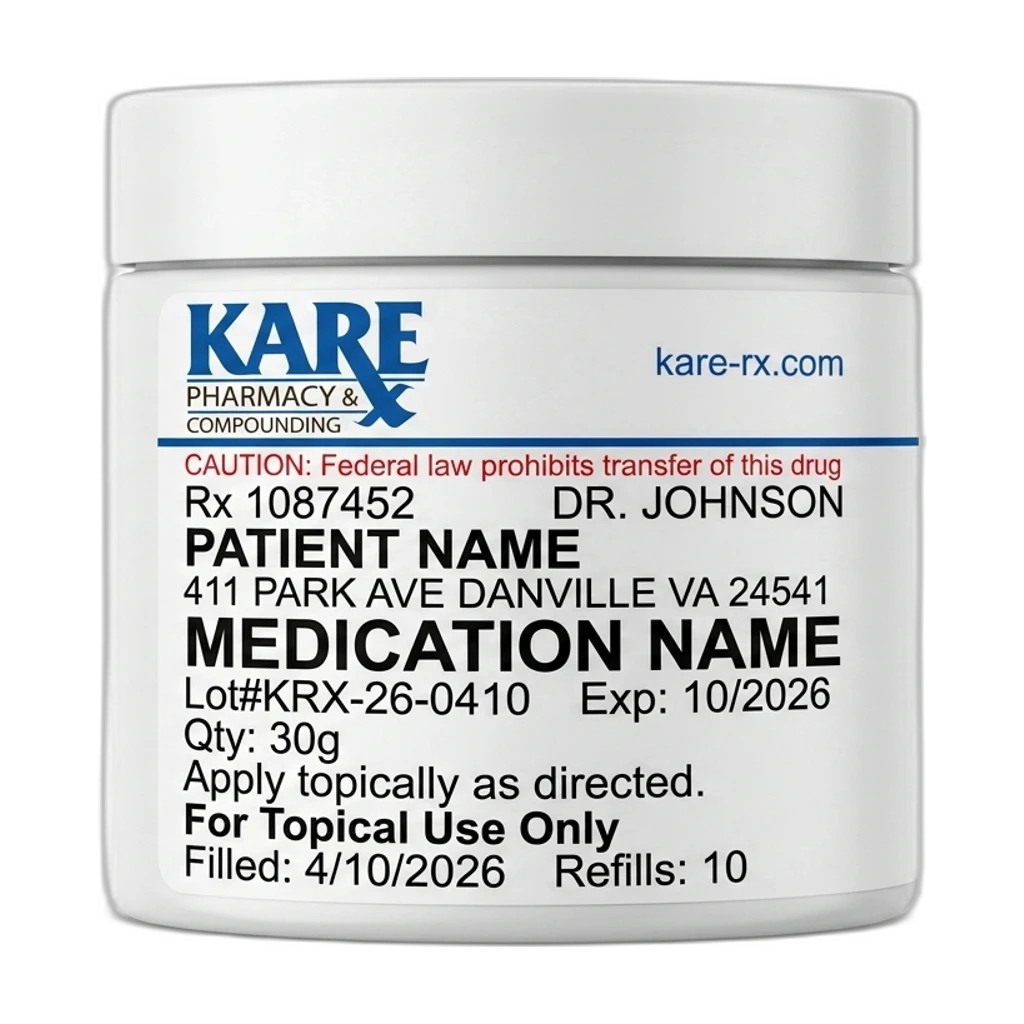
Pricing & Options
Sign in to see instant pricing
Available Strength
Active Ingredients
Important Disclaimer
These statements have not been evaluated by the Food and Drug Administration (FDA). Compounded products are not FDA-approved and are not intended to diagnose, treat, cure, or prevent any disease. Individual results may vary. The information provided is for educational purposes only and should not be considered medical advice. Always consult with your healthcare provider before starting any new treatment.
Clinical Information
Evidence-based details for healthcare providers
Use as directed by your healthcare provider. Apply a small amount to the affected area exactly as instructed. Wash your hands before and after use unless your hands are the treated area. If you miss an application, use it when you remember unless it is almost time for your next one. Do not apply extra to make up for a missed dose.
This medication works by relaxing smooth muscle and widening small blood vessels in the area where it is applied. Nifedipine blocks calcium from entering muscle cells, which lowers muscle tightness and may improve blood flow. When used topically, it is meant to act mainly at the treatment site, which may help reduce pain and muscle spasm over time. Some people notice symptom relief within days, but full benefit may take several days to a few weeks depending on the condition being treated and how regularly it is used.
Do not use if you are allergic to nifedipine or any ingredient in the ointment. Do not use on broken skin, infected skin, or large body areas unless your healthcare provider specifically tells you to do so, because this may increase absorption and side effects. Do not use if you have very low blood pressure, severe dizziness, or a history of strong reactions to calcium channel blockers unless your prescriber says it is safe. Ask your healthcare provider before use if you are pregnant, planning pregnancy, or breastfeeding. Use in children should only occur if specifically prescribed by a qualified healthcare provider.
This medication may interact with blood pressure medicines and other drugs that lower blood pressure, which could increase dizziness, lightheadedness, or fainting. Use caution with calcium channel blockers, beta blockers, nitrates, and medicines for chest pain or high blood pressure. Strong CYP3A4 inhibitors or inducers, such as certain antibiotics, antifungals, seizure medicines, or grapefruit products, are more important with oral nifedipine, but tell your healthcare provider about all medicines you take in case some of the drug is absorbed through the skin. Alcohol may worsen dizziness or headache in some people. Tell your provider about prescription drugs, over-the-counter medicines, vitamins, and herbal supplements before starting use.
Common side effects may include mild burning, itching, redness, or irritation where the ointment is applied. Some people may also get headache, flushing, lightheadedness, or dizziness if enough medicine is absorbed into the body. These effects are often mild and may improve as your body adjusts or if less ointment is used, but you should contact your healthcare provider if they continue or get worse. Rare but serious side effects include severe dizziness, fainting, chest pain, fast heartbeat, swelling, rash, or signs of an allergic reaction such as trouble breathing or swelling of the face, lips, or throat. Get medical help right away if serious symptoms occur.
Store at room temperature, preferably 68-77 degrees F (20-25 degrees C), unless your pharmacy label says otherwise. Keep the ointment tightly closed and protected from heat, moisture, and direct light. Do not store in the bathroom, near sinks, or in hot cars. Keep out of reach of children and pets. Do not use after the beyond-use date on the prescription label. Dispose of unused or expired medication through a pharmacy take-back program when available.
Frequently Asked Questions
What is nifedipine ointment used for?
This compounded ointment is used for certain provider-directed topical treatments where relaxing local smooth muscle and improving blood flow may help symptoms. Because it is compounded, the exact reason for use depends on your prescription. Ask your healthcare provider or pharmacist if you are not sure why it was prescribed for you.
How soon will I notice improvement?
Some people notice relief within a few days, while others may need several days to a few weeks. Results depend on the condition being treated and how often you use it. Keep using it exactly as directed unless your healthcare provider tells you to stop.
Can this ointment cause dizziness or headache?
Yes. Even though it is applied to the skin, a small amount may be absorbed and may cause headache, flushing, or dizziness in some people. If this happens, avoid driving or standing up quickly until you know how it affects you, and contact your healthcare provider if symptoms are strong or do not go away.
Can I use nifedipine ointment with my blood pressure medicine?
Use caution and tell your healthcare provider about all blood pressure or heart medicines you take. Using them together may increase the chance of low blood pressure, dizziness, or fainting. Do not start or stop any medicine without checking with your prescriber.
What should I do if I miss an application?
Apply it when you remember unless it is almost time for your next scheduled application. If it is close to the next one, skip the missed application and return to your usual schedule. Do not apply extra ointment to make up for a missed dose.
How should I store this compounded ointment?
Keep it at room temperature and away from heat, moisture, and direct light. Keep the container tightly closed and do not store it in the bathroom. Always check the pharmacy label for any special storage directions because compounded products may vary.
Related Products
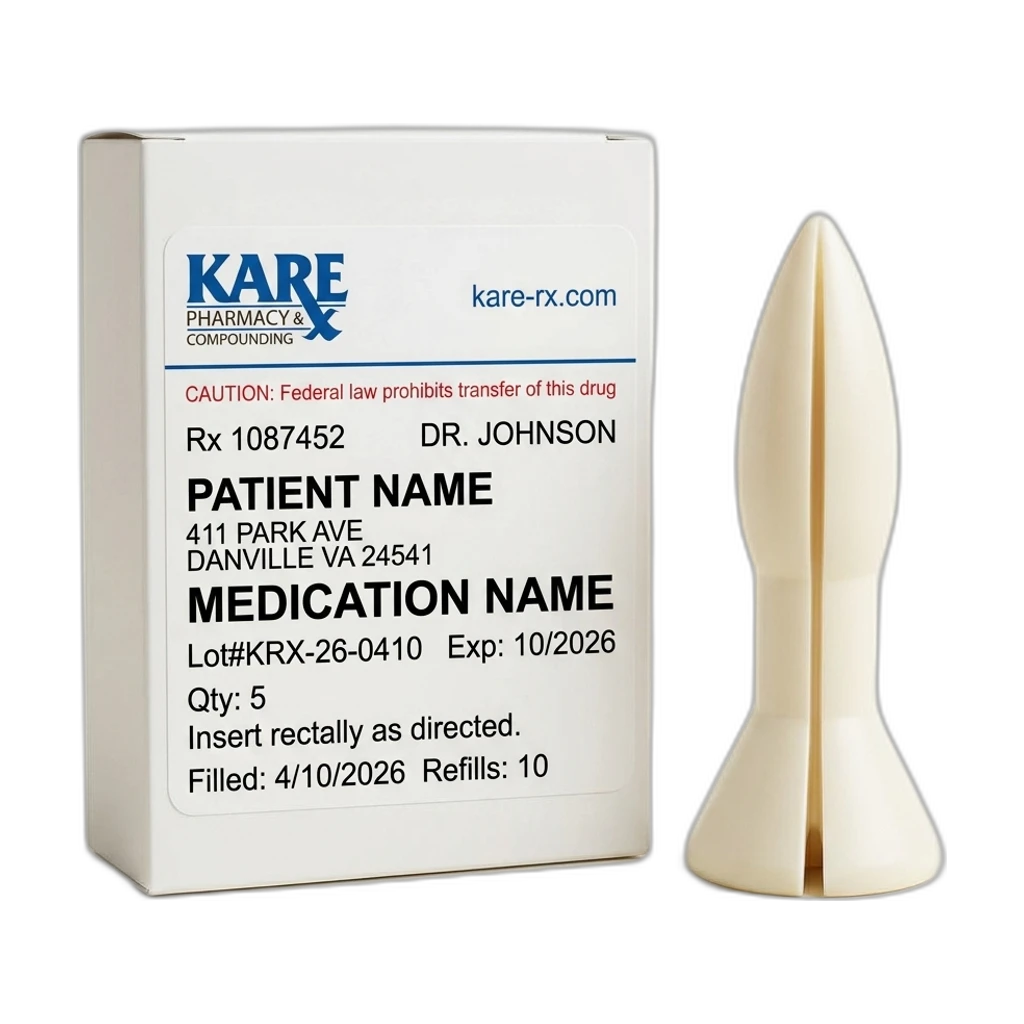
Hydrocortisone | Lidocaine | Nifedipine Rectal Rocket
This compounded suppository (often called a "rectal rocket") combines hydrocortisone 3%, lidocaine 2%, and nifedipine 0.3% to help ease pain, swelling, and itching caused by hemorrhoids or anal fissures. The special shape lets part of the suppository stay outside the anus while the rest sits inside, giving medicine to both internal and external areas at the same time. Your healthcare provider may choose this product when creams or over-the-counter treatments are not enough.
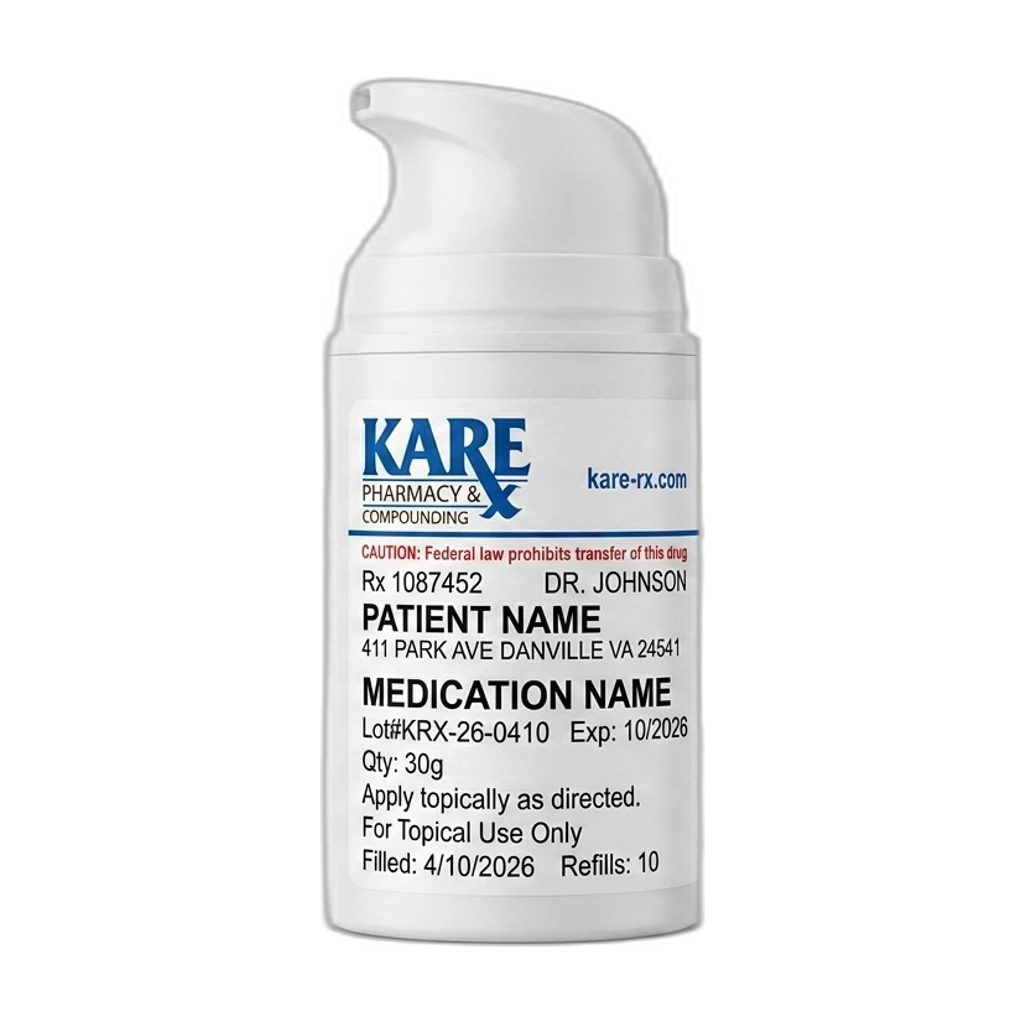
Nifedipine | Lidocaine | Hydrocortisone Cream
This compounded rectal cream combines nifedipine, lidocaine, and hydrocortisone to ease pain, itch, and swelling caused by anal fissures or hemorrhoids. Nifedipine relaxes the tight muscles around the anus to improve blood flow and speed healing. Lidocaine numbs the area for quick pain relief. Hydrocortisone lessens redness, swelling, and itching.
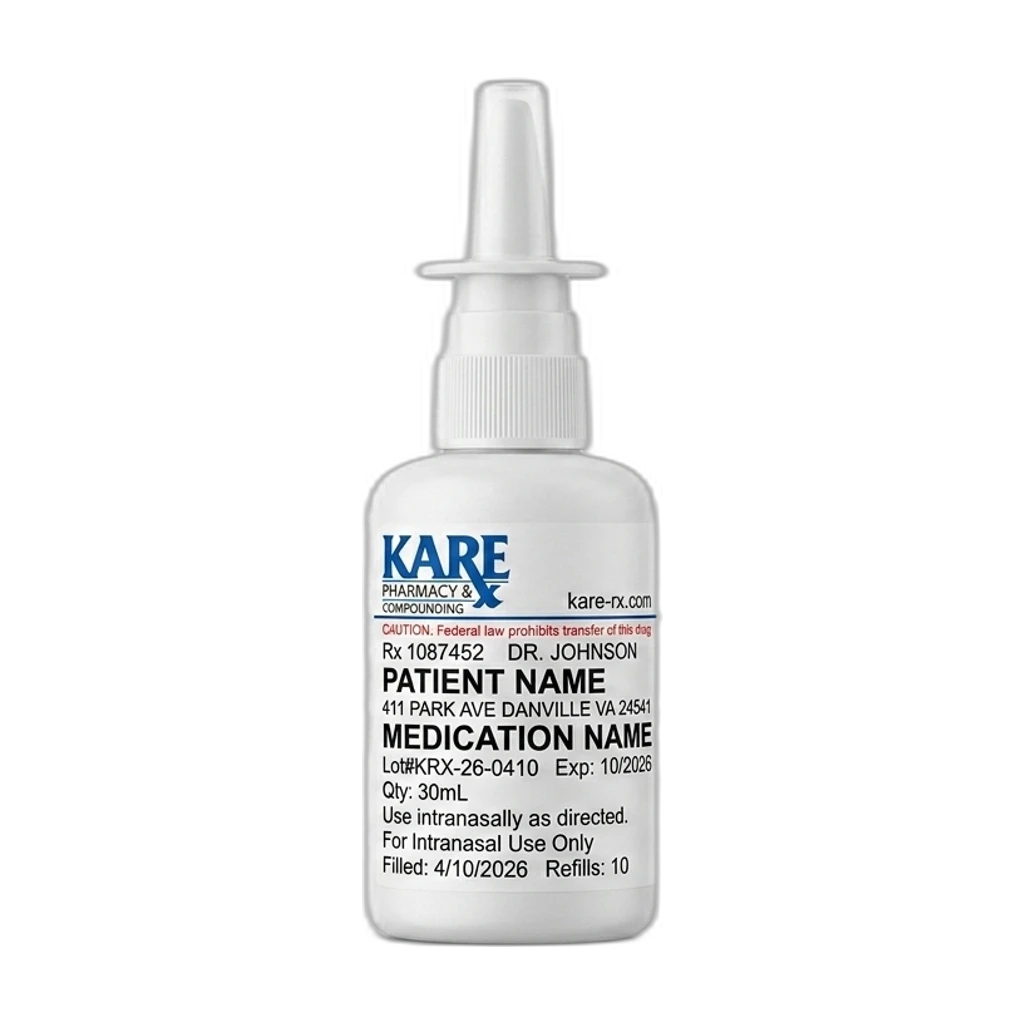
Budesonide Sinus Rinse
Budesonide sinus rinse is a compounded nasal preparation that an ear, nose, and throat specialist may prescribe for ongoing sinus inflammation. It combines a corticosteroid treatment with the process of rinsing the nasal passages. Some treatment plans include it after sinus surgery, when the surgeon decides the area is ready for irrigation. Your directions depend on the exact preparation and rinse device. This medicine is intended for the nose. Follow-up care helps your specialist check symptoms, healing, and possible steroid-related effects.
Ketamine Nasal Spray
Ketamine Nasal Spray is a compounded prescription medicine prepared by a licensed pharmacy. It delivers ketamine through the nasal passages under the direction of your healthcare provider. Ketamine is an NMDA-receptor blocker first approved for anesthesia. When prescribed, it may help manage certain pain or mood conditions. This compounded product has not been reviewed by the FDA for safety or effectiveness, but it is made under USP <795> standards and state Board of Pharmacy rules.