
Pricing & Options
Sign in to see instant pricing
Available Strengths (10)
Active Ingredients
Important Disclaimer
These statements have not been evaluated by the Food and Drug Administration (FDA). Compounded products are not FDA-approved and are not intended to diagnose, treat, cure, or prevent any disease. Individual results may vary. The information provided is for educational purposes only and should not be considered medical advice. Always consult with your healthcare provider before starting any new treatment.
Clinical Information
Evidence-based details for healthcare providers
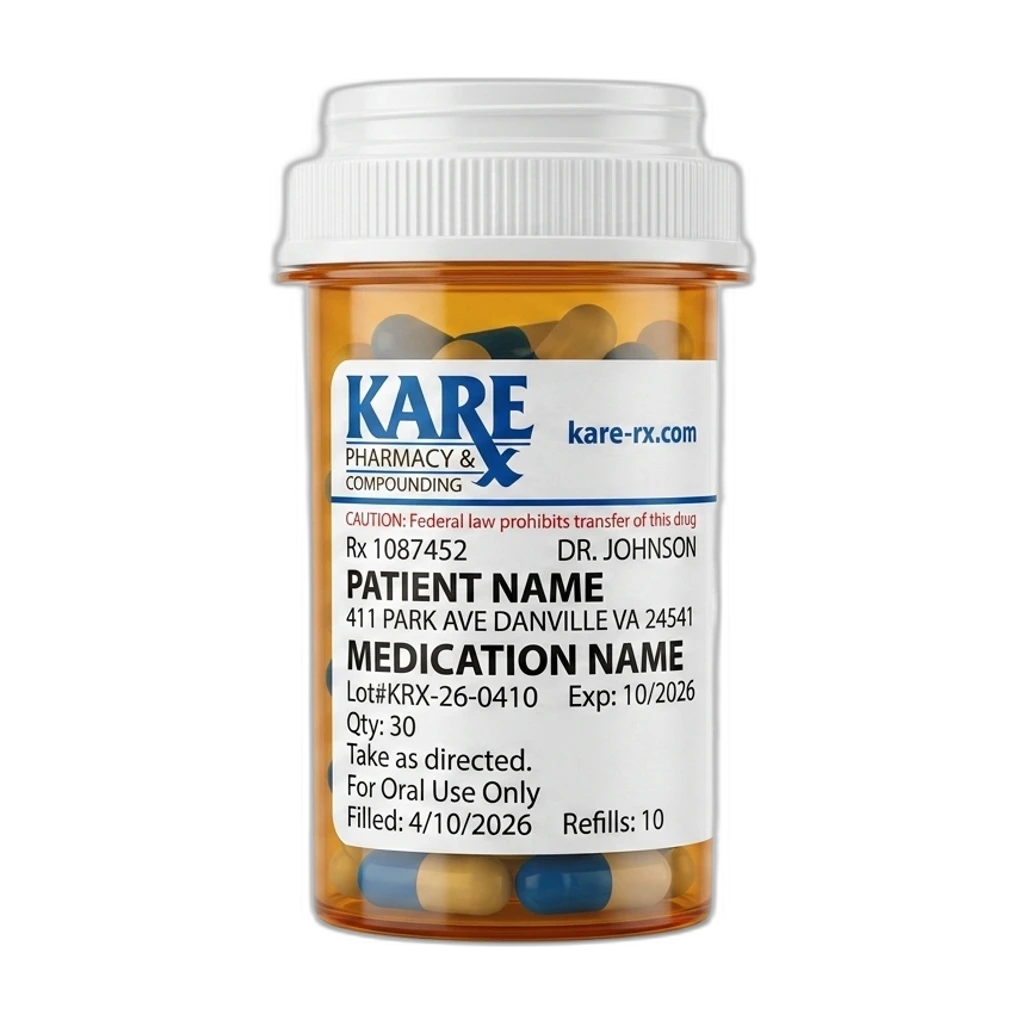
Use as directed by your healthcare provider. Swallow the capsule with a full glass of water on an empty stomach. If you miss a dose, take it as soon as you remember unless it is almost time for your next dose. Do not take two doses at the same time. Your provider will decide if and when you need a repeat dose.
Ivermectin attaches to special channels (chloride channels) in the nerve and muscle cells of parasites. This action paralyzes and eventually kills the worms or insects. It starts working within a few hours, but you may feel better over one to two days as the parasites die. The effect in your body lasts about one to two weeks, which is why some infections need a second dose to clear any remaining parasites.
Do not use if you are allergic to ivermectin or any ingredients in this capsule (can cause severe rash or trouble breathing). Do not use if you weigh less than 33 pounds (15 kg) unless your doctor specifically prescribes it. Avoid use if you have severe liver disease, meningitis, or Loa loa eye worm infection, as serious brain or eye problems can occur. If you are pregnant, planning to become pregnant, or breastfeeding, talk to your provider before taking this medicine.
Ivermectin may increase effects of blood thinners like warfarin, raising bleeding risk. Strong antifungal drugs (ketoconazole, itraconazole), certain HIV medicines (ritonavir, saquinavir), and some antibiotics (clarithromycin) can raise ivermectin levels and increase side effects. Avoid taking valerian or St. John's wort without medical advice. Limit alcohol, because it can increase dizziness and strain the liver. Always tell your healthcare provider and pharmacist about every medicine, vitamin, or herbal product you use.
Very common (more than 1 in 10 people): itching, rash, and swollen lymph nodes—often a sign that parasites are dying. Common (1–10 in 100 people): dizziness, nausea, diarrhea, mild fever, muscle pain. Uncommon (1–10 in 1,000 people): low blood pressure, eye redness, liver enzyme increases. Rare but serious: severe skin reactions (Stevens-Johnson syndrome), seizures, severe dizziness that does not improve, yellowing of skin or eyes (possible liver injury). Most mild reactions improve within a few days. Seek medical help right away for severe rash, trouble breathing, or fainting.
Store at room temperature (68-77°F, 20-25°C) in the original tightly closed bottle. Keep away from heat, moisture, and direct light. Do not store in the bathroom or near the kitchen sink. Keep out of reach of children and pets. Do not use after the expiration date on the label. Return unused or expired capsules to a pharmacy take-back program, or mix them with used coffee grounds in a sealed bag before placing in household trash.
Frequently Asked Questions
When should I take my ivermectin capsule?
Take it on an empty stomach, at least 1 hour before or 2 hours after a meal, with a full glass of water. Taking it this way helps your body absorb the medicine better.
How long does ivermectin take to work?
It starts to paralyze parasites within hours, but you may notice relief in 1–2 days as the worms die. Your provider may order lab tests or a second dose after 1–2 weeks to be sure the infection is gone.
What if I feel worse after taking the capsule?
Mild fever, itching, or swollen glands often mean the parasites are dying and usually pass in a few days. If symptoms are severe, last longer than a week, or you develop trouble breathing or rash, call your doctor right away.
Can I drink alcohol while on ivermectin?
Small amounts of alcohol are unlikely to cause harm, but drinking heavily can add to dizziness and stress your liver. It’s safest to limit or avoid alcohol until your treatment is finished.
Is ivermectin safe in pregnancy or while breastfeeding?
Data in humans are limited. Tell your provider if you are pregnant, think you might be, or are breastfeeding. Your provider will weigh the benefits and risks before prescribing.
Do I need to take this medicine with food?
No. It works best on an empty stomach. Swallow the capsule with water without chewing.
Can ivermectin interact with my other medications?
Yes. Blood thinners, certain antifungals, some HIV medicines, and antibiotics can raise ivermectin levels or increase bleeding risk. Always show your medication list to your pharmacist and provider.
How should I store my capsules when traveling?
Keep them in their original bottle in a cool, dry bag. Avoid leaving them in a hot car or in direct sunlight. If the bottle feels warm or damp, move it to a cooler spot as soon as possible.
Related Products
Ketotifen Capsules
Ketotifen capsules are an oral medication used in some settings for allergy-related conditions. Ketotifen helps reduce the release of chemicals in the body that can trigger allergy symptoms. This compounded product should be used only under the supervision of a licensed healthcare provider. Compounded medications are prepared to meet an individual patient's needs and are not FDA-approved for safety, effectiveness, or quality in the same way as approved drug products.
L-Proline Injection
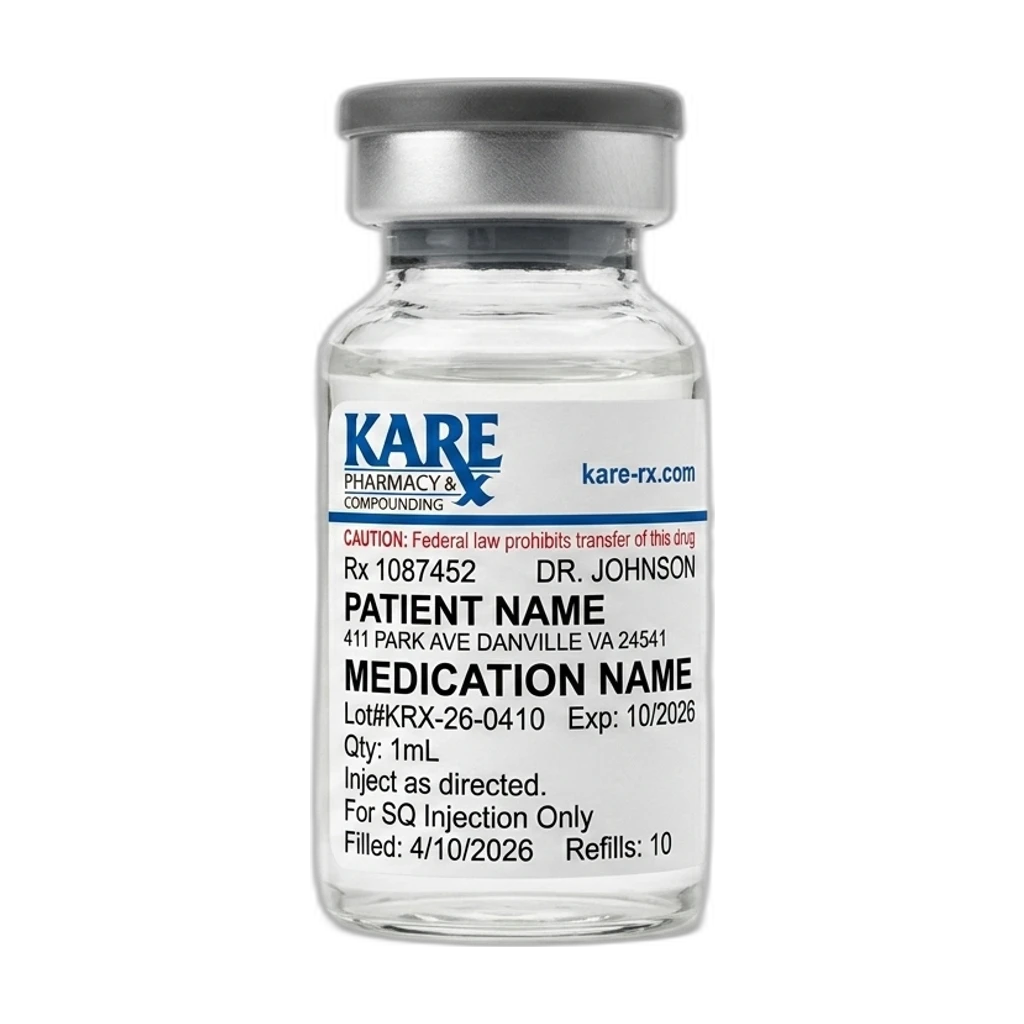
L-Proline Injection is a sterile amino acid solution that supplies 100 mg of L-proline in every milliliter. Proline is a building block of collagen and helps your body repair tissues. Healthcare providers sometimes use this injectable form when patients need extra proline and cannot take capsules by mouth.
Glutathione Injection
Glutathione Injection is a compounded sterile medication that contains glutathione, a natural antioxidant made in the body. It is prepared for injection use and may be prescribed by a licensed healthcare provider for patient-specific needs. This compounded product is not FDA-approved, and its safety and effectiveness depend on the prescribed formulation and proper use under medical supervision.
Myers Cocktail
Myers Cocktail is a sterile premixed injection that combines key vitamins and minerals often used to correct short-term nutrient gaps, support normal energy production, and promote healthy immune function. Each 10 mL single-dose vial contains a balanced blend of magnesium chloride, calcium gluconate, ascorbic acid, B-complex vitamins, and hydroxocobalamin B12. The solution is intended for slow intravenous (IV) administration only under the supervision of a licensed healthcare professional. By delivering nutrients directly into the bloodstream, the formulation avoids losses that can occur in the digestive tract and allows rapid achievement of targeted blood levels. This product is preservative-free.