
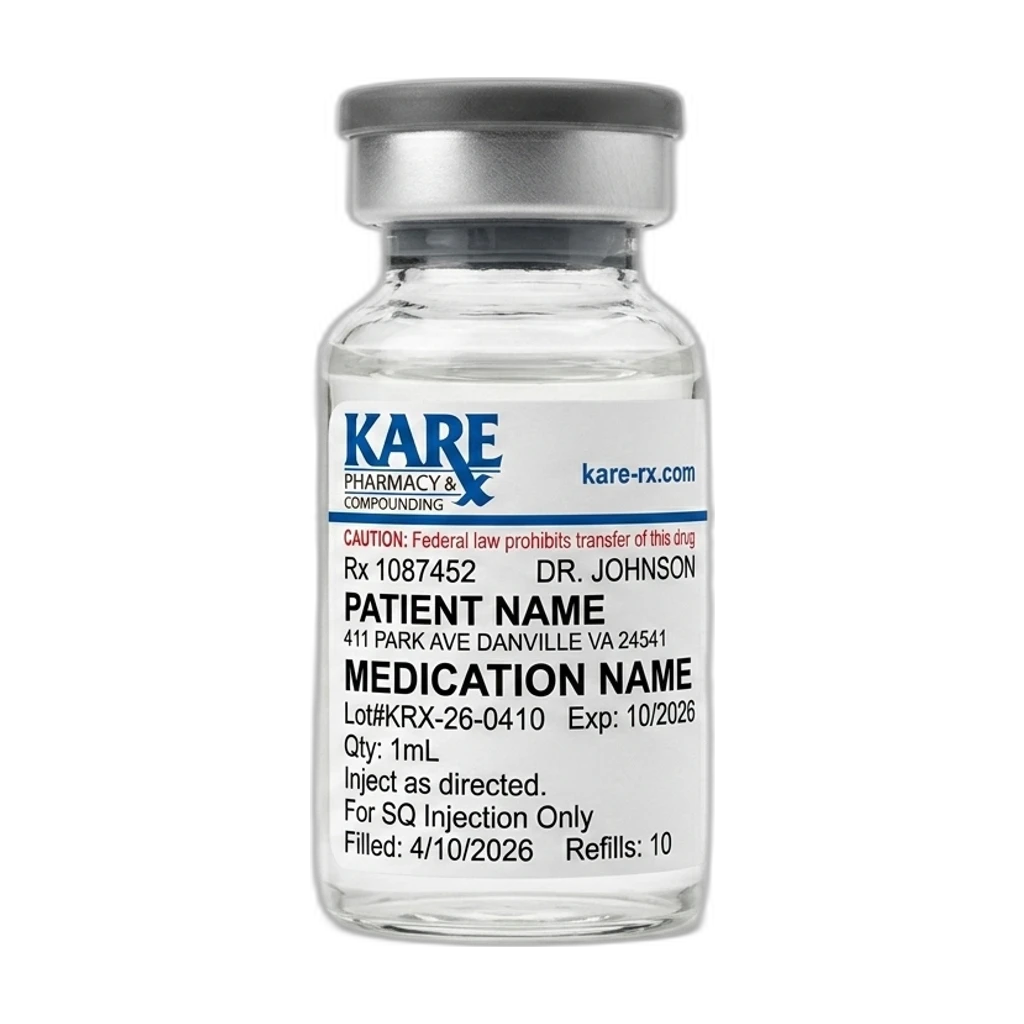
Pricing & Options
Sign in to see instant pricing
Available Strength
Active Ingredients
Important Disclaimer
These statements have not been evaluated by the Food and Drug Administration (FDA). Compounded products are not FDA-approved and are not intended to diagnose, treat, cure, or prevent any disease. Individual results may vary. The information provided is for educational purposes only and should not be considered medical advice. Always consult with your healthcare provider before starting any new treatment.
Clinical Information
Evidence-based details for healthcare providers
Use only as directed by your healthcare provider. The dose, injection route, and treatment schedule depend on why you are using it and your medical history. If you miss a scheduled dose, contact your provider for advice. Do not change the dose or use it more often than prescribed.
Glutathione is a natural substance found in your cells. It works as an antioxidant, which means it helps protect cells from damage caused by unstable molecules called free radicals. It also helps the body with normal detox processes in the liver and supports how some vitamins and enzymes work. After injection, it is available in the body more quickly than oral forms, but how fast patients notice benefits can vary based on the reason for treatment. Some people may notice effects within days to weeks, while other uses may have less clear or less predictable results. The length of effect depends on the dose, how often it is used, and your body's own metabolism.
Do not use if you have had an allergic reaction to glutathione or any ingredient in the compounded product. Do not use if the solution is cloudy, leaking, discolored, or contains particles. Do not use if you are pregnant, planning to become pregnant, or breastfeeding unless your healthcare provider decides it is clearly needed, because safety data are limited. Do not use in children unless specifically prescribed by a qualified healthcare provider. Use with extra caution if you have asthma, severe liver disease, kidney disease, or a history of sulfite sensitivity if a preserved product contains preservatives that may trigger reactions.
Glutathione does not have many well-proven major drug interactions, but caution is still needed. Tell your healthcare provider about all prescription drugs, over-the-counter medicines, vitamins, and supplements you use. Moderate interaction risk may exist with chemotherapy medicines, because antioxidants may affect how some cancer treatments work; patients receiving cancer treatment should only use glutathione if their oncology team approves it. Use caution with other injectable products, liver support supplements, or high-dose antioxidants such as vitamin C, vitamin E, N-acetylcysteine, and alpha-lipoic acid, because they may change effects or side effects. Preserved products may also contain ingredients that interact with sensitive patients. Alcohol and smoking may increase oxidative stress and may reduce the expected benefit of treatment.
Side effects can vary by dose, route, and patient sensitivity. Common side effects may include injection site pain, redness, swelling, mild nausea, headache, lightheadedness, or flushing. Less common effects may include stomach upset, rash, itching, or a temporary feeling of warmth. Rare but serious reactions can include trouble breathing, wheezing, chest tightness, severe dizziness, fainting, or severe allergic reaction with swelling of the face, lips, tongue, or throat. People with asthma may have a higher risk of breathing-related reactions. Injection site symptoms often improve within hours to a few days. Get urgent medical help right away for signs of an allergic reaction or breathing problems.
Store under refrigeration at 36-46 degrees F / 2-8 degrees C unless your pharmacy label says otherwise. Keep in the original light-protective container and do not freeze. Protect from heat, direct light, and shaking. Because this is a sterile compounded medication, handle carefully and keep the cap and rubber stopper clean. Keep out of reach of children and pets. Do not use after the beyond-use date on the label. Dispose of unused or expired medication, needles, and syringes through a pharmacy take-back program or an approved sharps disposal container.
Frequently Asked Questions
What is glutathione injection used for?
Glutathione is a natural antioxidant that helps protect cells from damage. A healthcare provider may prescribe the injection for patient-specific needs, but compounded products should only be used under medical supervision. Ask your provider what benefit they expect for your treatment plan.
How quickly does glutathione injection work?
Because it is given by injection, glutathione reaches the body faster than oral forms. Still, how soon you notice any benefit depends on why you are using it, your dose, and your overall health. Some people notice changes within days to weeks, while others may not notice clear effects.
What is the difference between preservative-free and preserved glutathione?
Preservative-free products do not contain added preservatives and may be preferred for some patients with sensitivities. Preserved products may help with product stability in certain settings, but they may not be right for everyone. Your provider and pharmacy choose the best option based on your prescription and clinical needs.
Can I use glutathione injection if I am pregnant or breastfeeding?
You should only use it if your healthcare provider believes the potential benefit is greater than the risk. There is limited safety information in pregnancy and breastfeeding. Always tell your provider if you are pregnant, trying to become pregnant, or nursing.
What side effects should I watch for after my injection?
Mild effects can include soreness where the injection was given, headache, nausea, flushing, or dizziness. Serious reactions are rare but can include rash, wheezing, trouble breathing, or swelling of the face or throat. Get emergency help right away if you have any signs of an allergic reaction.
Can glutathione interact with my other medicines or supplements?
It can, especially if you are using chemotherapy, other injectable medicines, or high-dose antioxidant supplements. Tell your provider and pharmacist about everything you take, including vitamins, herbs, and over-the-counter products. Do not start new supplements without checking first.
How should I store my glutathione injection at home?
Store it in the refrigerator at 36-46 degrees F / 2-8 degrees C unless your pharmacy label says something different. Keep it protected from light and do not freeze it. Do not use the medication if it looks cloudy, has particles, or is past the labeled beyond-use date.
What should I do if I miss a scheduled dose?
Contact your healthcare provider or pharmacy for advice. Do not give yourself extra medication or double your next dose unless you are told to do so. Your provider may adjust your schedule based on your treatment plan.
Related Products
L-Lysine Injection
Sterile injectable solution that supplies L-lysine, an essential amino acid. It is used when oral intake is not possible or not enough, such as in certain gut problems, severe illness, or after surgery. The product is preservative-free and made for intramuscular or slow intravenous use by trained healthcare professionals only.
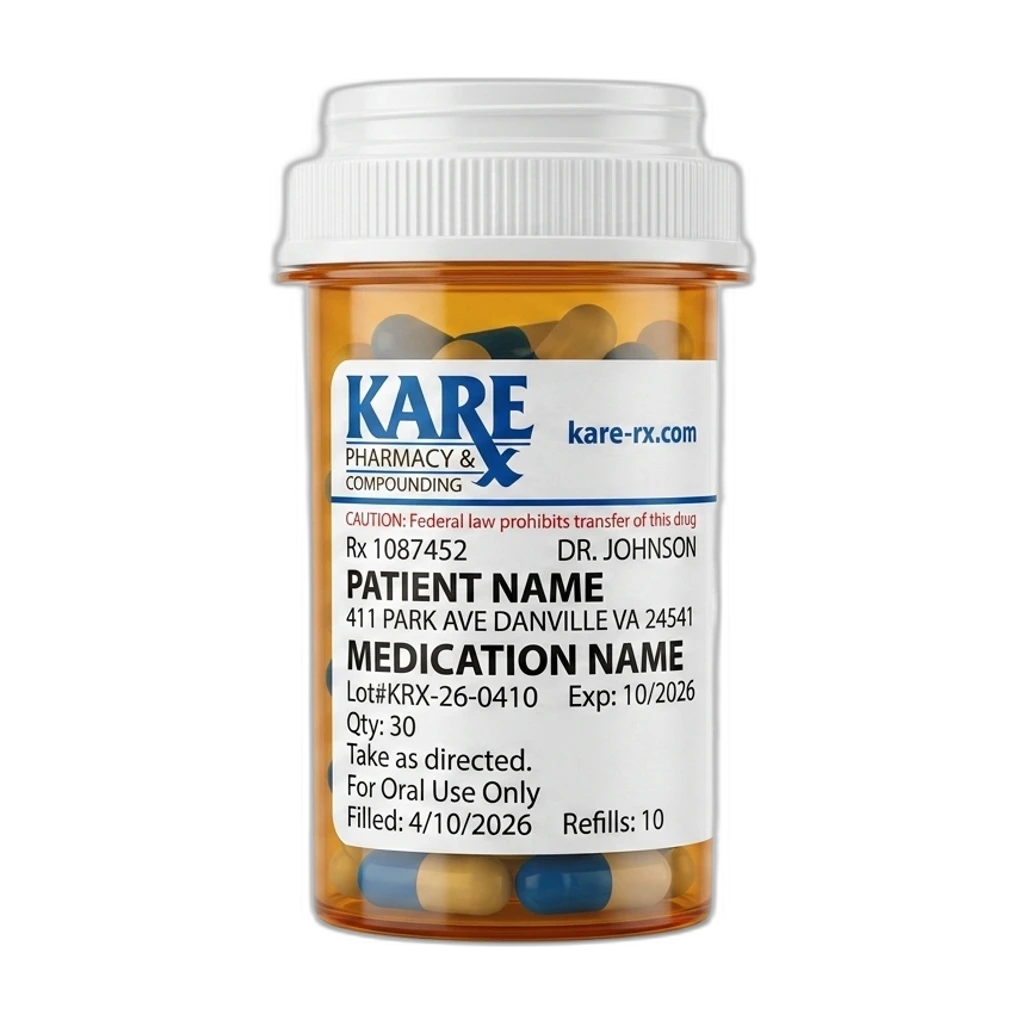
DMSA (Succimer) Capsules
DMSA (succimer) is a chelating agent that binds certain heavy metals, especially lead, so the body can remove them in the urine. This compounded product should only be used for an approved medical purpose under close medical supervision, with follow-up lab testing as directed.
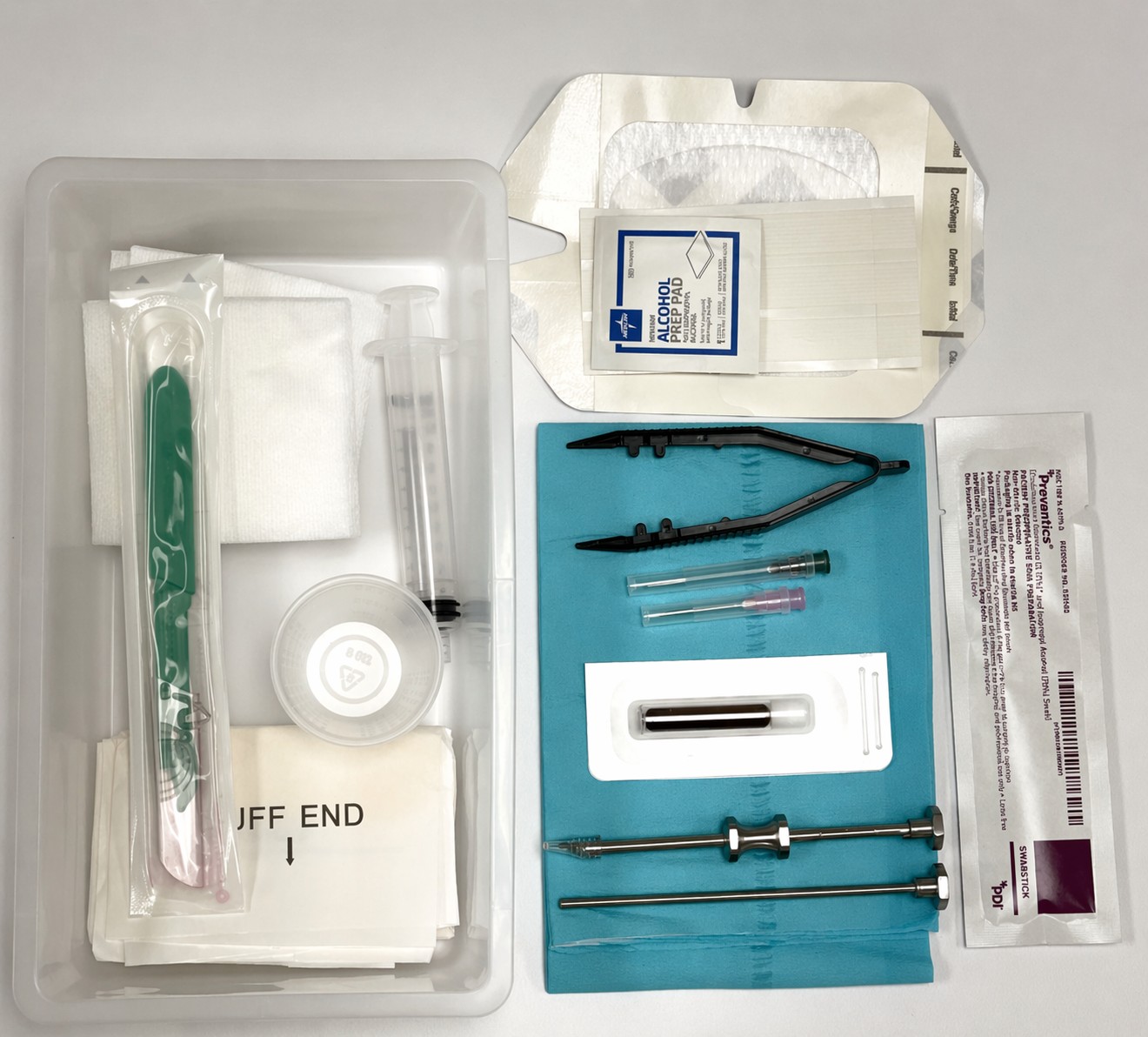
Disposable Trocar Kit (3.5 mm | 4.5 mm)
Disposable sterile trocar kit intended to support in-office pellet insertion procedures by providing a complete set of single-use supplies and a stainless steel trocar device. Kits are available with a 3.5 millimeter or 4.5 millimeter trocar to match the procedure needs as determined by the licensed healthcare practitioner. This is a medical supply kit and does not contain medication.
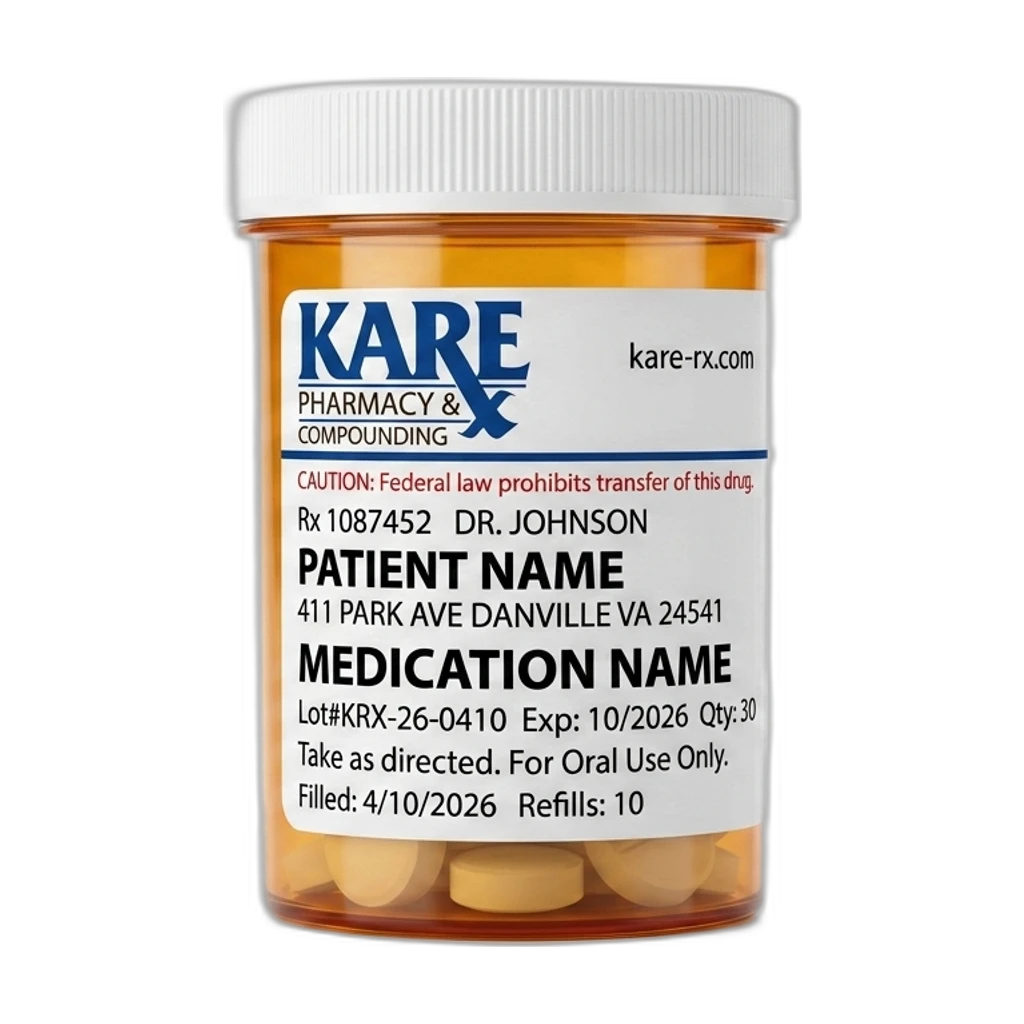
Amitriptyline Tablet
Amitriptyline is a prescription medicine in the tricyclic antidepressant (TCA) family. It is FDA-approved to treat symptoms of depression in adults. Health-care providers may also use it for certain pain conditions when they decide the benefit outweighs the risk. This tablet is taken by mouth and works on brain chemicals that affect mood and pain perception.