
Pricing & Options
Sign in to see instant pricing
Available Strengths (2)·Most prescribed
Active Ingredients
Important Disclaimer
These statements have not been evaluated by the Food and Drug Administration (FDA). Compounded products are not FDA-approved and are not intended to diagnose, treat, cure, or prevent any disease. Individual results may vary. The information provided is for educational purposes only and should not be considered medical advice. Always consult with your healthcare provider before starting any new treatment.
Clinical Information
Evidence-based details for healthcare providers
A valid prescription from a DEA-registered prescriber is required.
Limited to 5 refills within 6 months of the original prescription date.
Subject to state and federal controlled substance regulations.
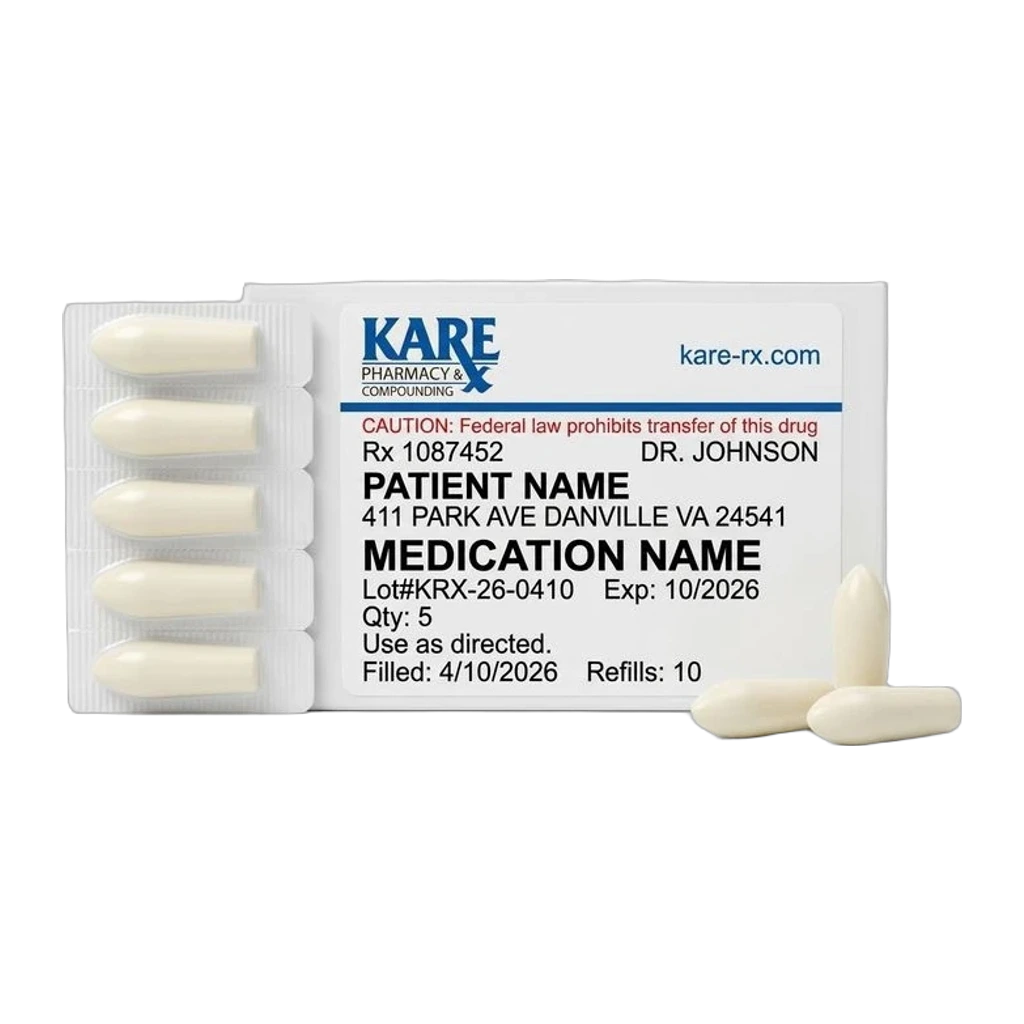
Use as directed by your healthcare provider. Insert the suppository gently into the vagina, usually at bedtime. If you miss a dose, use it as soon as you remember unless it is almost time for your next dose. Do not use two suppositories at the same time.
Diazepam boosts the calming chemical called GABA in nerve cells. When placed in the vagina, it relaxes nearby pelvic muscles and reduces spasms. Most people feel muscle relaxation within 30–60 minutes, and relief can last 6–8 hours. Regular nightly use may improve pain and tightness over several weeks.
Do not use if you are allergic to diazepam or other benzodiazepines (such as alprazolam or lorazepam). Do not use if you are pregnant or trying to become pregnant; diazepam can harm an unborn baby. Avoid if you have severe liver disease, severe lung problems, sleep apnea, myasthenia gravis, or narrow-angle glaucoma. Not for use in children.
Using alcohol, opioids (such as oxycodone), sleep medicines, or other anxiety drugs can greatly increase drowsiness and breathing problems. Certain antifungal medicines (ketoconazole), HIV medicines (ritonavir), and antibiotics (clarithromycin) may raise diazepam levels and side effects. Smoking may lower how well diazepam works. Tell your provider about all drugs, herbs, and supplements you use, including CBD products.
Very common (more than 1 in 10): feeling sleepy or groggy the next morning. Common (1–10 in 100): dizziness, light-headedness, vaginal irritation, blurred vision, clumsiness. Uncommon (1–10 in 1,000): mood changes, headache, dry mouth. Rare but serious: allergic reaction (rash, swelling, trouble breathing), severe drowsiness, confusion, or falls. Most side effects improve once the dose is lowered or the medicine is stopped.
Store in the refrigerator at 36–46°F (2–8°C) to keep the suppositories firm. Protect from light and moisture. If a suppository softens, place it back in the fridge until it hardens before use. Do not freeze. Keep out of reach of children and pets. Dispose of unused or expired suppositories through a pharmacy take-back program or mix with coffee grounds in a sealed bag before throwing in the trash.
Frequently Asked Questions
How do I insert a diazepam vaginal suppository correctly?
Wash your hands, lie on your back with knees bent, and gently push the suppository into the vagina as far as comfortable. Remain lying down for a few minutes to let it melt. Use a panty liner if needed to catch any leakage.
Will the suppository make me feel sleepy?
Some diazepam may enter your bloodstream and cause drowsiness. Most people feel mild sleepiness, especially if used at bedtime. Avoid driving or drinking alcohol until you know how it affects you.
How long before I notice improvement in pelvic pain?
Many patients feel muscle relaxation within an hour of each dose. Steady pain relief often builds over 1–2 weeks of nightly use. Keep using it as prescribed and tell your provider if pain does not improve.
Can I use the suppository during my period?
Yes, you may use it during menstruation unless your provider advises otherwise. Use a fresh tampon or pad after inserting the suppository if needed.
Is it safe to have sex after using the suppository?
Wait at least 8 hours after insertion to reduce the chance of transferring medicine to your partner and to allow full absorption. Talk with your provider about the best timing for you.
What if the suppository melts before I use it?
If it softens, place the foil-wrapped suppository in the refrigerator for about 30 minutes until firm. Do not use if it becomes misshapen or leaks.
Related Products
Diazepam Vaginal Cream
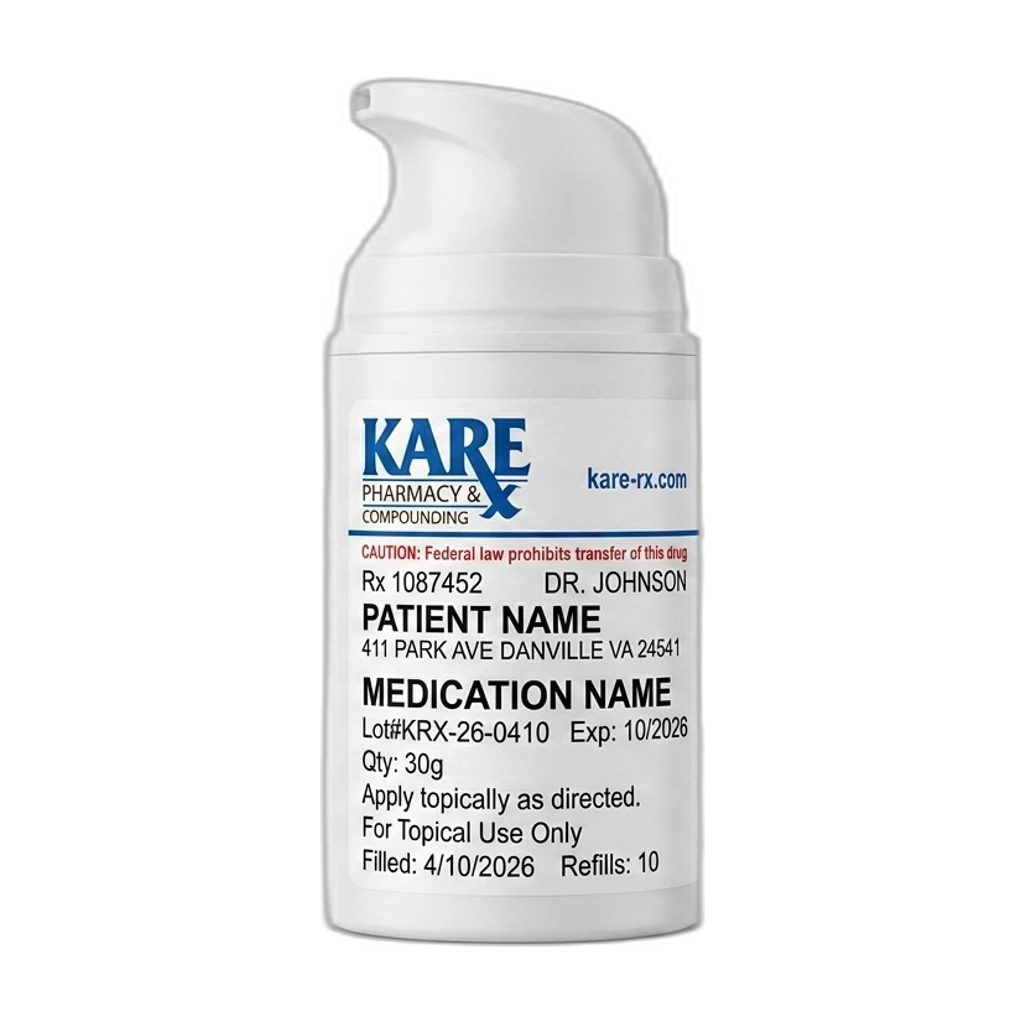
Diazepam vaginal cream is a compounded medicine used inside the vagina to relax tight pelvic floor muscles and ease pain. It contains the same active ingredient found in oral diazepam but is applied locally so less medicine reaches the rest of your body. Your healthcare provider may prescribe it for pelvic muscle spasm, pelvic pain, or painful intercourse. Use only as directed and talk with your provider if you have questions.
Diazepam | Gabapentin | Baclofen | Lidocaine Cream
Diazepam | Gabapentin | Baclofen | Lidocaine Cream is a compounded topical preparation used in pain-management regimens when a prescriber wants a customized combination of ingredients in a topical base. Lidocaine is a local anesthetic that can help reduce sensation at the application site, while gabapentin, baclofen, and diazepam are ingredients commonly selected by prescribers for treatment plans involving nerve-related discomfort, muscle tightness, or spasm.
Estradiol Suppository
Estradiol suppositories are a compounded vaginal medicine used to help relieve symptoms linked to low estrogen, such as vaginal dryness, burning, itching, and pain with sex. This product is often used for vulvar and vaginal tissue thinning after menopause or other causes of low estrogen. Because this is a compounded medication, it is made specially for you based on your prescriber’s instructions and may not be the same as a commercially available product. Use only as prescribed and contact your healthcare provider if symptoms do not improve or if you have unusual bleeding.

Estradiol Pellets
Estradiol Pellets provide a steady release of estrogen when placed under the skin. They are used for hormone replacement therapy to ease symptoms of low estrogen such as hot flashes, night sweats, and mood changes.