
Pricing & Options
Sign in to see instant pricing
Available Strength
Active Ingredients
Important Disclaimer
These statements have not been evaluated by the Food and Drug Administration (FDA). Compounded products are not FDA-approved and are not intended to diagnose, treat, cure, or prevent any disease. Individual results may vary. The information provided is for educational purposes only and should not be considered medical advice. Always consult with your healthcare provider before starting any new treatment.
Clinical Information
Evidence-based details for healthcare providers
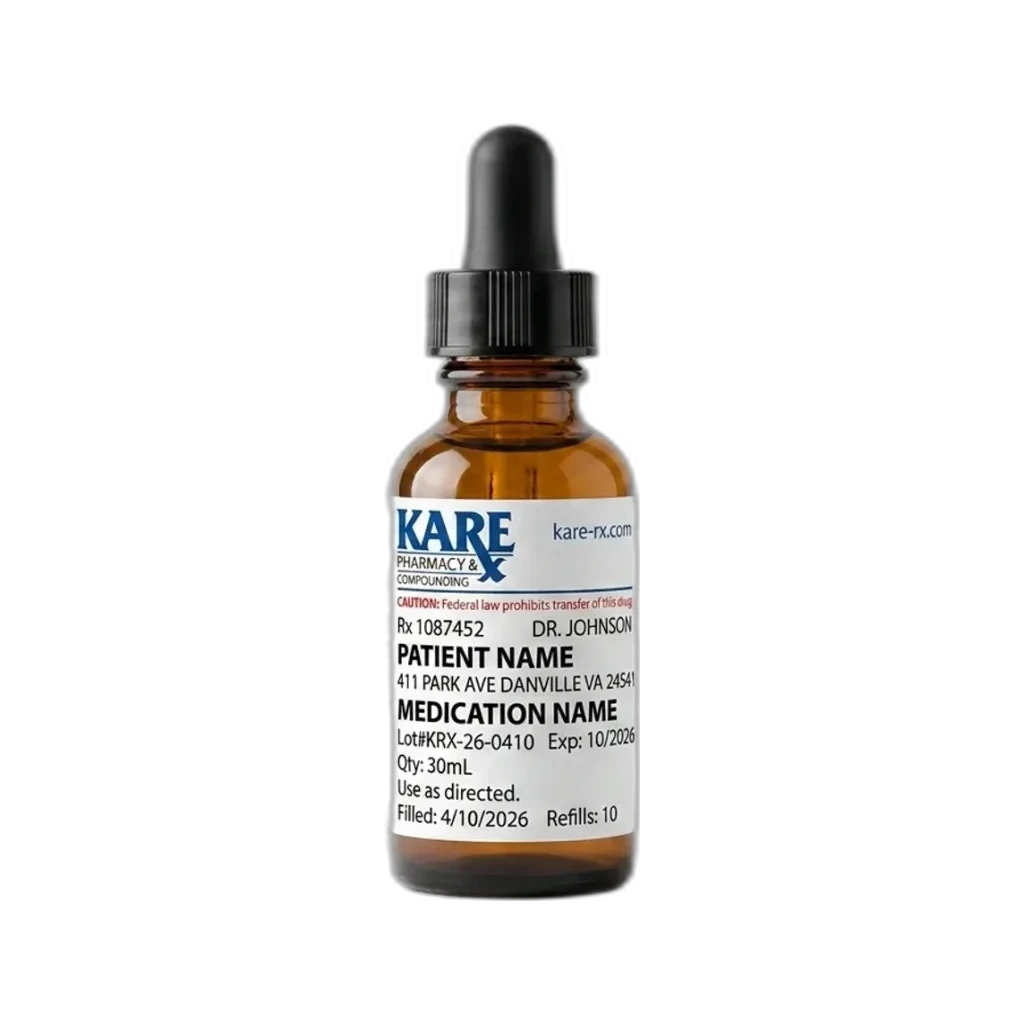
Use this eye drop exactly as directed by your healthcare provider. Wash your hands before use, avoid touching the dropper tip to your eye or any surface, and use only the number of drops prescribed. If you miss a dose, use it when you remember unless it is almost time for your next dose. Do not use extra drops to make up for a missed dose.
Amphotericin B is an antifungal medicine. It works by attaching to parts of fungal cells called sterols and creating holes in the cell membrane, which causes the fungal cells to leak and die. When used in the eye, it acts mainly at the site where it is placed. Some patients may notice irritation soon after use, but improvement in the eye infection may take several days or longer, depending on the type and severity of the infection and how often the drops are used.
Do not use if you have had an allergic reaction to amphotericin B or any ingredient in this compounded product. Do not use if the drops have visible particles, the bottle is leaking, the color has changed, or it is past the beyond-use date. Do not use contact lenses unless your eye doctor says it is safe, because lenses may worsen irritation or interfere with treatment. Use in children, during pregnancy, or while breastfeeding only if your healthcare provider decides the expected benefit outweighs possible risk.
Eye drops usually have fewer body-wide interactions than oral or injected medicines, but interactions can still happen. Tell your healthcare provider about all prescription drugs, over-the-counter products, vitamins, and supplements you use. Using other eye medicines at the same time may increase irritation or wash this medicine out; if your provider prescribes more than one eye product, separate them by at least 5 to 10 minutes. Use caution with steroid eye drops, other antifungal eye products, or medicines that may irritate the eye, and follow your prescriber's instructions closely.
Common side effects include brief burning, stinging, redness, watering, blurred vision right after use, or a feeling that something is in the eye. These effects are often mild and may last a short time after each dose. Less common effects include eyelid swelling, increased eye pain, light sensitivity, worsening redness, or ongoing blurred vision. Rare but serious reactions include severe allergic reaction, major swelling, rash, trouble breathing, or sudden worsening of vision; get medical help right away if these happen.
Store exactly as directed by the dispensing pharmacy, because compounded sterile eye drops may have special handling requirements. In many cases, this product should be kept refrigerated at 36-46 degrees F / 2-8 degrees C and protected from light; do not freeze unless your pharmacy specifically tells you otherwise. Keep the container tightly closed when not in use, and do not touch the dropper tip. Discard after the beyond-use date on the label or sooner if your pharmacist or prescriber instructs you to do so.
1. FDA Label: Amphotericin B for Injection Prescribing Information (DailyMed).
2. USP Monograph: Amphotericin B.
Frequently Asked Questions
What is this compounded eye drop used for?
This is a compounded sterile eye drop made for a specific patient based on a prescriber's order. It may be used when your eye specialist decides amphotericin B in this form is needed for treatment. Use it only for the condition your prescriber diagnosed.
How do I use these eye drops correctly?
Wash your hands first and tilt your head back. Pull down the lower eyelid, place the prescribed number of drops into the eye, and avoid touching the dropper tip to your eye, fingers, or any surface. Close your eye gently for a short time after the drop goes in.
Can I use other eye drops at the same time?
Yes, but only if your healthcare provider tells you to. Wait at least 5 to 10 minutes between different eye products so one does not wash out the other. If you use an eye ointment too, ask your provider which product should go in last.
What should I do if the drops sting or blur my vision?
Mild burning, stinging, or short-term blurred vision can happen after use. This often gets better quickly, but call your prescriber if the discomfort is severe, lasts longer than expected, or your vision gets worse. Do not drive or use machinery until your vision is clear.
Can I wear contact lenses while using this medication?
Do not wear contact lenses unless your eye doctor says it is okay. Contacts can irritate the eye and may make healing harder during treatment. Ask your provider when it is safe to start wearing them again.
How should I store this compounded medication?
Follow the storage directions on your prescription label and any instructions from your pharmacy. Many compounded sterile eye drops need refrigeration and protection from light. Keep it out of reach of children and discard it by the beyond-use date.
What if I miss a dose?
Use the missed dose when you remember unless it is almost time for your next dose. If it is close to the next dose, skip the missed dose and go back to your regular schedule. Do not use extra drops to make up for a missed dose.
Is this medication FDA-approved?
No. This is a compounded medication prepared by a 503A pharmacy for an individual patient and it is not FDA-approved. It is made only after a licensed prescriber determines that this formulation is appropriate for you.
Related Products
L-Taurine Injection
L-Taurine Injection is a sterile, preservative-free solution used to raise taurine levels in the body when oral intake is not enough. Taurine is an amino-sulfonic acid that supports heart, brain, and muscle function. Healthcare providers may prescribe this injection for people who need extra taurine due to certain medical conditions, strict diets, or intensive training.
N-Acetyl-Cysteine Injection
N-Acetyl-Cysteine (NAC) Injection is a compounded sterile solution that supplies NAC at a 20% strength (200 mg/mL). NAC is widely used in hospitals to help protect the liver after an acetaminophen overdose and to thin mucus in the lungs. It acts as an antioxidant by raising glutathione levels in the body. This formulation contains a small amount of preservative so the vial can be used for multiple doses when handled with proper sterile technique.
L-Proline Injection
L-Proline Injection is a sterile amino acid solution that supplies 100 mg of L-proline in every milliliter. Proline is a building block of collagen and helps your body repair tissues. Healthcare providers sometimes use this injectable form when patients need extra proline and cannot take capsules by mouth.
Magic Mouthwash
This compounded mouthwash, often called “magic mouthwash,” helps ease pain, fight infection, and reduce swelling inside the mouth. Nystatin targets yeast and other fungi, lidocaine numbs sore areas, and diphenhydramine calms irritation. It is commonly used for mouth sores caused by chemotherapy, radiation, braces, or other conditions. Your prescriber customizes the exact formula and how long you should use it.