
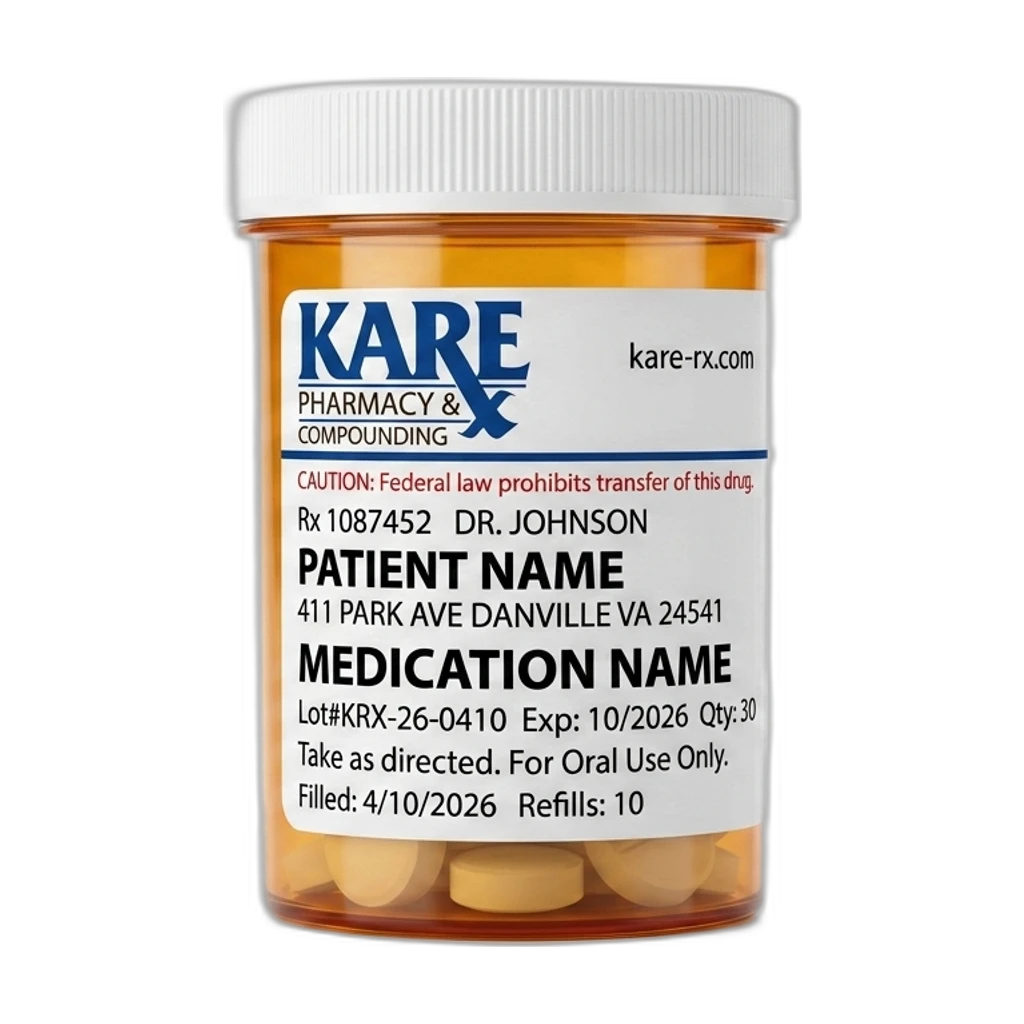
Pricing & Options
Sign in to see instant pricing
Available Strength
Active Ingredients
Important Disclaimer
These statements have not been evaluated by the Food and Drug Administration (FDA). Compounded products are not FDA-approved and are not intended to diagnose, treat, cure, or prevent any disease. Individual results may vary. The information provided is for educational purposes only and should not be considered medical advice. Always consult with your healthcare provider before starting any new treatment.
Clinical Information
Evidence-based details for healthcare providers
Use exactly as directed by your healthcare provider. Swallow the tablet with a full glass of water. If you miss a dose, take it as soon as you remember unless it is almost time for your next scheduled dose. Do not take two doses at once. Your healthcare provider will decide how long you should stay on this medicine.
Amitriptyline blocks the reuptake of two brain messengers called serotonin and norepinephrine. By keeping more of these chemicals available between nerve cells, the medicine helps lift mood and can lower the intensity of certain pain signals. Some people notice better sleep or less pain within 1-2 weeks, but full mood improvement may take 4-6 weeks. The effects usually last about 24 hours, so most people take it once daily, often at bedtime because it can cause drowsiness.
Do not use if you are allergic to amitriptyline or other tricyclic antidepressants. Do not use if you have taken a monoamine oxidase inhibitor (MAOI) within the past 14 days—this can cause dangerous blood pressure changes. Do not use if you recently had a heart attack or have serious heart rhythm problems because the drug can worsen these conditions. Avoid if you have untreated narrow-angle glaucoma or severe urinary retention, as the medicine’s anticholinergic effects can make these problems worse. Talk to your provider before use if you are pregnant, planning pregnancy, or breastfeeding, or if you are under 18 because safety in children has not been confirmed.
Serious interactions can occur with MAO inhibitors (such as phenelzine, linezolid) and may lead to high blood pressure or seizures. Combining with other antidepressants like SSRIs (e.g., fluoxetine, sertraline) can increase serotonin levels and raise the risk of serotonin syndrome—tell your provider if you take them. Medicines that prolong the QT interval, such as certain heart rhythm drugs (amiodarone, sotalol) or some antibiotics (moxifloxacin), may increase the chance of irregular heartbeat. Alcohol, benzodiazepines, opioid pain relievers, and antihistamines can add to drowsiness and slow reaction time—use caution or avoid. Herbal products like St. John’s wort may boost side-effects or reduce effectiveness. Always give your provider a full list of medicines, vitamins, and supplements.
Very common (affects more than 1 in 10 people): dry mouth, drowsiness, constipation. Common (affects 1-10 in 100 people): blurred vision, weight gain, dizziness, trouble urinating, increased appetite. Uncommon (affects 1-10 in 1,000 people): low blood pressure when standing, fast heartbeat, sweating, shaky hands, confusion (more likely in older adults). Rare but serious: seizures, severe allergic reaction (rash, swelling of face or throat, trouble breathing), irregular heartbeat, thoughts of self-harm. Most mild side effects improve as your body adjusts in 1-2 weeks. Contact your healthcare provider right away if you have chest pain, fainting, severe constipation, yellowing of eyes or skin, or worsening depression.
Store at room temperature 68-77°F (20-25°C). Keep the tablets in their original, tightly closed container and protect from excess heat, moisture, and direct light. Do not store in the bathroom or kitchen. Keep out of reach of children and pets. Dispose of unused or expired tablets through a take-back program or mix them with coffee grounds or cat litter in a sealed plastic bag before throwing them away—never flush down the toilet unless instructed.
Frequently Asked Questions
How long does it take for amitriptyline to start working?
Some people notice better sleep or less pain in 1–2 weeks, but mood improvement can take 4–6 weeks of regular use. Keep taking it as prescribed even if you do not feel better right away, and check in with your provider if you have concerns.
Should I take my dose in the morning or at night?
Amitriptyline often causes drowsiness, so many people take it about an hour before bedtime. Follow the schedule your healthcare provider gives you. If daytime sleepiness is a problem, talk to your provider about adjusting the timing.
What should I do if I feel very sleepy during the day?
Daytime drowsiness may lessen after your body adjusts in a week or two. Avoid driving or operating heavy machinery until you know how the medicine affects you. If sleepiness is severe or does not improve, contact your healthcare provider—your dose may need to change.
Can I drink alcohol while taking amitriptyline?
Limit or avoid alcohol because it can increase drowsiness, lower blood pressure further, and raise the risk of accidental injury. If you choose to drink, keep it light and never mix alcohol with your dose until you know how you feel. Ask your provider for personal guidance.
What happens if I stop amitriptyline suddenly?
Stopping quickly can cause nausea, headache, restlessness, or trouble sleeping. To avoid these withdrawal-like symptoms, your provider will usually lower the dose gradually. Never stop on your own—always discuss a taper plan first.
Is it safe to take amitriptyline during pregnancy?
Tell your provider if you are pregnant or planning to become pregnant. Animal studies show possible risks, and human data are limited. Your provider will weigh the benefits against potential risks and decide if another treatment is better for you.
Related Products
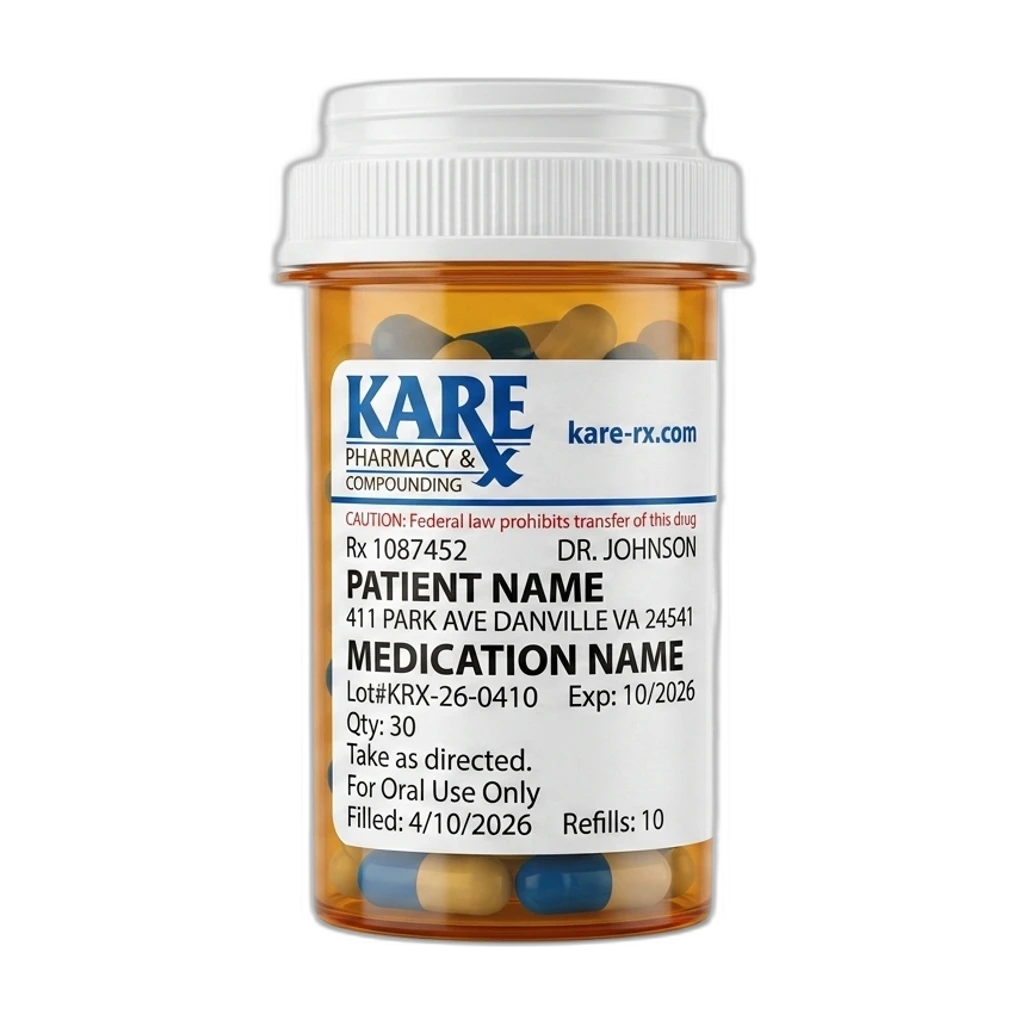
Ketotifen Capsules
Ketotifen capsules are an oral medication used in some settings for allergy-related conditions. Ketotifen helps reduce the release of chemicals in the body that can trigger allergy symptoms. This compounded product should be used only under the supervision of a licensed healthcare provider. Compounded medications are prepared to meet an individual patient's needs and are not FDA-approved for safety, effectiveness, or quality in the same way as approved drug products.
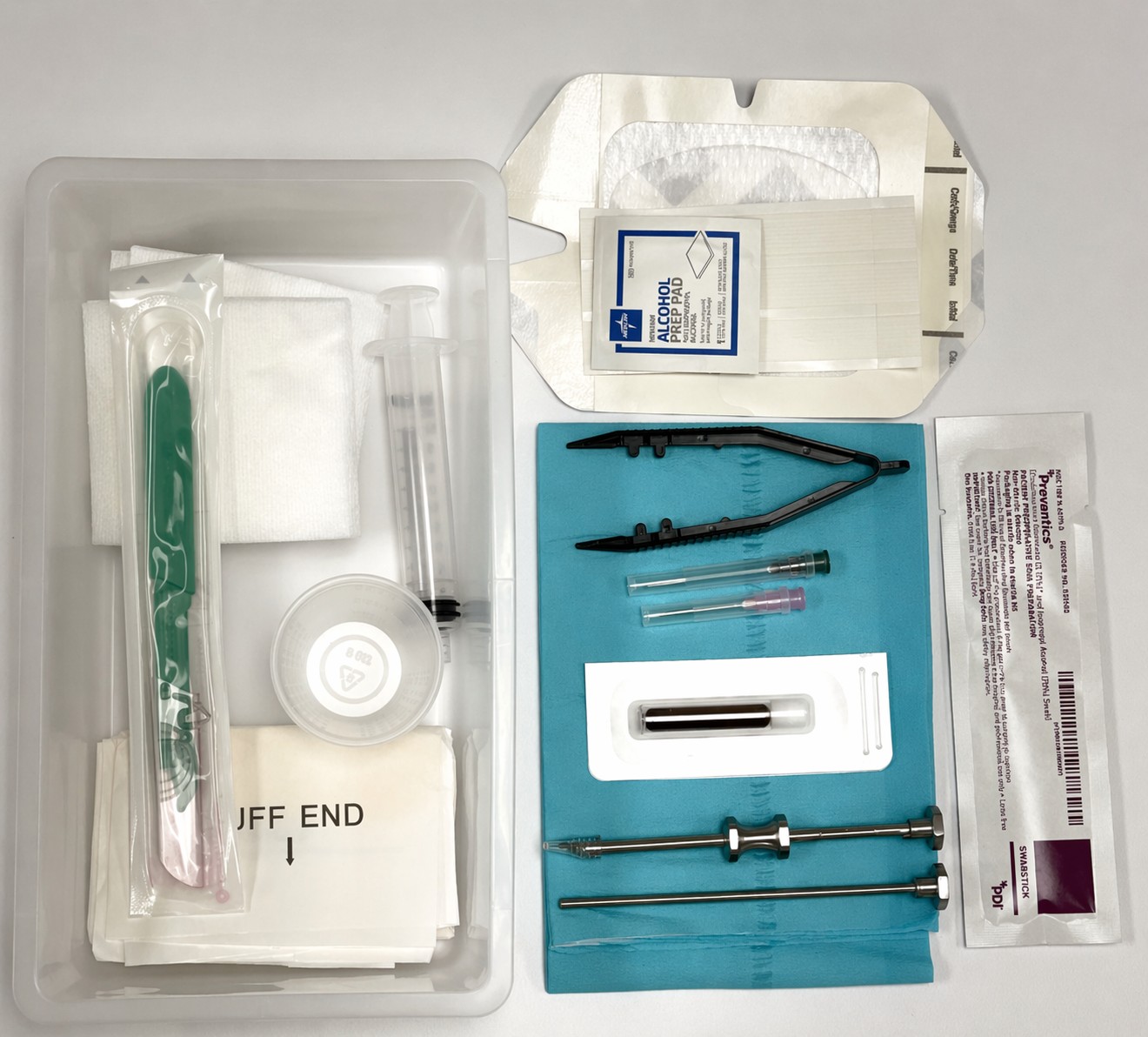
Disposable Trocar Kit (3.5 mm | 4.5 mm)
Disposable sterile trocar kit intended to support in-office pellet insertion procedures by providing a complete set of single-use supplies and a stainless steel trocar device. Kits are available with a 3.5 millimeter or 4.5 millimeter trocar to match the procedure needs as determined by the licensed healthcare practitioner. This is a medical supply kit and does not contain medication.
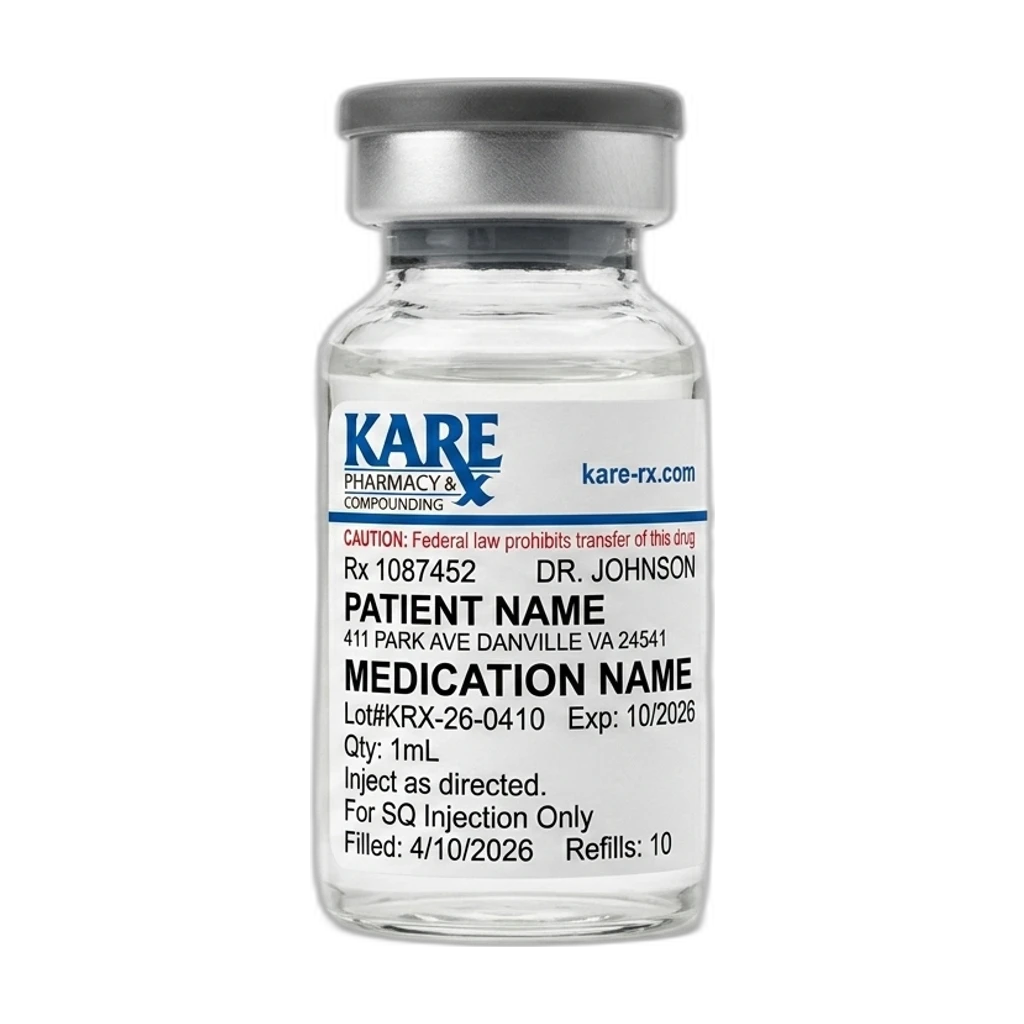
Myers Cocktail
Myers Cocktail is a sterile premixed injection that combines key vitamins and minerals often used to correct short-term nutrient gaps, support normal energy production, and promote healthy immune function. Each 10 mL single-dose vial contains a balanced blend of magnesium chloride, calcium gluconate, ascorbic acid, B-complex vitamins, and hydroxocobalamin B12. The solution is intended for slow intravenous (IV) administration only under the supervision of a licensed healthcare professional. By delivering nutrients directly into the bloodstream, the formulation avoids losses that can occur in the digestive tract and allows rapid achievement of targeted blood levels. This product is preservative-free.
Betahistine Capsules
Betahistine capsules are taken by mouth to help reduce episodes of vertigo, ringing in the ears, and hearing fullness often linked with Ménière’s disease. The medicine improves blood flow in the inner ear and balances the pressure of fluids. Capsules are compounded so your healthcare provider can choose the dose that fits you best.