Pricing & Options
Sign in to see instant pricing
Available Strength
Active Ingredients
Important Disclaimer
These statements have not been evaluated by the Food and Drug Administration (FDA). Compounded products are not FDA-approved and are not intended to diagnose, treat, cure, or prevent any disease. Individual results may vary. The information provided is for educational purposes only and should not be considered medical advice. Always consult with your healthcare provider before starting any new treatment.
Clinical Information
Evidence-based details for healthcare providers
Use as directed by your healthcare provider. If you miss a scheduled infusion, contact your clinic to set up a new time. Do not try to give yourself this injection unless you have been trained to do so. Your provider will decide how often and how long you need treatment.
Zinc is a co-factor for more than 300 enzymes that control cell growth, immune responses, and tissue repair. When given by IV, zinc enters the bloodstream right away and starts raising low zinc levels within hours. Patients may notice better energy, stronger immune function, and faster wound healing over several days to weeks, depending on their prior deficiency. The effect lasts as long as normal zinc levels are maintained.
Do not use if you are allergic to zinc sulfate or any component of this product (may cause rash or breathing problems). Do not use if you have very high blood zinc levels (hyperzincemia). Avoid if you have untreated copper deficiency because zinc can lower copper further. Talk to your provider before use if you have severe kidney disease, as zinc can build up in the body.
Zinc can reduce absorption or effectiveness of certain antibiotics (tetracyclines like doxycycline, quinolones like ciprofloxacin) if given close together; separate doses by at least 2 hours when possible. High-dose zinc may lower copper and iron levels, so your provider may check these minerals. Penicillamine (used for Wilson’s disease or rheumatoid arthritis) binds zinc and may not work as well. Tell your provider about all medicines, vitamins, and herbal products you use. Limit alcohol, which can worsen mineral imbalances.
Common (may affect up to 1 in 10 people): metallic taste, mild nausea, burning or redness at the injection site. Less common (1 in 100 people): stomach cramps, headache, dizziness. Rare but serious: low copper levels with long-term high doses (symptoms include fatigue, numbness, or anemia), allergic reactions such as hives, swelling, or trouble breathing. Most mild effects go away within a few hours. Call your provider right away for severe or lasting symptoms.
Store unopened vials at controlled room temperature (68-77 °F, 20-25 °C). Keep the vial in the original carton to protect from light. Do not freeze. Once opened, use the vial right away or discard any unused portion. Keep out of reach of children. Dispose of unused or expired vials through pharmacy take-back programs or in a sealed container mixed with coffee grounds if no program is available.
Frequently Asked Questions
Why would I need zinc through an IV instead of a pill?
Some people cannot absorb enough zinc from food or tablets because of gut problems, surgery, or severe deficiency. An IV puts zinc straight into your bloodstream so your body can use it right away.
How quickly will I feel better after the injection?
Most people notice improved energy or wound healing within a few days to a week, but full benefits depend on how low your zinc level was. Your provider will re-check labs to be sure levels are in the normal range.
Can I take my regular vitamins and minerals with this injection?
Yes, but tell your provider about everything you take. High-dose zinc can lower copper and iron, so your provider may adjust supplements or check blood tests to keep these minerals balanced.
What side effects should I watch for at home?
A brief metallic taste, mild nausea, or soreness where the needle went in are common and usually fade quickly. Call your provider if you get severe stomach pain, rash, swelling, or feel faint.
How do I store the vial if I don't use the whole thing?
Each vial is meant for a single use. If any solution is left after your dose, it should be thrown away. Do not save opened vials for later because they may no longer be sterile.
Is this injection safe during pregnancy or breastfeeding?
Small amounts of zinc are important during pregnancy and breastfeeding, but high doses should only be used if your provider says it is necessary. Always discuss your situation with your obstetric or pediatric care team before treatment.
Related Products
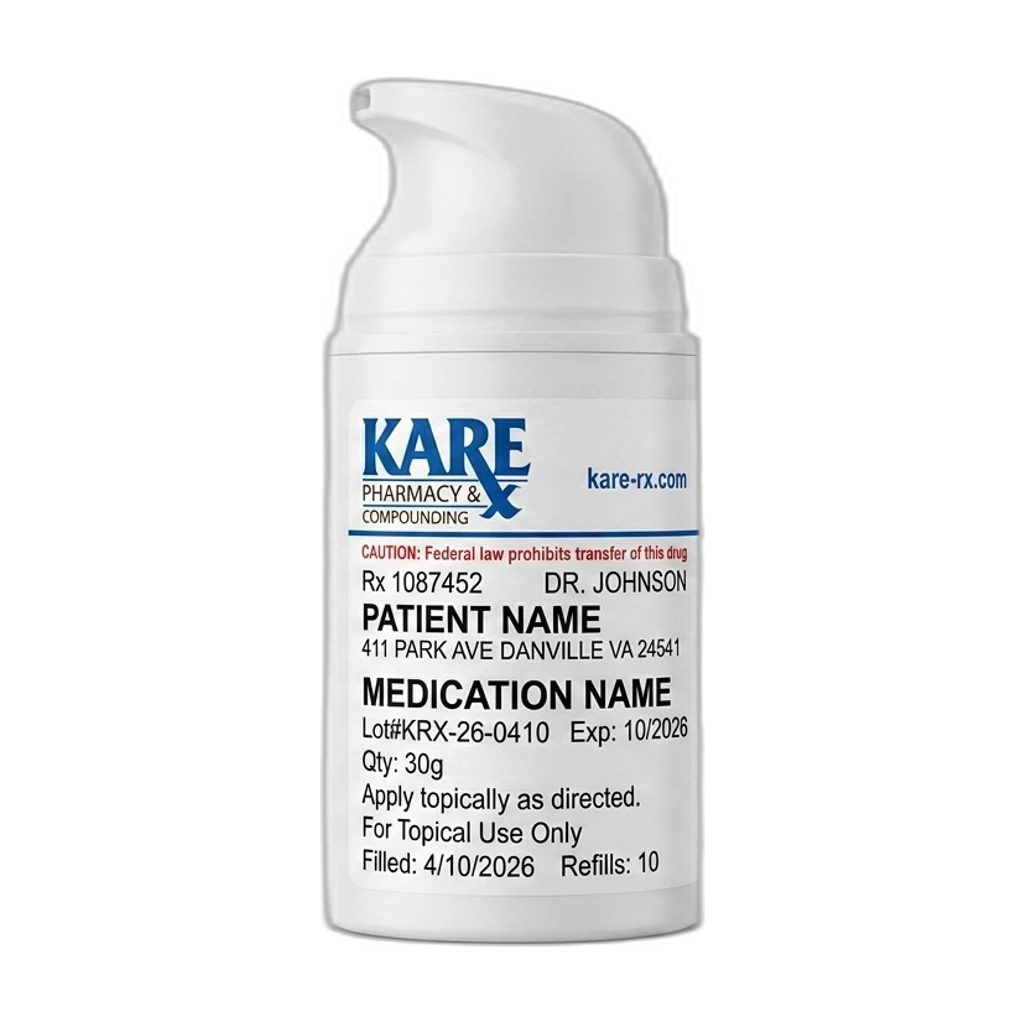
Tretinoin | Azelaic Acid | Niacinamide Cream
This compounded cream combines retinoic acid 0.025%, azelaic acid 10%, and niacinamide 4% to help improve acne, discoloration, and early signs of aging. The balanced formula aims to speed skin cell turnover, calm redness, and strengthen the skin barrier while keeping irritation low. It is designed for once-daily use on clean, dry skin as directed by your healthcare provider.
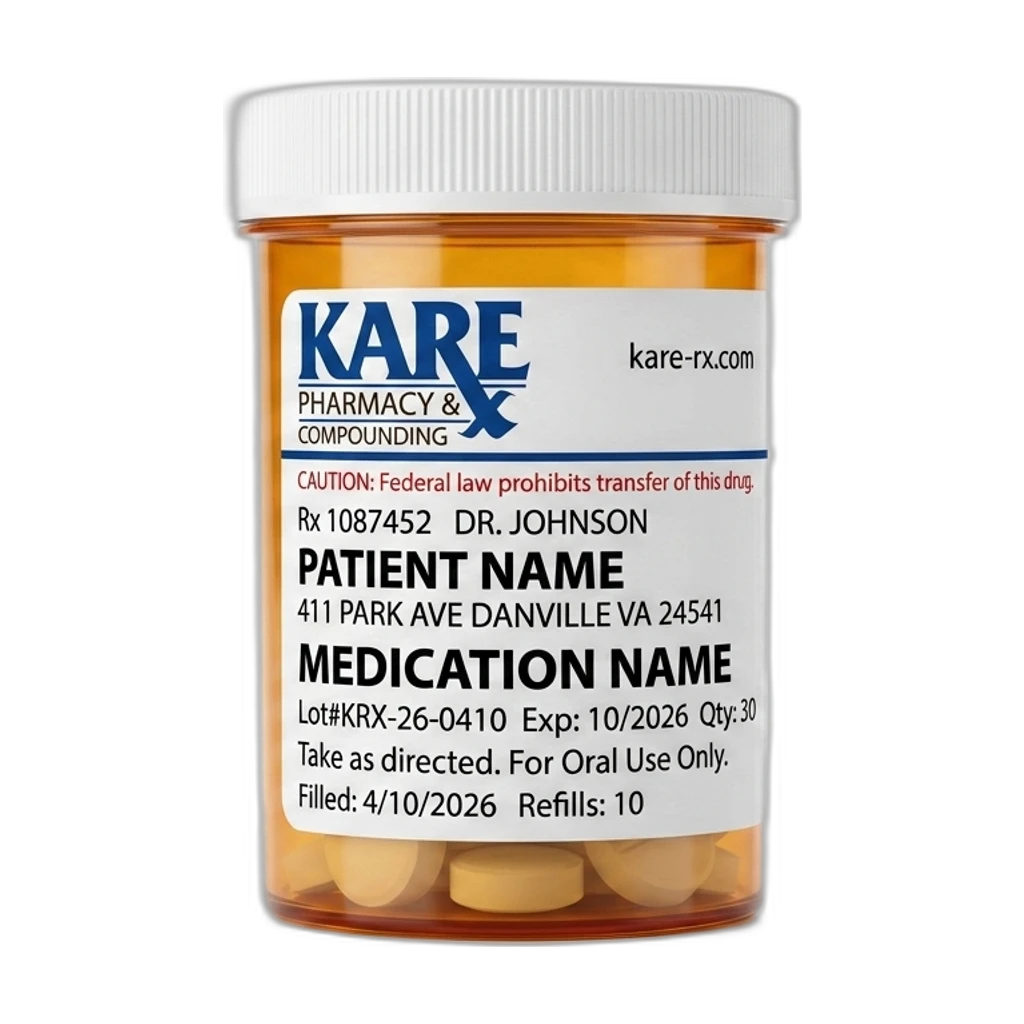
Metformin Hydrochloride Tablet
Metformin Hydrochloride ER Tablet
NADvantage (Nicotinamide Adenine Dinucleotide) Cream
NADvantage is a 10% Nicotinamide Adenine Dinucleotide (NAD+) cream designed to support healthy skin at the cellular level. By boosting the skin’s natural energy source, the cream may improve elasticity, increase collagen production, and soften the look of fine lines and wrinkles. It is intended for topical use under the guidance of a licensed healthcare professional.