
Pricing & Options
Sign in to see instant pricing
Available Strengths (10)·Most prescribed
Active Ingredients
Important Disclaimer
These statements have not been evaluated by the Food and Drug Administration (FDA). Compounded products are not FDA-approved and are not intended to diagnose, treat, cure, or prevent any disease. Individual results may vary. The information provided is for educational purposes only and should not be considered medical advice. Always consult with your healthcare provider before starting any new treatment.
Clinical Information
Evidence-based details for healthcare providers
A valid prescription from a DEA-registered prescriber is required.
Limited to 5 refills within 6 months of the original prescription date.
Subject to state and federal controlled substance regulations.
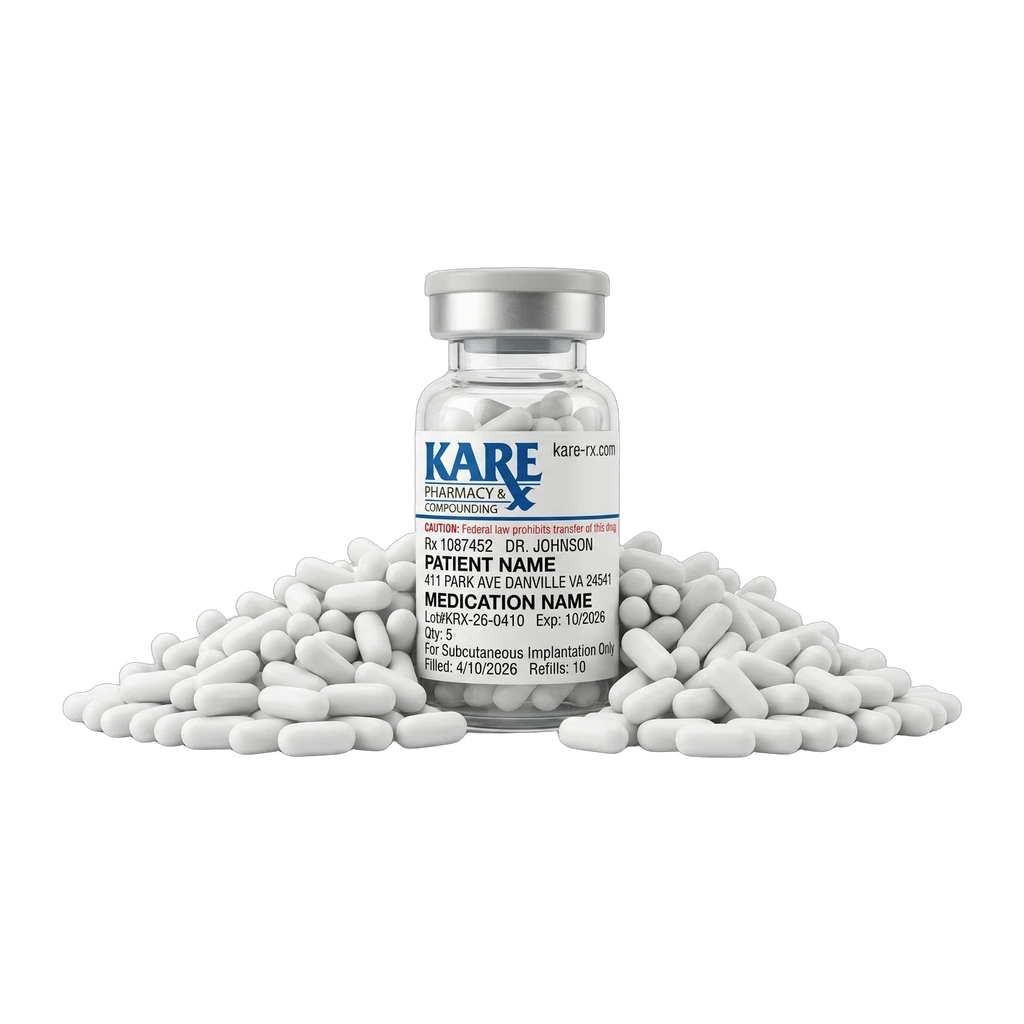
The pellets are implanted by your healthcare provider during an office visit. Follow all follow-up and blood test schedules your provider sets. If you notice the pellet coming out or the area becomes very red, swollen, or painful, call your provider right away. Never try to insert or remove pellets yourself.
The pellet sits under your skin and slowly dissolves, releasing testosterone directly into your bloodstream. This bypasses the stomach and liver, so the hormone is delivered evenly and continuously. Most people begin to feel more energy and improved mood within 1–2 weeks, while sexual and muscle benefits may take 3–4 weeks. A single implantation can last about 3–6 months, after which new pellets are usually placed.
Do not use if you are pregnant or may become pregnant (testosterone can harm an unborn baby). Do not use if you are breastfeeding. Do not use if you have known or suspected prostate cancer or male breast cancer, because testosterone may make these cancers grow faster. Avoid if you have severe liver or kidney disease, high calcium levels due to cancer, or are allergic to any ingredients in the pellet. Not for use in children under 18.
Blood thinners such as warfarin (Coumadin) may increase bleeding risk during implantation; your provider may adjust your dose or monitor you more closely. Taking corticosteroids (prednisone) with testosterone can raise fluid retention and swelling. Diabetes medicines including insulin may need dose changes because testosterone can lower blood sugar. Some herbal supplements, like saw palmetto, may alter hormone levels—talk to your provider before use. Limit alcohol, which can worsen swelling and liver strain.
Very common (affects more than 1 in 10 people): mild bruising or soreness at the insertion site for a few days. Common (affects 1–10 in 100 people): acne, oily skin, increased body hair, mild swelling in ankles, mood changes, or headache; these often lessen as hormone levels stabilize. Uncommon (affects 1–10 in 1,000 people): pellet extrusion (pellet works its way out), infection at insertion site, or significant mood swings. Rare but serious: enlarged prostate with trouble urinating, blood clots in legs or lungs, liver problems (yellow skin or eyes). Call your provider right away if you notice chest pain, sudden shortness of breath, severe leg swelling, or yellowing of the skin.
Store pellets in a tightly closed, original package at controlled room temperature (68-77°F, 20-25°C). Keep away from moisture, excessive heat, and direct light. Do not freeze. Handle with clean gloves to avoid contamination. Pellets remain stable for 24 months from the manufacturing date when stored correctly. Return unused or expired pellets to your pharmacy’s take-back program; do not flush or place in household trash.
Frequently Asked Questions
How often will I need new testosterone pellets?
Most people need a new implantation every 3–6 months, depending on how fast their body uses the hormone. Your provider will schedule blood tests to track levels and decide the right timing for your next dose.
Will the procedure hurt?
Your provider numbs the area first, so you should feel only mild pressure during placement. After the numbing wears off, some soreness or bruising is normal for a few days and can be eased with ice packs and over-the-counter pain relievers.
Can the pellet fall out?
Pellet extrusion is uncommon but can happen if the incision opens early or you put heavy pressure on the area too soon. Keep the bandage on as directed, avoid strenuous glute or leg workouts for about a week, and watch for any pellet working its way out. Call your provider if it happens.
How soon will I feel better after the pellets are placed?
Energy and mood often improve within 1–2 weeks. Sexual function, muscle strength, and body fat changes may take 3–4 weeks or longer. Full benefits develop over several months as hormone levels stay steady.
Are testosterone pellets safe if I have heart problems?
Tell your provider about any heart history, such as high blood pressure or heart failure. Testosterone can cause fluid retention that may strain the heart. Your provider will monitor your blood pressure and adjust treatment if needed.
What activities should I avoid after the implantation?
Keep the area clean and dry for 24 hours, then you may shower. Avoid swimming, hot tubs, intense lower-body workouts, and heavy lifting for at least 3–5 days to let the incision heal and reduce the risk of pellet extrusion.
Related Products
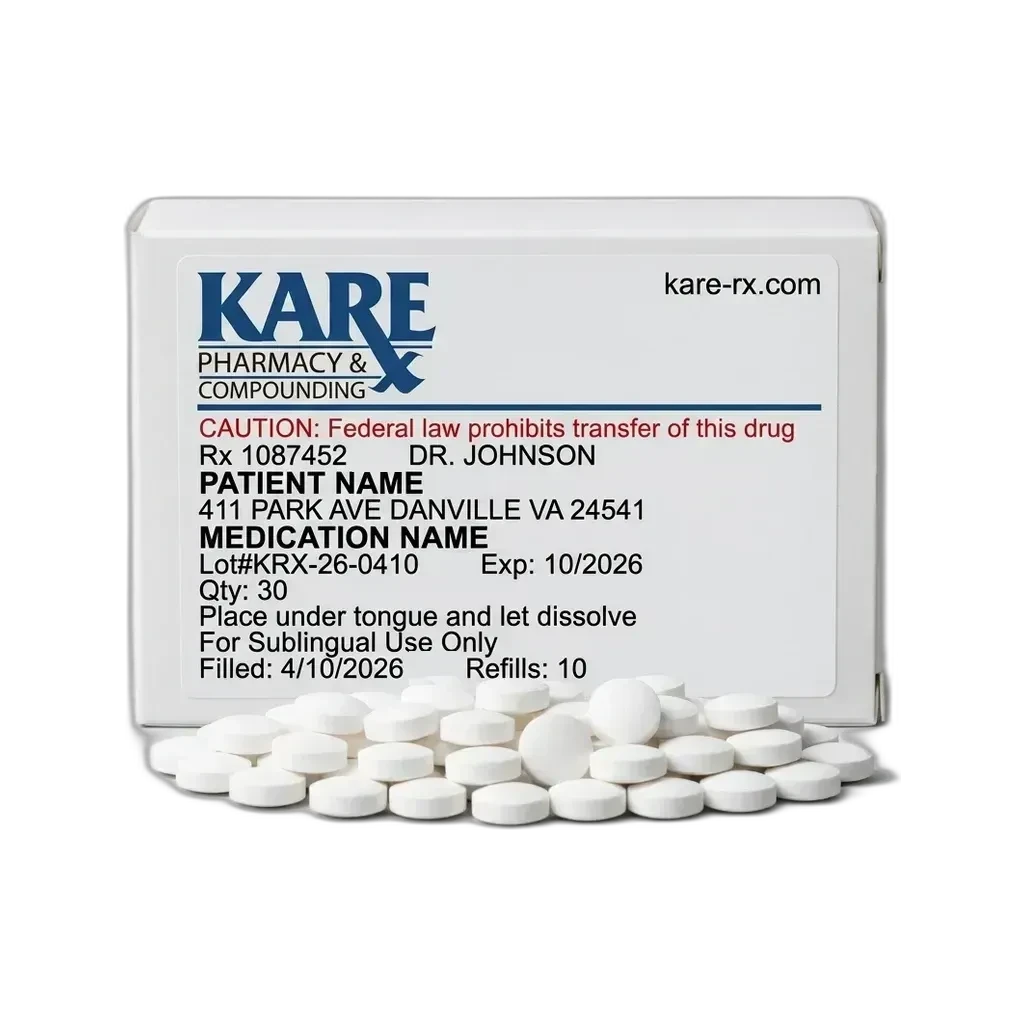
Testosterone Rapid Dissolve Tablet
Testosterone RDT is used to supplement testosterone levels in men who may have low or no testosterone, commonly known as hypogonadism. It helps improve energy, mood, bone density, muscle mass, and sexual function.
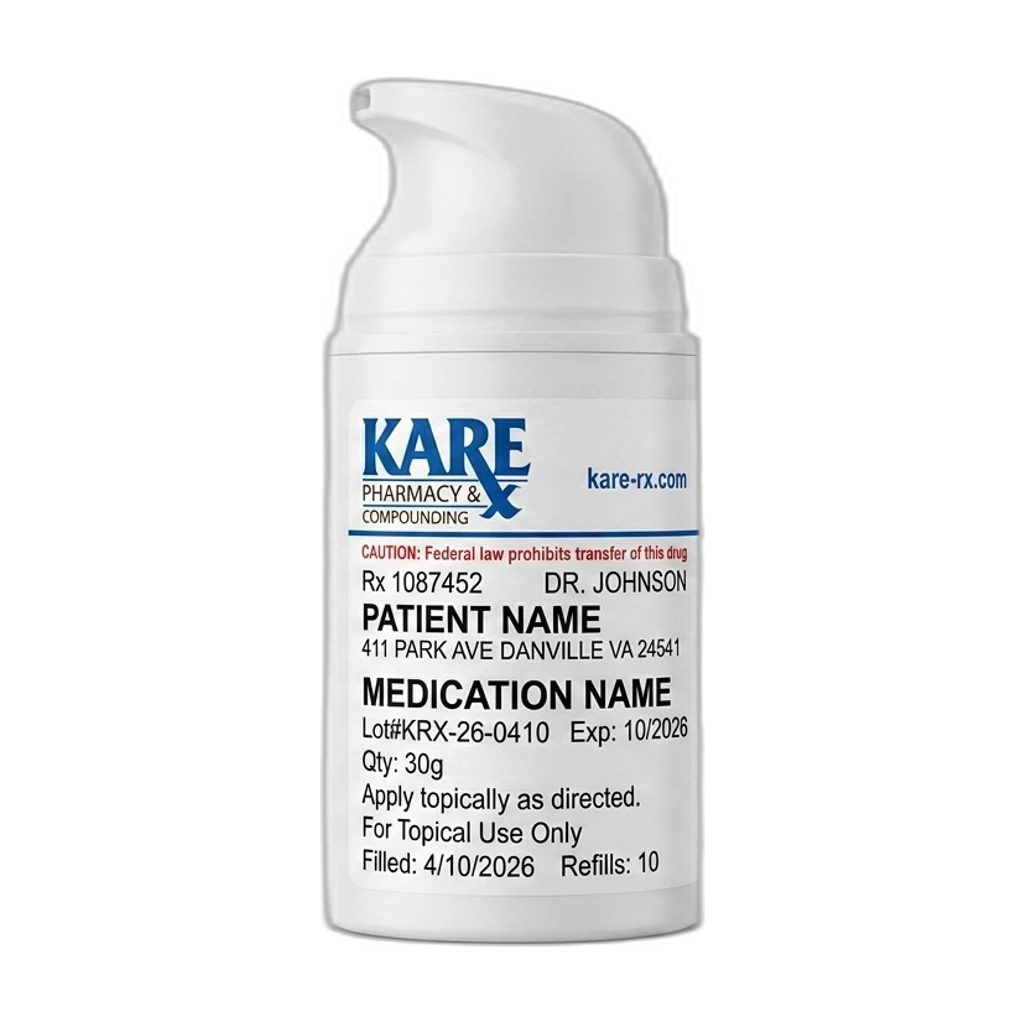
Testosterone Cream
Testosterone Cream is a compounded transdermal hormone replacement therapy designed to raise low testosterone levels in adult males. The cream is applied to clean, dry skin where it is absorbed into the bloodstream. Restoring testosterone may help improve energy, sex drive, mood, muscle mass, and bone density when used under medical supervision. Each prescription is tailored by your healthcare provider to match your specific hormone needs.
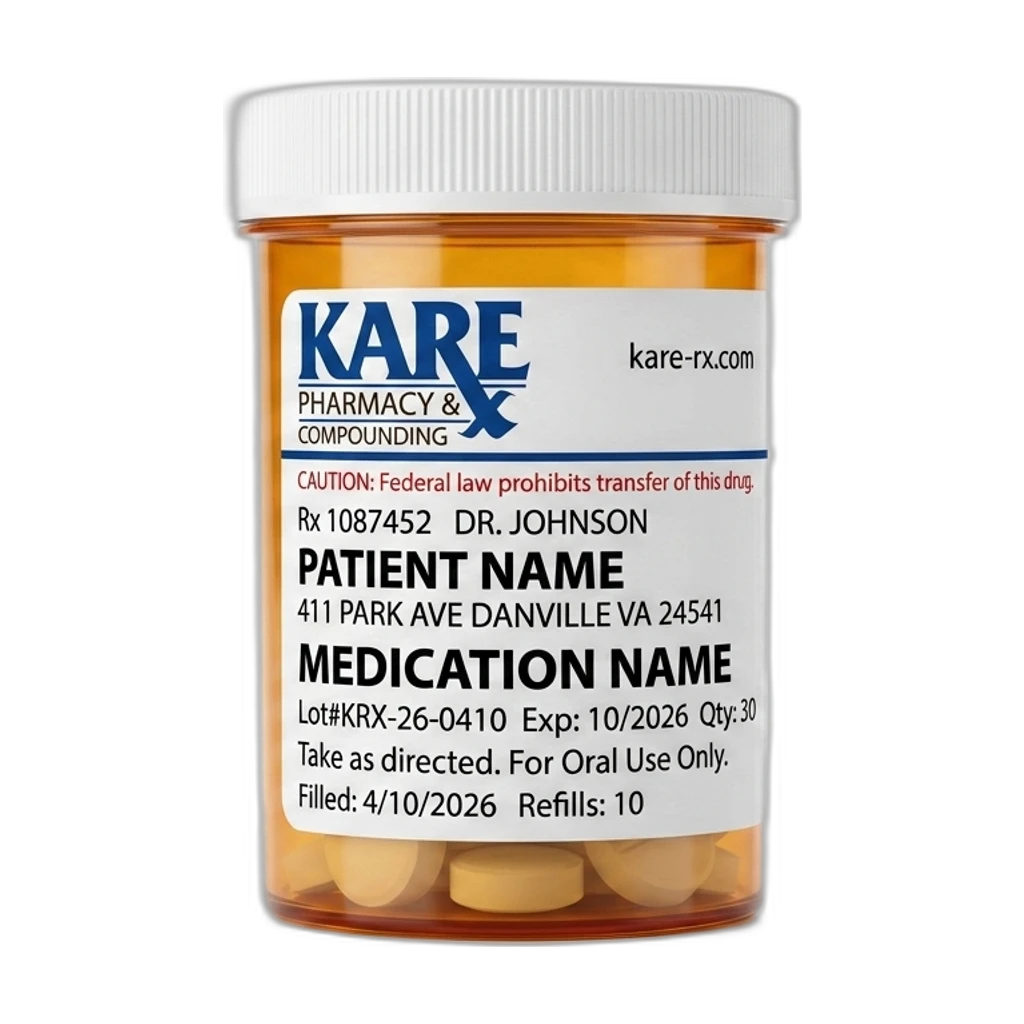
Enclomiphene Citrate
Enclomiphene Citrate is an orally compounded tablet used to raise your body’s own testosterone production. It belongs to a class of medicines called selective estrogen receptor modulators (SERMs). By blocking certain estrogen signals in the brain, it tells your testes to make more testosterone and sperm. This product is compounded per prescription and is not FDA-approved. It is intended for adult men under the care of a licensed healthcare provider.
Vardenafil Tablets
Vardenafil tablets are a prescription medicine used to treat erectile dysfunction (ED) in adult men. ED is when you cannot get or keep an erection firm enough for sexual activity. Vardenafil helps improve blood flow to the penis during sexual stimulation. This medication does not protect against sexually transmitted infections (STIs).