
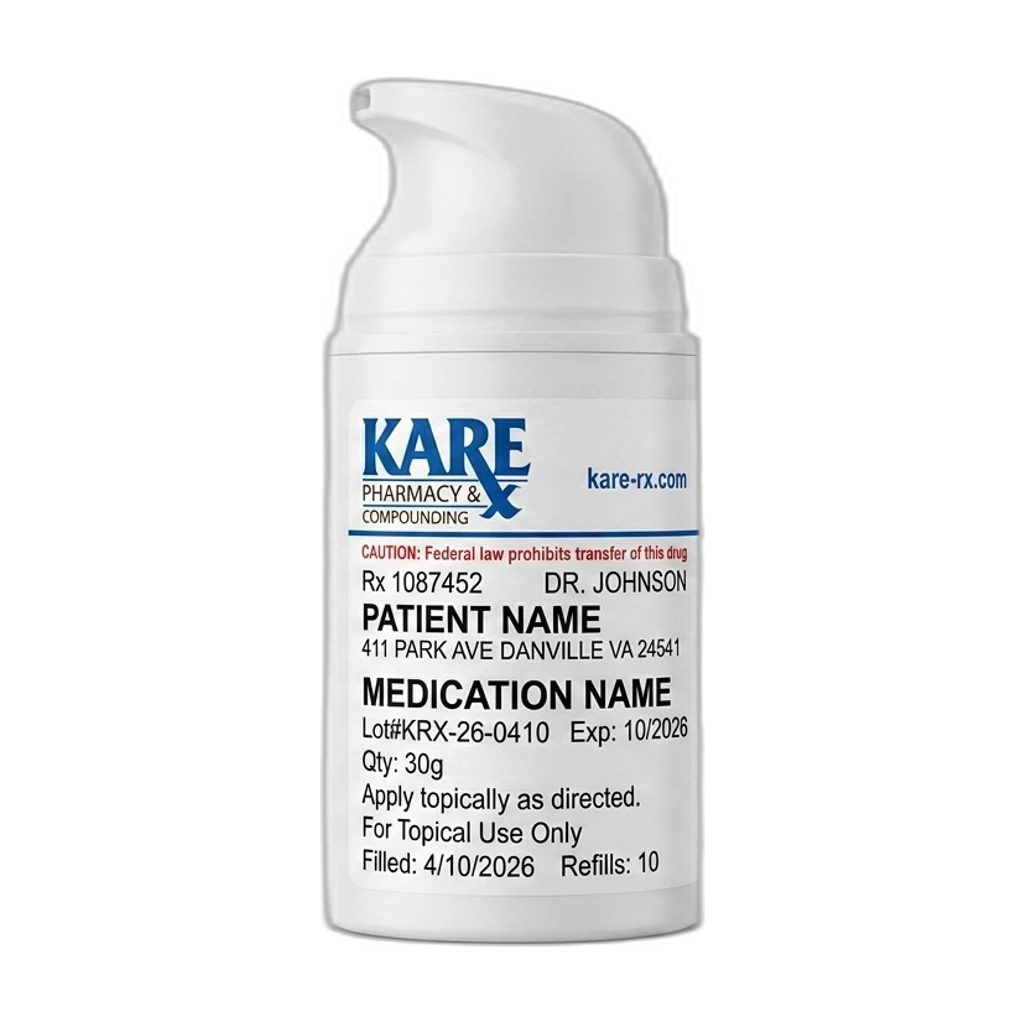
Pricing & Options
Sign in to see instant pricing
Available Strength
Active Ingredients
Important Disclaimer
These statements have not been evaluated by the Food and Drug Administration (FDA). Compounded products are not FDA-approved and are not intended to diagnose, treat, cure, or prevent any disease. Individual results may vary. The information provided is for educational purposes only and should not be considered medical advice. Always consult with your healthcare provider before starting any new treatment.
Clinical Information
Evidence-based details for healthcare providers
Use as directed by your healthcare provider. Apply only to the areas and for the amount of time your provider instructs. Do not use more often, on larger areas, or for longer than directed. Wash your hands after use and avoid getting it in your eyes, mouth, nose, or on broken skin unless your prescriber tells you to. If you miss a dose for a scheduled procedure, contact your provider for instructions; do not “double up.”
This gel contains two numbing medicines (lidocaine and tetracaine) that block pain signals in the skin by temporarily stopping sodium channels in nerve endings from working. When the nerves cannot send signals well, the area feels less pain, burning, or stinging. Epinephrine tightens small blood vessels in the skin (vasoconstriction). This can help keep the numbing medicines in the area longer and may reduce bleeding and redness during a procedure. Many people begin to feel numbing within about 15 to 60 minutes after applying, depending on the area treated and whether it is covered as directed. The numbing effect often lasts for about 1 to 3 hours after the gel is removed, but it can vary.
Do not use if you are allergic to lidocaine, tetracaine, epinephrine, or any “-caine” numbing medicines (local anesthetics), because serious allergic reactions can occur. Do not use on broken, irritated, infected, or burned skin unless your prescriber specifically tells you to, because too much medicine may be absorbed into the body. Do not use on large areas of skin, under tight wraps, or with heat (heating pads, hot towels, hot baths) unless directed, because this can raise absorption and increase risk of serious side effects. Do not use in infants or young children unless specifically prescribed and closely supervised, because they are more sensitive to toxic effects. Talk to your prescriber before use if you have heart rhythm problems, uncontrolled high blood pressure, severe heart disease, overactive thyroid, narrow-angle glaucoma, liver disease, or poor blood flow to the hands/feet, because epinephrine and numbing medicines may worsen these conditions. If you are pregnant, planning pregnancy, or breastfeeding, use only if your prescriber decides the benefits outweigh the risks; do not apply to large areas or for longer than directed.
This medication may interact with other numbing products (lidocaine patches, benzocaine gels/sprays, prilocaine, tetracaine) and raise the risk of toxic effects; avoid using other numbing medicines on the same day unless your prescriber says it is safe (severity: moderate to high). Epinephrine can interact with certain antidepressants, including MAO inhibitors (phenelzine, tranylcypromine, selegiline) and tricyclic antidepressants (amitriptyline, nortriptyline), which may increase blood pressure or fast heartbeat (severity: high; tell your prescriber). Beta-blockers (metoprolol, propranolol) and some blood pressure medicines may change how your heart responds to epinephrine (severity: moderate; monitor for dizziness, slow or fast heartbeat). Medicines that affect heart rhythm (such as amiodarone or sotalol) may increase the chance of rhythm problems when combined with anesthetics (severity: moderate; discuss with your prescriber). Blood thinners and anti-platelet medicines (warfarin, apixaban, clopidogrel, aspirin) may increase bruising or bleeding from procedures even though epinephrine may reduce local bleeding (severity: moderate; do not stop these medicines unless your prescriber tells you). Limit alcohol on the day of use, since it may increase dizziness or lightheadedness (severity: low to moderate). Tell your provider about supplements that can affect bleeding (fish oil, garlic, ginkgo) before procedures (severity: low to moderate).
Common (affects about 1 to 10 in 100 people): temporary skin redness, whitening, swelling, mild burning, itching, or tingling where applied; these usually improve within hours after removal. Uncommon (affects about 1 to 10 in 1,000 people): rash, hives, skin irritation that lasts more than 24 hours, headache, nausea, dizziness, or feeling jittery. Rare but serious: severe allergic reaction (trouble breathing, facial or throat swelling, widespread hives); irregular heartbeat, chest pain, fainting, very high blood pressure, or severe anxiety (more likely if too much is used or if you have heart problems); seizures, confusion, severe drowsiness, ringing in the ears, metallic taste, or numbness around the mouth (possible signs of numbing medicine toxicity); skin blisters or chemical burns, especially with overuse or occlusion. Get emergency help right away for chest pain, trouble breathing, fainting, seizures, or swelling of the face or throat. Contact your prescriber promptly if the treated skin becomes very painful, blistered, or shows signs of infection (increasing redness, warmth, pus, fever).
Store at room temperature (68-77 degrees F / 20-25 degrees C) unless your pharmacy label says otherwise. Keep the gel tightly closed and protect it from heat, freezing, and direct sunlight. Keep away from moisture and do not store in the bathroom. Keep out of reach of children and pets; even small amounts can be dangerous if swallowed. Do not use after the beyond-use date on the label. Dispose of unused or expired gel through a pharmacy take-back program when available; if not available, place the gel in a sealed bag with an unwanted material (like coffee grounds or cat litter) and throw it in the household trash, and remove or cover personal information on the label.
Frequently Asked Questions
How should I apply this gel before my procedure?
Apply it only the way your healthcare provider tells you. Use the smallest amount needed and apply only to the area being treated. Do not cover with plastic wrap or tight bandages unless your provider specifically instructs you to. Wash your hands after applying.
How long does it take to start working and how long will the numbness last?
Many people start to feel numb within about 15 to 60 minutes, but timing can vary by body area and skin thickness. The numb feeling often lasts about 1 to 3 hours after the gel is removed. If you feel little or no numbing, do not reapply without checking with your provider.
Can I use this gel on my face or near my eyes or lips?
Only use it on the areas your provider approved. Avoid getting it in the eyes, inside the nose, or inside the mouth because it can cause injury or serious side effects. If it accidentally gets in your eye, rinse with clean water for at least 15 minutes and seek medical advice right away.
What are signs I used too much or my body absorbed too much?
Stop using it and seek medical help right away if you have severe dizziness, fainting, chest pain, fast or irregular heartbeat, trouble breathing, seizures, confusion, or ringing in the ears. These can be signs of serious side effects. Do not use heat or tight coverings, since that can increase absorption.
Can I use other numbing products at the same time?
Do not combine this gel with other numbing creams, sprays, patches, or dental numbing products unless your prescriber says it is safe. Using more than one numbing product can raise the risk of toxic side effects. Tell your provider about any over-the-counter numbing products you have used recently.
Who should be extra careful with this medication?
Tell your provider if you have heart disease, heart rhythm problems, high blood pressure, overactive thyroid, liver disease, or poor circulation in your hands or feet. Also tell them if you are pregnant, planning pregnancy, or breastfeeding. Children should only use it if it was specifically prescribed and closely supervised.
Will this gel stop all pain during a laser or cosmetic procedure?
It helps reduce pain, but it may not remove all discomfort for every person or every procedure. Some areas of the body are more sensitive than others. Your provider may use other comfort measures if needed.
Can I drink alcohol or caffeine on the day I use it?
Alcohol can increase dizziness, and caffeine may worsen feelings like jitteriness or a fast heartbeat in some people. It is best to limit alcohol and keep caffeine moderate on the day of treatment. Follow any procedure-day instructions from your clinic.
Related Products
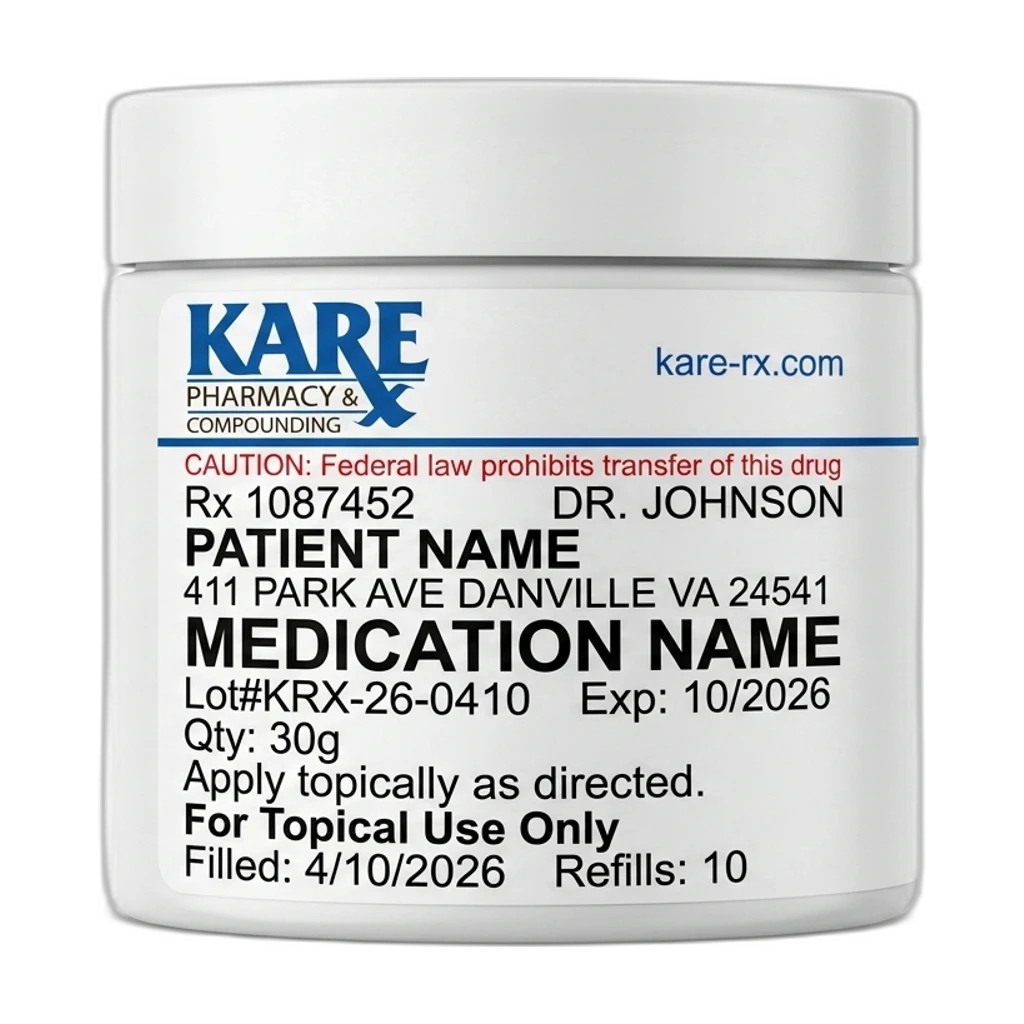
Lidocaine | Tetracaine Ointment
Compounded high-strength topical anesthetic ointment that combines 23% lidocaine and 7% tetracaine in a plasticized base. It is applied to intact skin before dermatology, laser, or minor cosmetic procedures to numb the area and reduce pain.
Lidocaine | Tetracaine | Prilocaine Ointment
This is a high-strength topical anesthetic gel containing lidocaine 23%, tetracaine 7%, and prilocaine 2% in a plasticized base. It is applied to intact skin to numb the area before minor dermatology or cosmetic procedures such as laser treatments, injections, or tattoo removal. The gel helps reduce pain by blocking nerve signals close to the skin surface. It is for professional or supervised home use only and should be used exactly as directed by a healthcare provider.
Benzocaine | Lidocaine | Tetracaine Ointment
This is a compounded topical cream containing benzocaine, lidocaine, and tetracaine used for numbing specific areas of the skin. It may be used to help relieve pain and discomfort from procedures or minor injuries.
Lidocaine | Tetracaine | Phenylephrine Ointment
This compounded plasticized ointment contains lidocaine 23%, tetracaine 7%, and phenylephrine 2%. It is used on intact skin to numb the area before minor dermatology or cosmetic procedures. The lidocaine and tetracaine block pain signals, while phenylephrine tightens blood vessels to reduce redness and bleeding. The plasticized base helps the medication stay in place and work longer.