Pricing & Options
Sign in to see instant pricing
Available Strengths (4)
Active Ingredients
Important Disclaimer
These statements have not been evaluated by the Food and Drug Administration (FDA). Compounded products are not FDA-approved and are not intended to diagnose, treat, cure, or prevent any disease. Individual results may vary. The information provided is for educational purposes only and should not be considered medical advice. Always consult with your healthcare provider before starting any new treatment.
Clinical Information
Evidence-based details for healthcare providers
A valid prescription from a DEA-registered prescriber is required.
Limited to 5 refills within 6 months of the original prescription date.
Subject to state and federal controlled substance regulations.
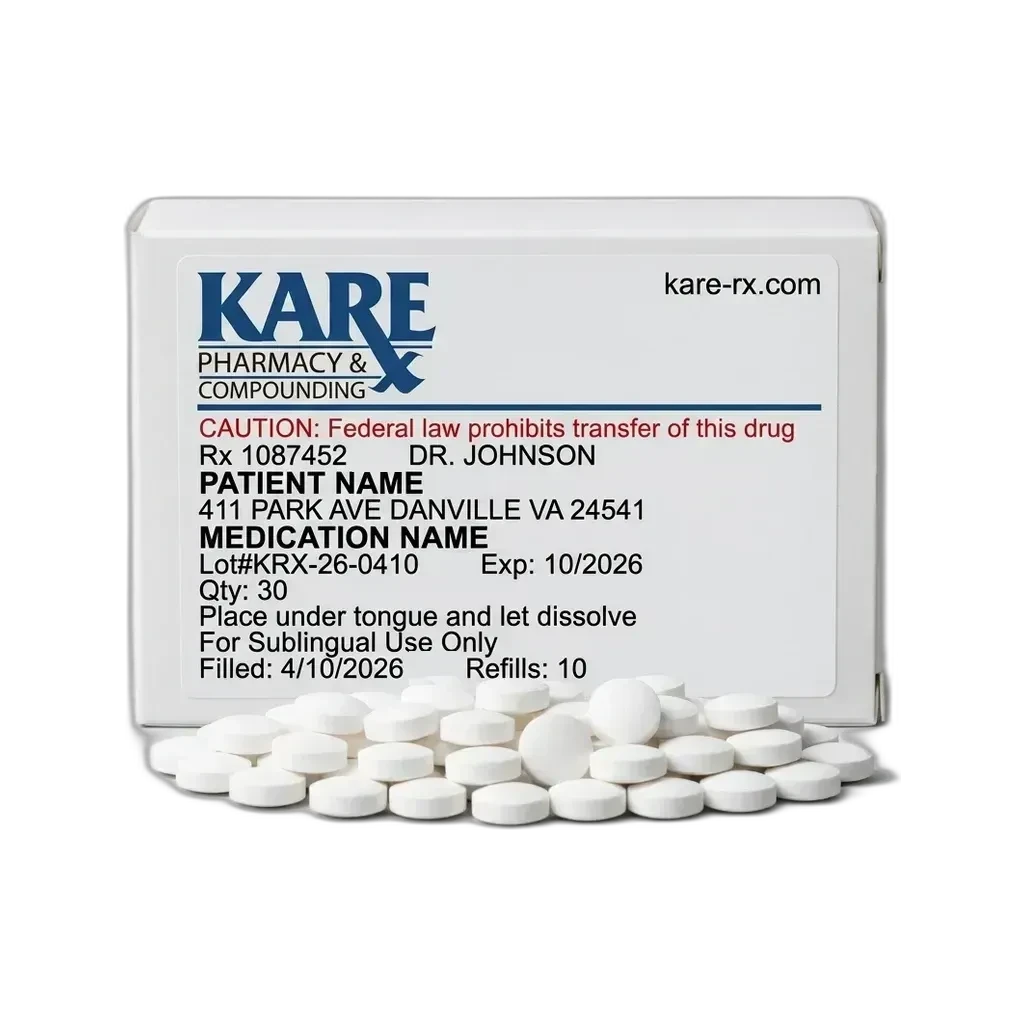
Use as directed by your healthcare provider. Place the tablet under your tongue and allow it to fully dissolve; do not chew or swallow whole. If you miss a dose, take it as soon as you remember unless it is almost time for your next dose. Do not take two doses at the same time.
Ketamine blocks NMDA receptors in your brain and spinal cord. These receptors normally pass pain and mood signals. By blocking them, ketamine can lower pain and change how the brain handles certain thoughts and feelings. You may begin to feel effects within 15–30 minutes of letting the tablet dissolve. Pain relief or mood changes can last a few hours, but overall benefits often build up over several doses as directed by your provider.
Do not use if you are allergic to ketamine or any tablet ingredients. Do not use if you are pregnant, planning to become pregnant, or breastfeeding (ketamine may harm a baby). Do not use if you have uncontrolled high blood pressure, serious heart disease, stroke history, severe liver disease, untreated thyroid problems, or eye pressure disorders like glaucoma. Avoid if you have a current psychosis, uncontrolled bipolar disorder, or severe substance use disorder. Not for children under 18 unless a specialist prescribes and monitors.
Ketamine may increase side effects of other medicines that slow the brain, such as opioids (OxyContin), benzodiazepines (Xanax, Valium), sleep aids (Ambien), and alcohol—this can cause dangerous drowsiness or breathing problems. Combining with stimulants or decongestants can raise blood pressure. Certain antidepressants (MAOIs like Nardil) and antipsychotics may change ketamine’s effects and raise seizure risk. Tell your provider about herbal products like St. John’s Wort or kava, which can add to dizziness. Always provide a full medication list before starting treatment.
Very common (more than 1 in 10 people): dizziness, feeling spaced out, nausea, numb tongue, mild rise in blood pressure—these usually fade within an hour. Common (1–10 in 100 people): blurred vision, anxiety, vivid dreams, sweating, fast heart rate. Uncommon (1–10 in 1,000 people): vomiting, headache, mood swings the next day, bladder discomfort. Rare but serious: severe confusion, hallucinations that do not stop, chest pain, severe high blood pressure, trouble breathing, allergic reaction (rash, swelling of face or throat). Call 911 for severe reactions. Most mild effects resolve within a few hours; tell your provider if they last or worry you.
Store at room temperature (68–77°F, 20–25°C) in a dry place away from light. Keep tablets in the original tightly closed bottle and avoid moisture (do not store in bathroom). Keep out of reach of children and pets; ketamine is a controlled substance. Do not use past the labeled expiration date. Return unused or expired tablets to a pharmacy take-back program or follow local guidelines—do not flush down the toilet unless instructed.
Frequently Asked Questions
How do I take a rapid dissolve ketamine tablet?
Place one tablet under your tongue and let it fully melt. Do not chew, swallow whole, or drink right away. Wait at least 5 minutes before eating or drinking so the medicine can absorb.
When will I start to feel the effects?
Most people notice an effect within 15–30 minutes. Full benefits, such as lower pain levels or mood improvement, may take several doses over days or weeks as your provider adjusts your plan.
Can I drive after taking ketamine?
No. Ketamine can slow reaction time and cause dizziness or blurred vision. Do not drive, use heavy machinery, or do tasks needing clear focus for at least 24 hours or until your provider says it is safe.
What should I do if I feel very strange or anxious after using the tablet?
Sit or lie down in a safe place and breathe slowly. Ask someone to stay with you. If severe confusion, hallucinations, chest pain, or trouble breathing occur, call 911 right away.
Is it okay to drink alcohol while on ketamine therapy?
No. Alcohol adds to ketamine’s drowsiness and can lead to dangerous breathing problems and fainting. Avoid alcohol and talk to your provider if you need help cutting back.
How should I store and protect my tablets from others?
Keep the bottle locked in a cabinet out of sight. Count your tablets regularly. Never share ketamine with anyone else—it is against the law and can be harmful.
What happens if I miss a dose?
Take the missed dose as soon as you remember unless it is almost time for your next scheduled dose. Never double up. If you are unsure, skip the missed dose and call your provider for guidance.
Can these tablets be used in children or teens?
Ketamine is not routinely used in people under 18 outside of a hospital setting. A specialist must decide if the benefits outweigh the risks and will provide close monitoring.
Related Products
Ketamine Nasal Spray
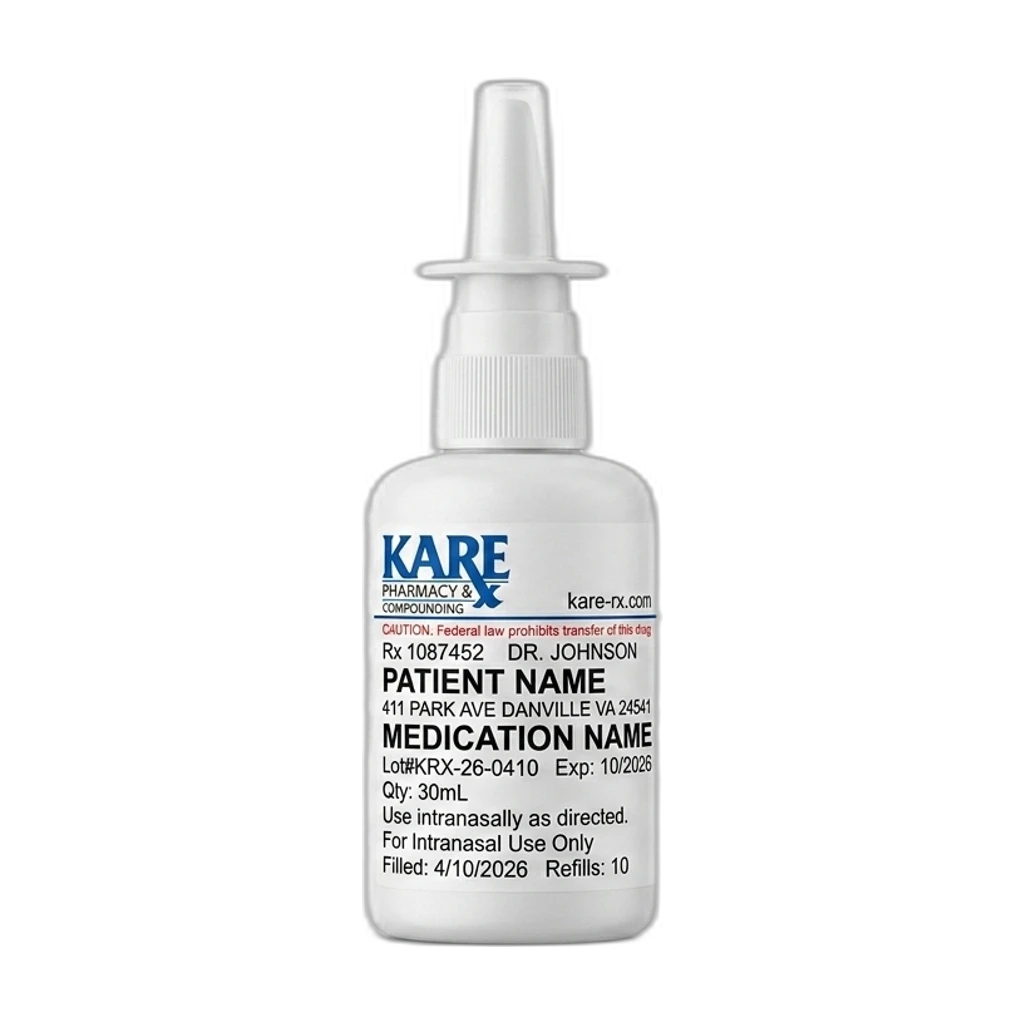
Ketamine Nasal Spray is a compounded prescription medicine prepared by a licensed pharmacy. It delivers ketamine through the nasal passages under the direction of your healthcare provider. Ketamine is an NMDA-receptor blocker first approved for anesthesia. When prescribed, it may help manage certain pain or mood conditions. This compounded product has not been reviewed by the FDA for safety or effectiveness, but it is made under USP <795> standards and state Board of Pharmacy rules.
Nifedipine | Lidocaine | Hydrocortisone Cream
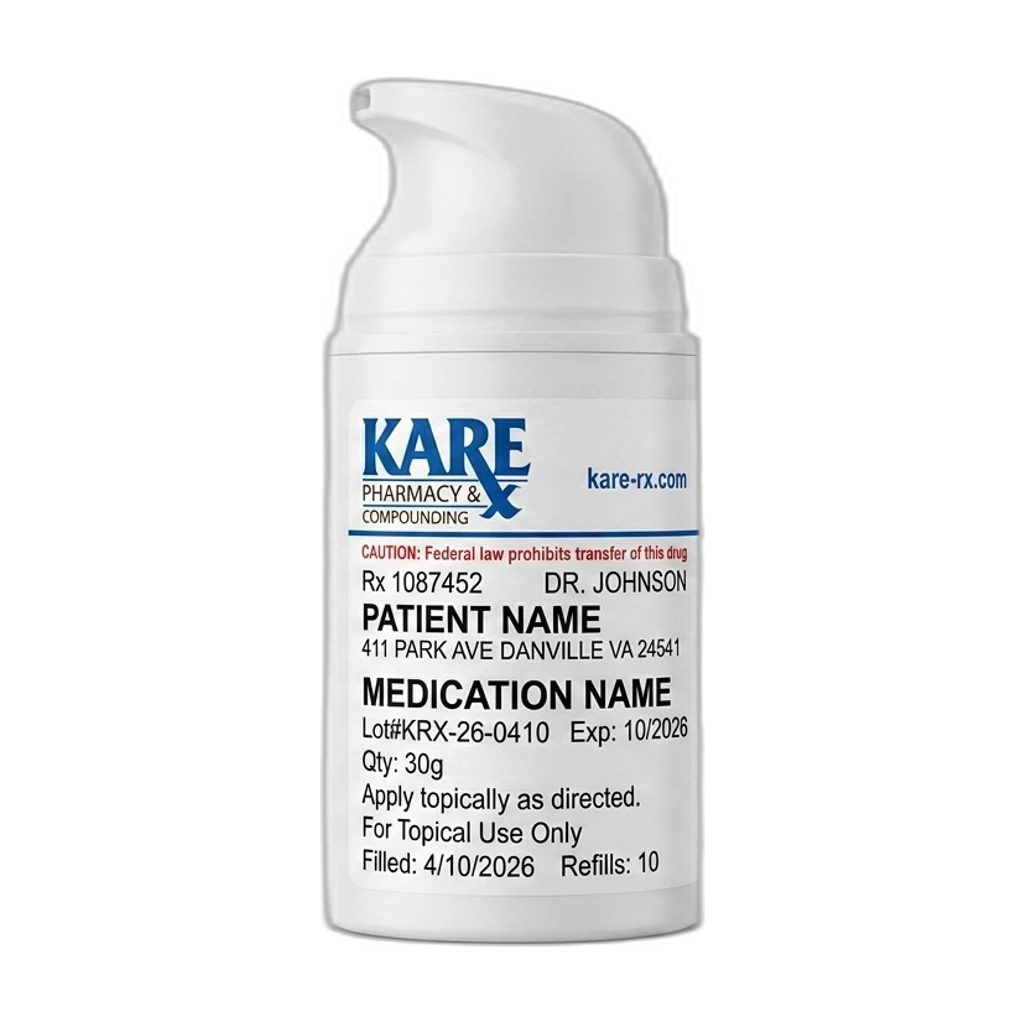
This compounded rectal cream combines nifedipine, lidocaine, and hydrocortisone to ease pain, itch, and swelling caused by anal fissures or hemorrhoids. Nifedipine relaxes the tight muscles around the anus to improve blood flow and speed healing. Lidocaine numbs the area for quick pain relief. Hydrocortisone lessens redness, swelling, and itching.
Piroxicam, Ketoprofen and Lidocaine Cream
Piroxicam, ketoprofen, and lidocaine cream is a compounded prescription that may be considered for pain in a limited area. It combines two nonsteroidal anti-inflammatory drugs with a local anesthetic. Your prescriber should assess the source of pain and review other pain medicines before use. Research on compounded pain creams is limited, and skin application does not remove the risks associated with the ingredients. The cream belongs in an individual treatment plan with clear instructions about the area to treat and the length of use.
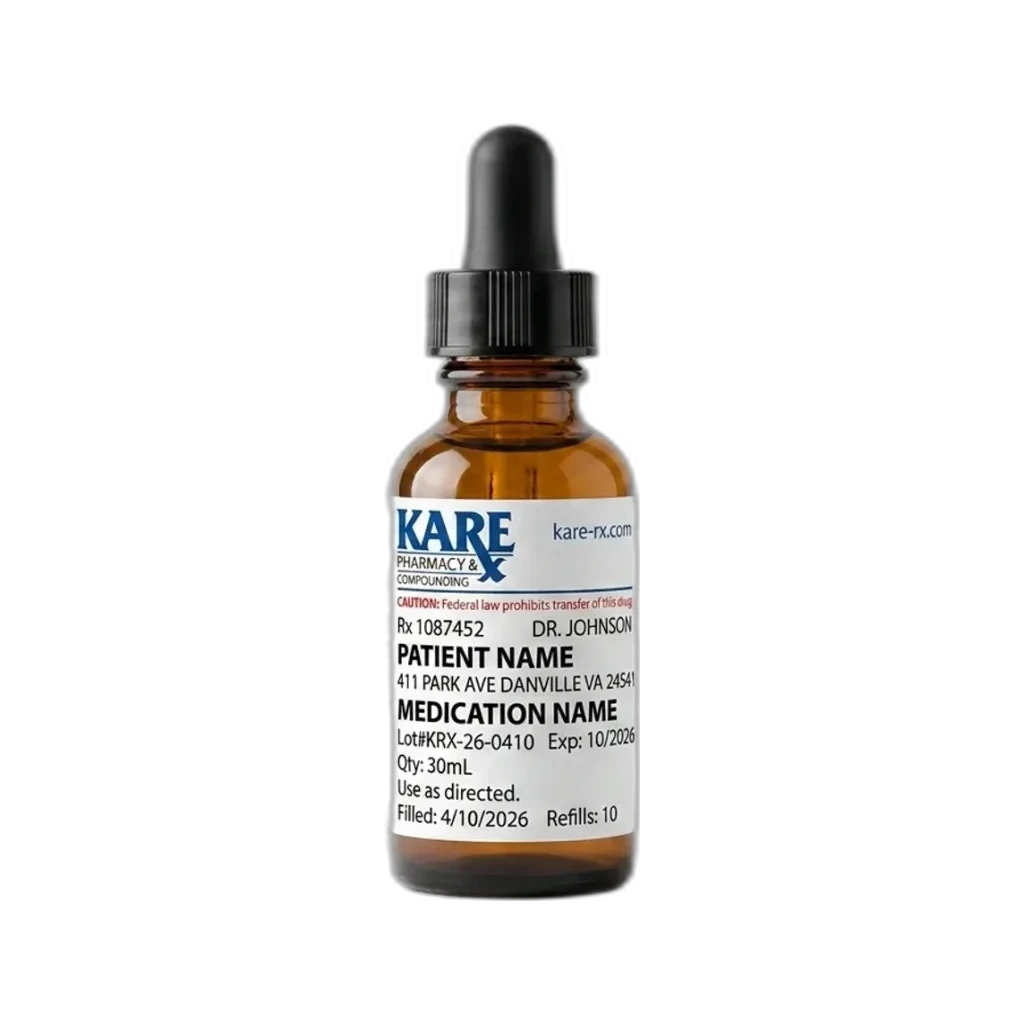
Lidocaine | Tetracaine Spray
Topical anesthetic spray compounded with lidocaine and tetracaine to help numb the skin before certain minor procedures. This product is used on intact skin only and should be used exactly as directed by a licensed healthcare provider. It may help reduce pain from needle sticks, laser procedures, or other office-based skin treatments. This is a compounded preparation and has not been reviewed by the FDA for safety, effectiveness, or quality in the same way as an FDA-approved drug product.