
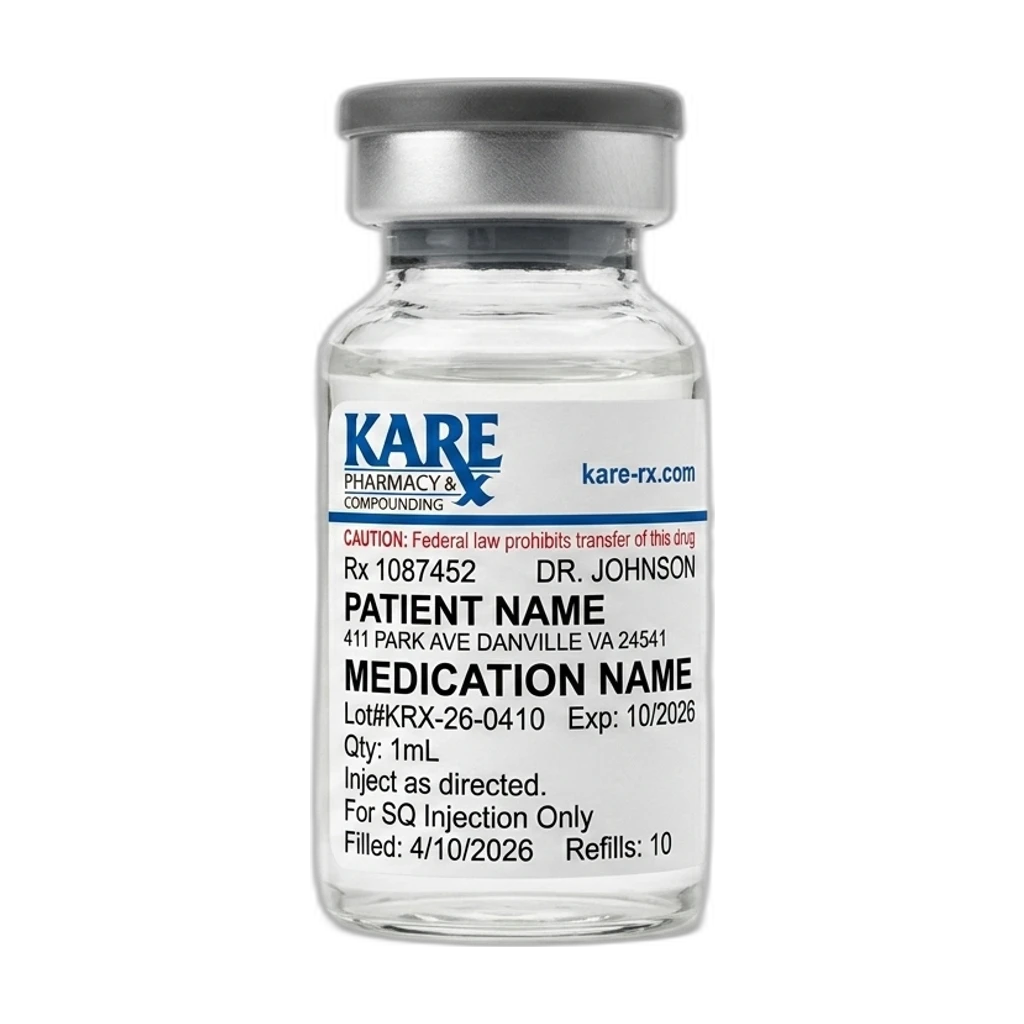
Pricing & Options
Sign in to see instant pricing
Available Strength
Active Ingredients
Important Disclaimer
These statements have not been evaluated by the Food and Drug Administration (FDA). Compounded products are not FDA-approved and are not intended to diagnose, treat, cure, or prevent any disease. Individual results may vary. The information provided is for educational purposes only and should not be considered medical advice. Always consult with your healthcare provider before starting any new treatment.
Clinical Information
Evidence-based details for healthcare providers
Use as directed by your healthcare provider. If you miss a dose, take it as soon as you remember unless it is almost time for your next dose. Do not take two doses at the same time. Your healthcare provider will choose the dose, injection site, and how long you should use this medication.
Biotin is a coenzyme for several carboxylase enzymes that help break down fats, proteins, and carbohydrates. By supporting these pathways, biotin helps your body make keratin, the main protein in hair and nails. Some people notice stronger nails and less hair shedding after 4–8 weeks, but full benefits may take 3 months or longer. Because biotin is water-soluble, extra amounts are removed in urine within a few hours, so consistent dosing is important.
Do not use if you are allergic to biotin or any component of this product (can cause rash, itching, or swelling). Do not use without medical supervision if you have severe kidney disease, are on dialysis, or receive other injectable vitamin products that already contain biotin (risk of overdose). Tell your provider if you are pregnant or breastfeeding; usual dietary doses are safe, but high injectable doses should be used only if clearly needed.
High-dose biotin can interfere with many laboratory blood tests, including thyroid panels, hormone levels, and heart attack markers like troponin. Always tell lab personnel you are taking biotin. Antiseizure medicines such as carbamazepine, phenobarbital, and phenytoin can lower biotin levels, which may change how much you need. Long-term antibiotics may reduce biotin-producing gut bacteria. No known food interactions, but limit mega-dose multivitamins that already contain biotin to avoid excess.
Biotin is generally well tolerated. Common side effects (affect up to 1 in 20 people): mild nausea, stomach upset, or loose stools; these usually improve within a few days. Less common (1–10 in 1,000 people): skin rash, acne flare, or injection-site redness and soreness; rotate sites to reduce irritation. Rare but serious: allergic reaction with hives, breathing trouble, or facial swelling—seek emergency help right away. Report any persistent side effects to your healthcare provider.
Store in the original vial at room temperature 68-77°F (20-25°C). Keep away from direct sunlight, heat, and moisture. Do not freeze. Once the rubber stopper is punctured, use within 28 days and discard any leftover solution. Keep out of reach of children. Dispose of unused or expired medication through a pharmacy take-back program or mix with an unappealing substance like coffee grounds, seal in a plastic bag, and place in household trash if no program is available.
Frequently Asked Questions
How often will I need to take biotin injections?
Your provider will set a schedule based on your needs. Many people receive the injection once or twice a week, but your plan could be different. Follow the schedule exactly for best results.
When will I see improvement in my hair or nails?
Most users notice stronger nails and less shedding after 4–8 weeks. Because hair grows slowly, fuller results may take 3–6 months. Keep taking the injections as directed and be patient.
Can biotin injections affect my blood tests?
Yes. High levels of biotin can make some lab results look abnormally high or low, especially thyroid and heart tests. Tell your doctor and the lab staff that you are using biotin at least 3 days before any blood draw.
Is it safe to take oral biotin supplements at the same time?
Do not add extra oral biotin unless your provider tells you to. Taking multiple sources of biotin can push your levels too high and further disturb lab tests.
What should I do if the injection site is red or sore?
Mild redness or tenderness is common and should fade in a day. Apply a cool compress and keep the area clean. If swelling, severe pain, or pus develops, contact your healthcare provider right away.
Can I drink alcohol while using this product?
Light to moderate alcohol use is not known to interact with biotin, but heavy drinking can lower vitamin levels and reduce benefits. If you choose to drink, do so in moderation.
Related Products
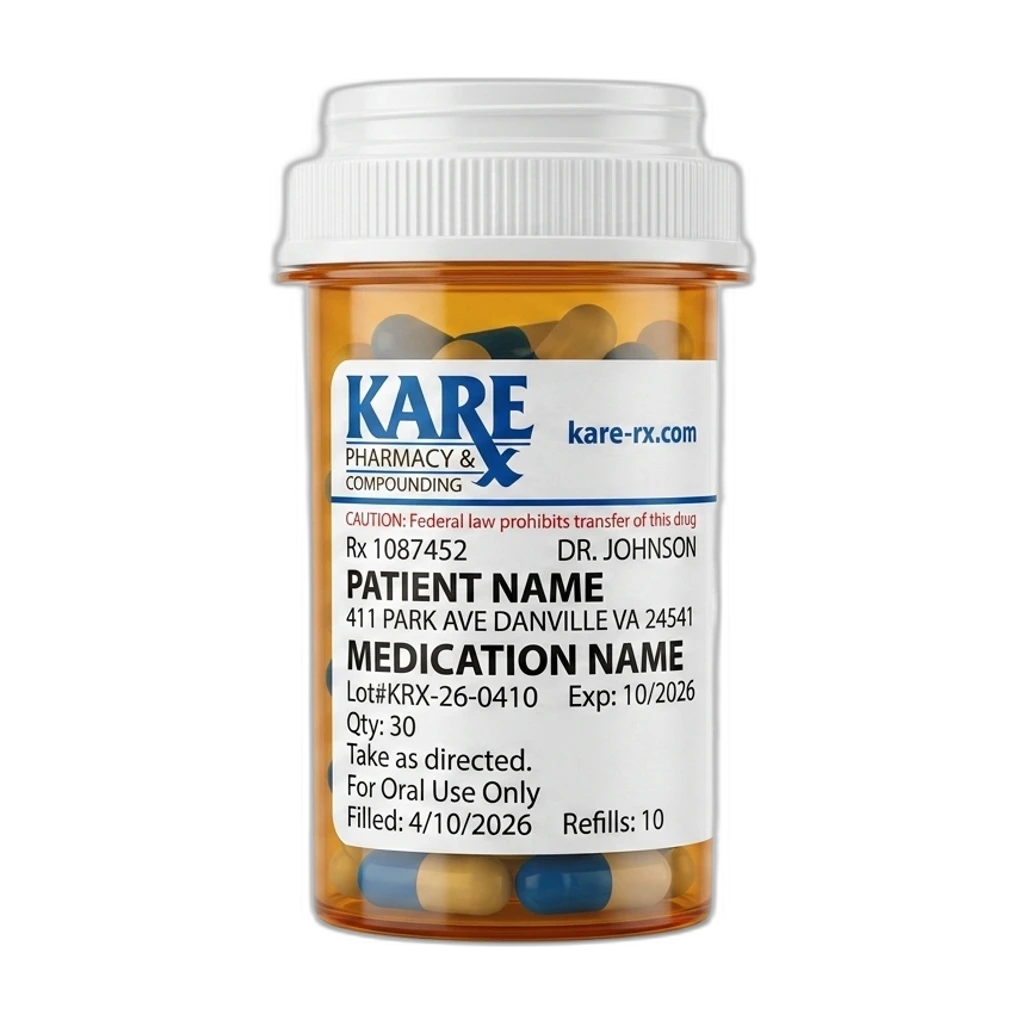
Biotin | Minoxidil Capsules
This oral capsule combines biotin, a B-vitamin that supports healthy hair, skin, and nails, with minoxidil, a medication that improves blood flow to hair follicles. The blend is designed to help reduce hair thinning and promote thicker, stronger strands when taken as part of a complete hair-care plan prescribed by your healthcare provider.
Biotin | Minoxidil | Spironolactone Capsule
This compounded oral capsule combines biotin, minoxidil, and spironolactone to help reduce hair thinning and support new hair growth. Biotin supports strong hair structure, minoxidil increases blood flow to hair roots, and spironolactone lowers the effect of hormones that shrink follicles. Your healthcare provider may choose this option when topical treatments are not enough or not tolerated.
B-Complex Injection
B-Complex Injection is a sterile blend of key B-vitamins compounded for intramuscular use. It is designed to help correct or prevent vitamin B deficiencies that may affect energy levels, nerve health, and red blood cell production.
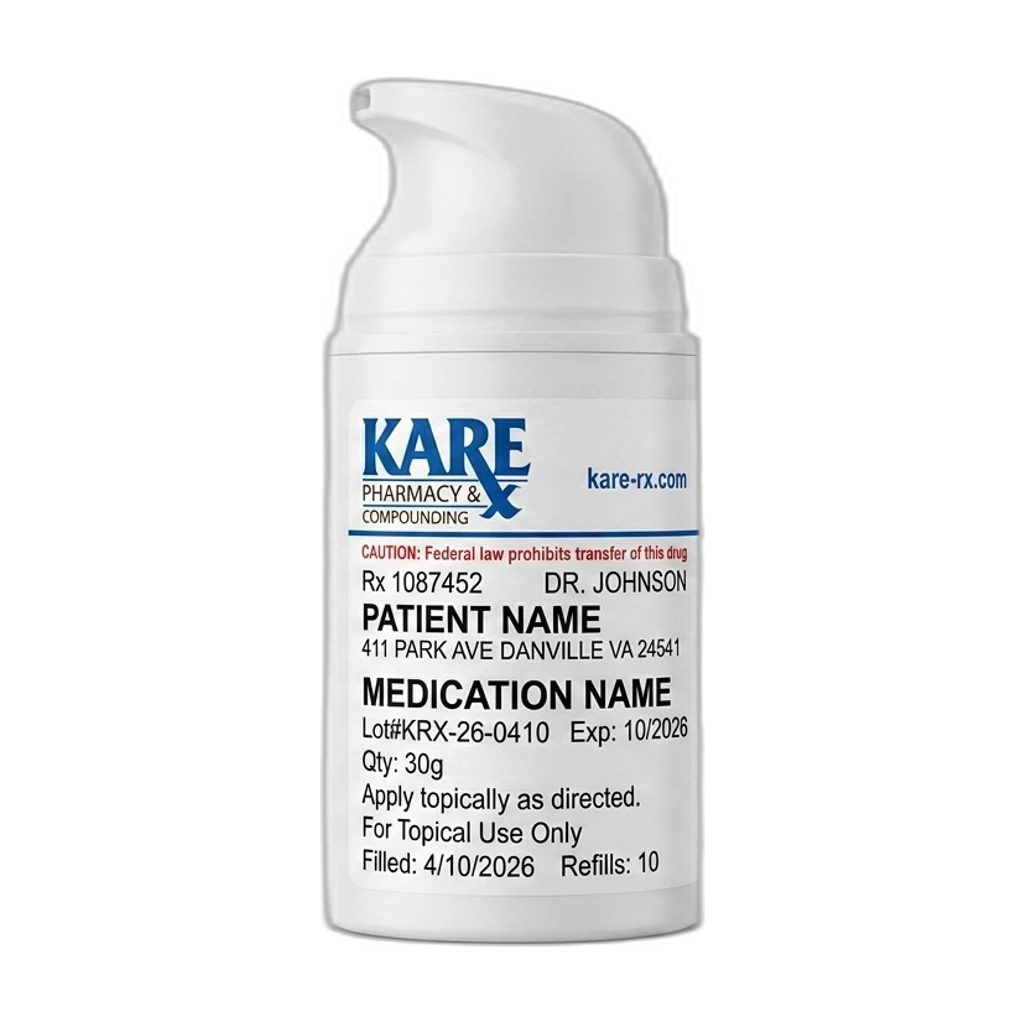
Tretinoin | Niacinamide | Hyaluronic Acid Cream
Plump Max is a high-strength topical cream that targets fine lines, uneven tone, and loss of firmness. It blends tretinoin 0.1% to speed up skin cell turnover, niacinamide 4% to calm redness and balance oil, and hyaluronic acid 0.5% to draw in water and visibly plump the skin. The formula is dispensed in an air-tight pump to protect the ingredients and keep dosing consistent.